Carlos César
Corporate Commercial Manager

Client: Brazilian Nickel Plc
Piauí, Brazil
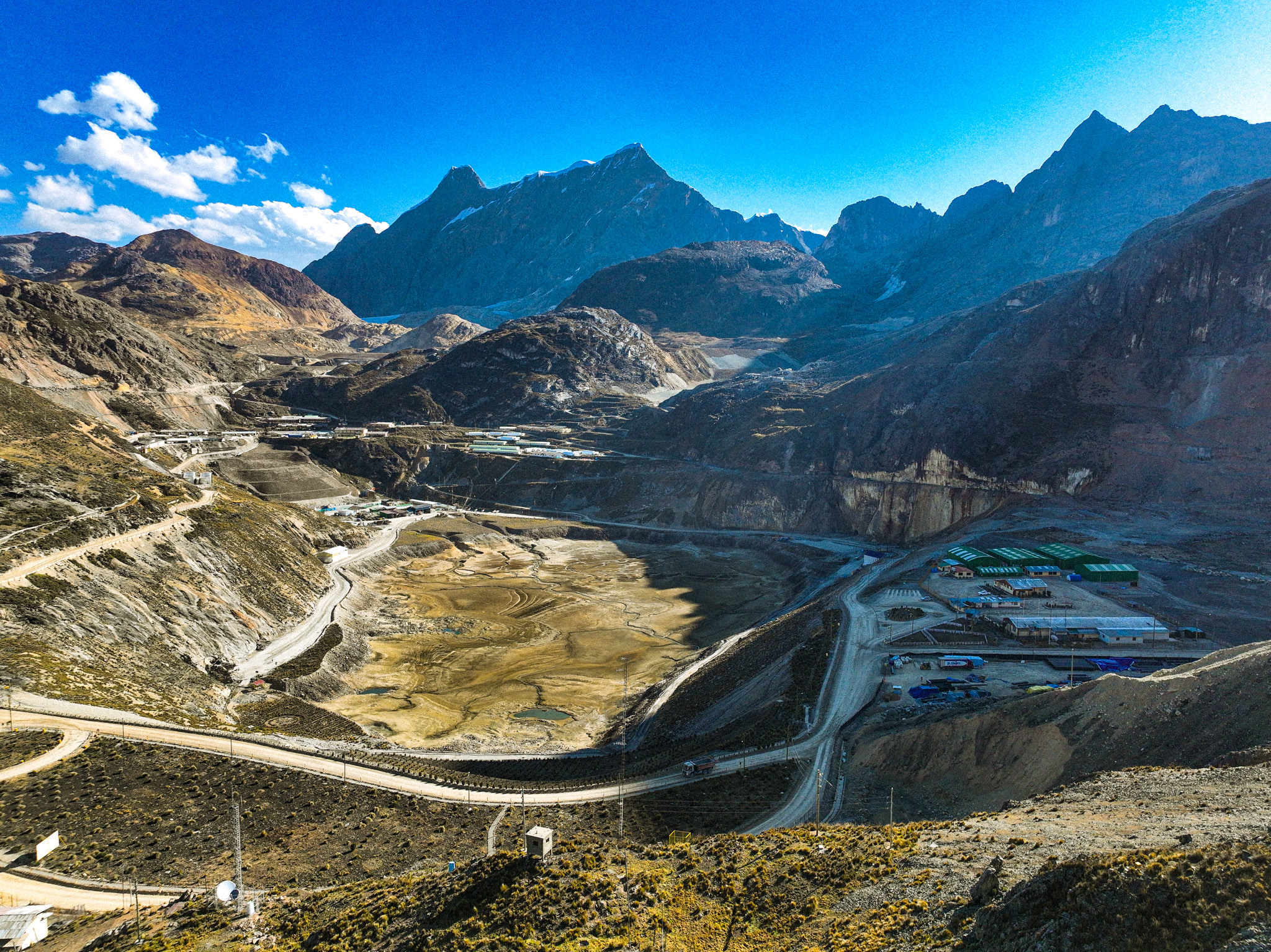
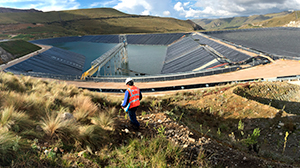
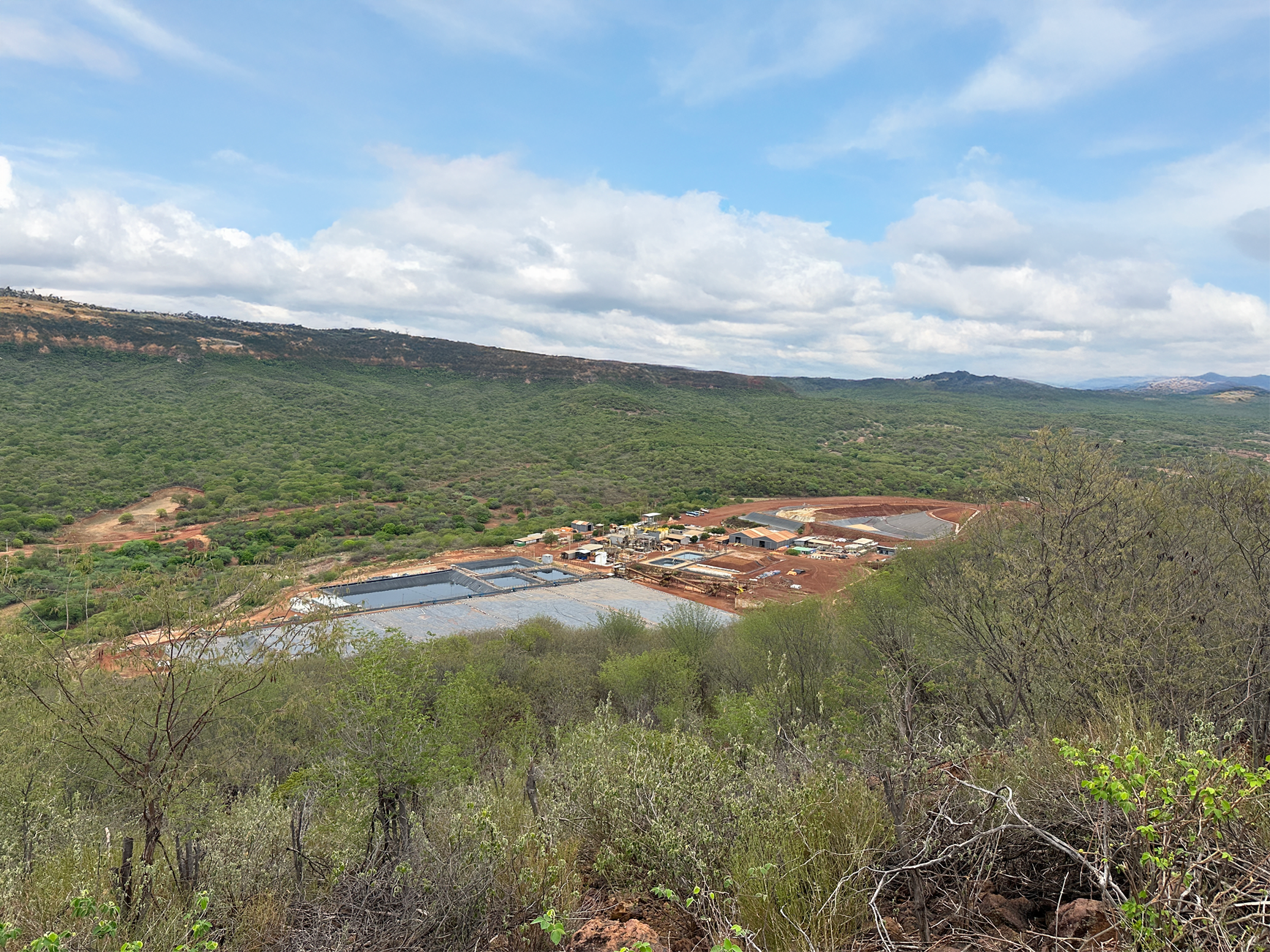
The Piauí Nickel Project, developed by Brazilian Nickel, is located in the municipality of Capitão Gervásio de Oliveira, in the state of Piauí, northeastern Brazil. The project represents a significant milestone in nickel mining, driven by the implementation of a large-scale dynamic heap leaching system.
The design of the dynamic heap leach facility and associated waste storage systems—including leached ore and process precipitates generated during nickel production—presented substantial geotechnical and operational challenges, including:
Optimization of earthworks in the dynamic leach pad design to reduce capital expenditures (Capex).
Evaluation of alternative strategies for blending tailings and process residues with mine waste to achieve a stable, engineered waste mass.
Definition of the final configuration for integrated storage of waste rock and tailings within the deposit footprint.
Water management under short-duration but high-intensity seasonal rainfall conditions.
To address these challenges, Anddes implemented a specialized geotechnical strategy supported by a comprehensive field and laboratory investigation program. Key elements included:
An extensive geotechnical testing program to characterize the physical and mechanical properties of ore, mine waste, leached material, and process residues.
Optimization of blending ratios between waste materials, leached ore, and mine waste to enhance deposit stability.
Evaluation of multiple deposit configurations to ensure long-term geotechnical performance.
Design of robust and efficient stormwater management systems tailored to local climatic conditions.
The implementation of these solutions delivered the following outcomes:
An optimized dynamic stacking configuration, resulting in significant reductions in earthmoving volumes and associated Capex.
Improved waste storage design, ensuring deposit stability and supporting the long-term sustainability and continuity of operations.
Reduced environmental footprint through the application of safe and efficient disposal methodologies.
Enhanced long-term operational safety, with infrastructure designed to mitigate geotechnical risks.