Bruno Espinace
General Manager GA Consultores

Client: Antofagasta Minerals S.A.
Coquimbo, Chile
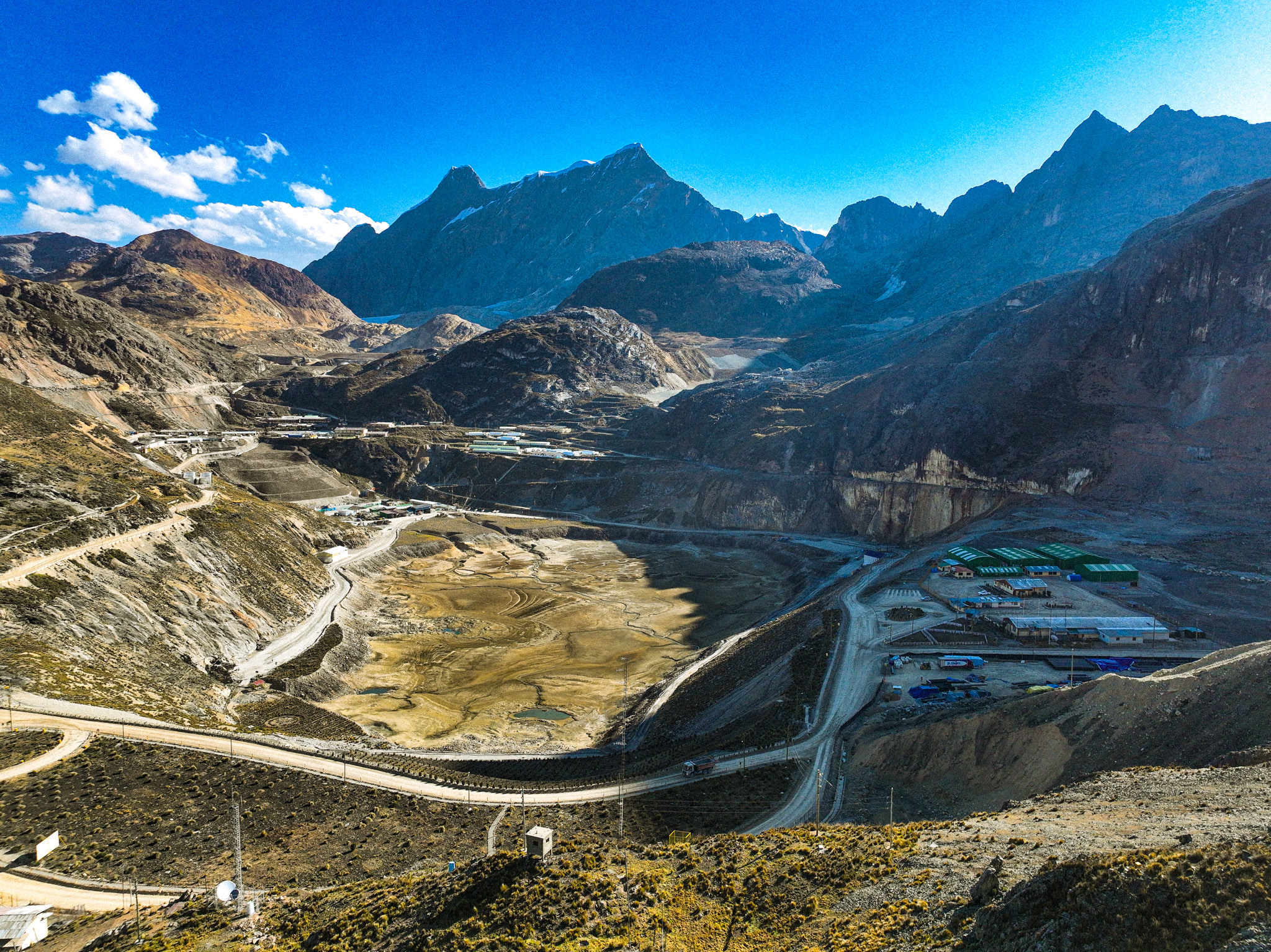
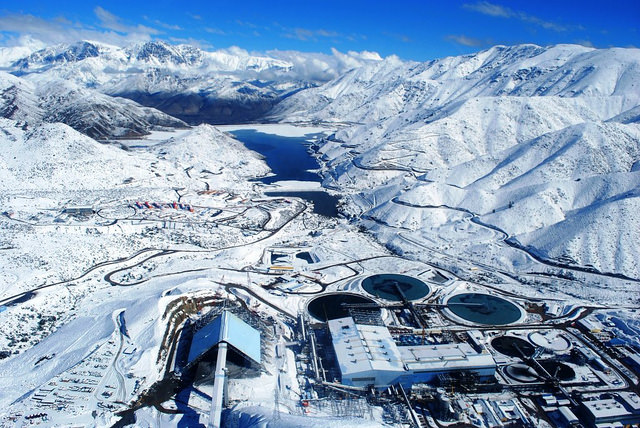
The El Mauro and Los Quillayes Tailings Storage Facilities (TSFs) form a critical part of the tailings management system of one of Chile’s most significant mining operations.
The El Mauro TSF, located in the Los Vilos District, Coquimbo Region, is one of the largest tailings dams in South America, with a storage capacity exceeding 1.7 billion metric tons. It was constructed to replace the Los Quillayes TSF, which operated for more than two decades and is currently in the closure and post-closure phases.
The project involved a series of multidisciplinary challenges related to structural integrity, environmental performance, and governance:
Consolidating more than two decades of technical and operational data into an integrated knowledge management system.
Updating design criteria to account for climate change scenarios and extreme precipitation events.
Ensuring the geotechnical and structural stability of both facilities during operational and post-operational phases.
Establishing robust contingency protocols for potential failure modes, including overtopping, seepage, and internal erosion (piping).
Aligning technical and management processes with the requirements of the Global Industry Standard on Tailings Management (GISTM).
Demonstrating technical and documentary compliance during audits, independent reviews, and regulatory inspections.
A comprehensive, risk-based approach was implemented, centered on continuous improvement, transparency, and operational resilience.
Comprehensive condition assessment of both facilities, including stability analyses and flood routing modeling.
Implementation of the Bow Tie methodology to identify critical risks, root causes, potential consequences, and preventive and mitigative controls.
Update of the Design Basis Report (DBR) in accordance with GISTM principles, incorporating hydrological, geotechnical, and structural evaluations.
Development and update of Local Emergency Preparedness and Response Plans (EPRPs), including defined evacuation routes, assigned operational responsibilities, and communication protocols.
Definition and implementation of Trigger Action Response Plans (TARPs) with objective, measurable activation thresholds.
Strengthening of environmental monitoring systems (surface water, groundwater, and air quality) and geotechnical instrumentation to ensure traceability and real-time data reliability.
Alignment of operational practices with GISTM and applicable Chilean regulatory requirements.
Promotion of a proactive risk culture focused on prevention and early intervention.
Transparent communication with communities, independent reviewers, and regulatory authorities to reinforce institutional trust.
Updated Design Basis fully aligned with GISTM standards.
Implemented Emergency Preparedness and Response Plans with clearly defined communication and evacuation protocols.
Integration of Bow Tie risk diagrams into day-to-day operational risk management.
Enhanced environmental and geotechnical monitoring systems ensuring continuous data acquisition and reporting.
Verified structural stability under both operational and extreme loading conditions.
Strengthened tailings governance framework, increasing resilience under climate change scenarios.
Improved cross-functional coordination and institutional response capacity.
Reinforced stakeholder confidence through transparent, technically robust documentation and reporting.