Bruno Espinace
General Manager GA Consultores

Client: Minera Centinela S.A.
Antofagasta, Chile
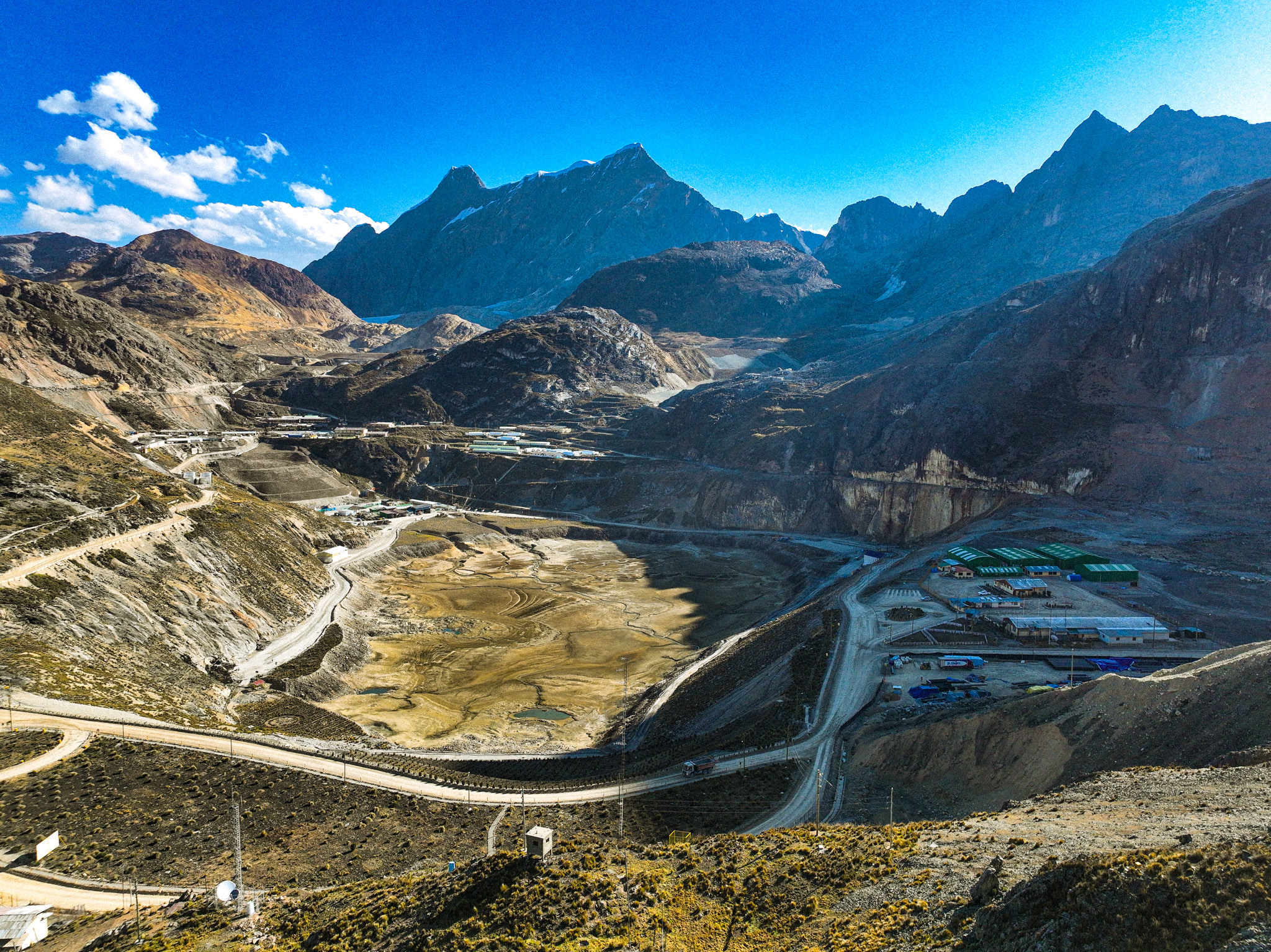
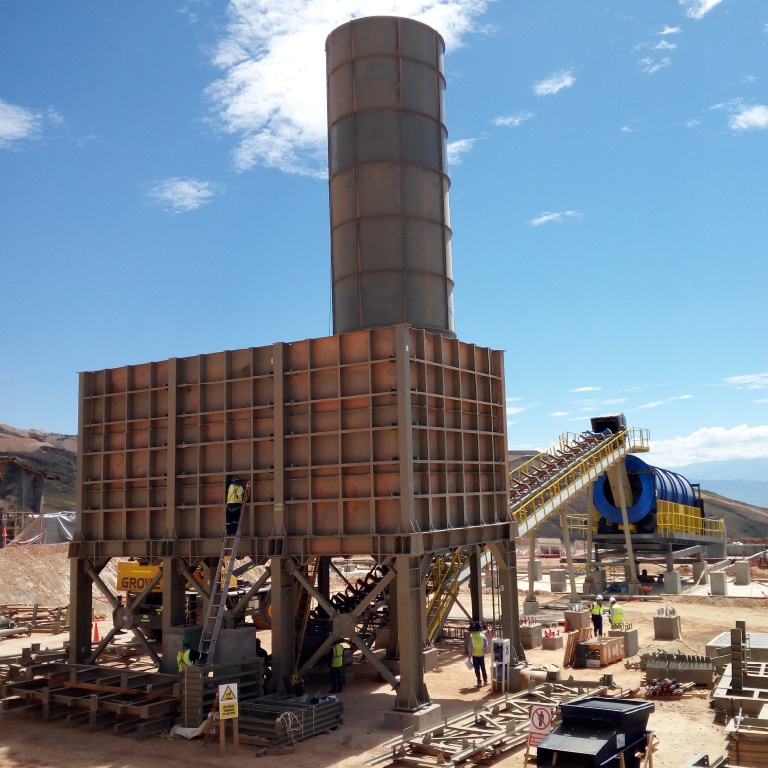
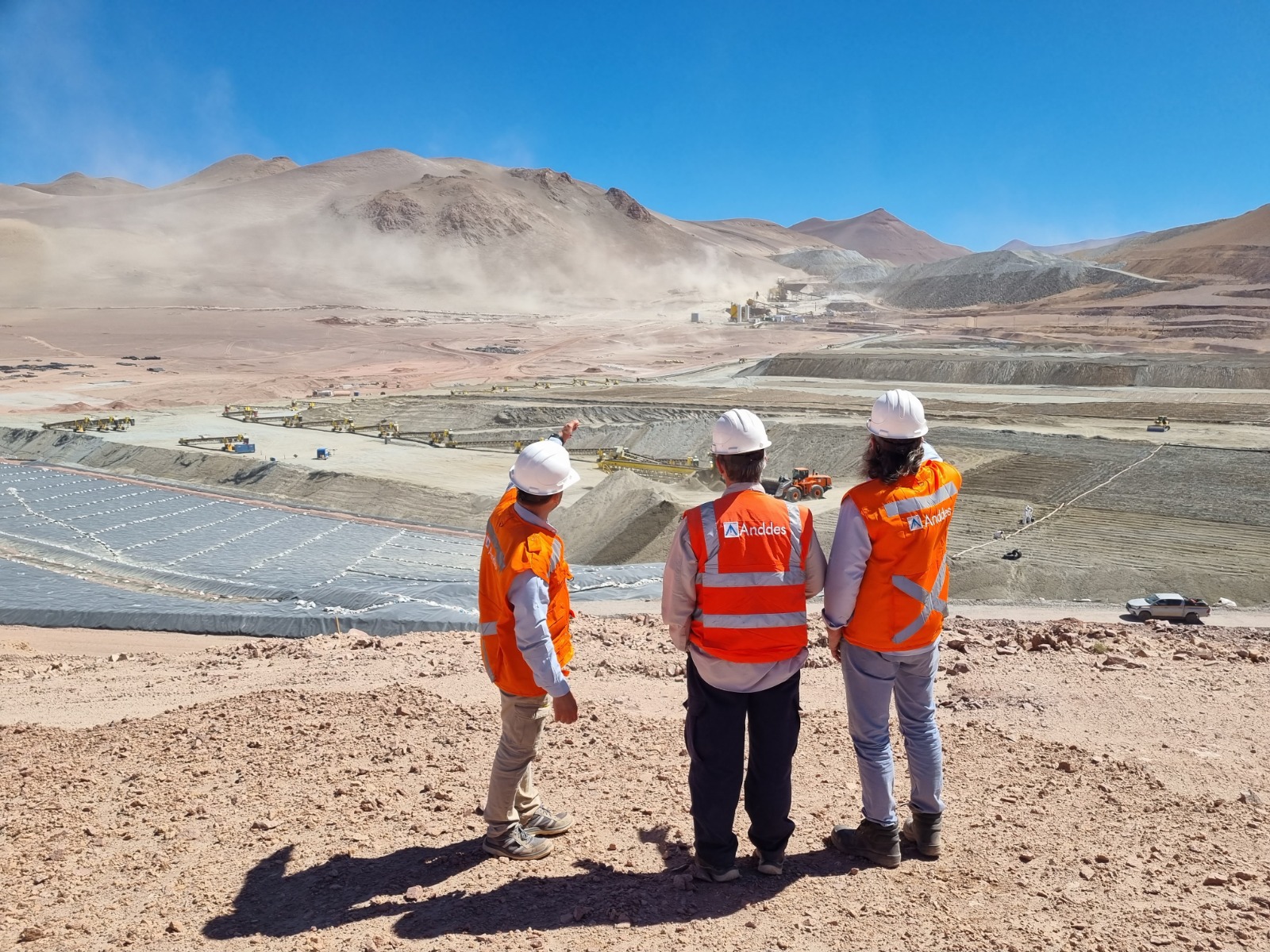
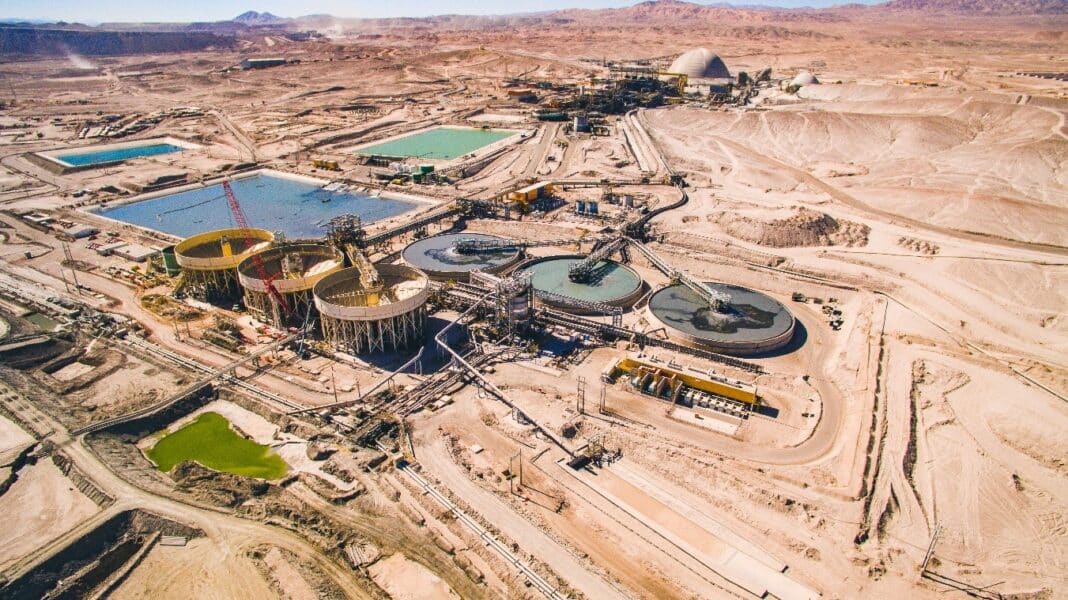
The project was executed for Minera Centinela, located in the Antofagasta Region, Chile—one of the flagship operations of Antofagasta Minerals, a subsidiary of Antofagasta plc. The operation is situated in the Centinela mining district, a strategic copper-producing area in northern Chile characterized by the extreme climatic and geotechnical conditions of the Atacama Desert.
Project execution required addressing several critical operational and technical challenges:
Bridging the gap between design parameters and actual operational performance.
Controlling key deposition variables, including dry density, moisture content, and solids percentage.
Managing the water balance to maintain safe phreatic levels and prevent saturation conditions.
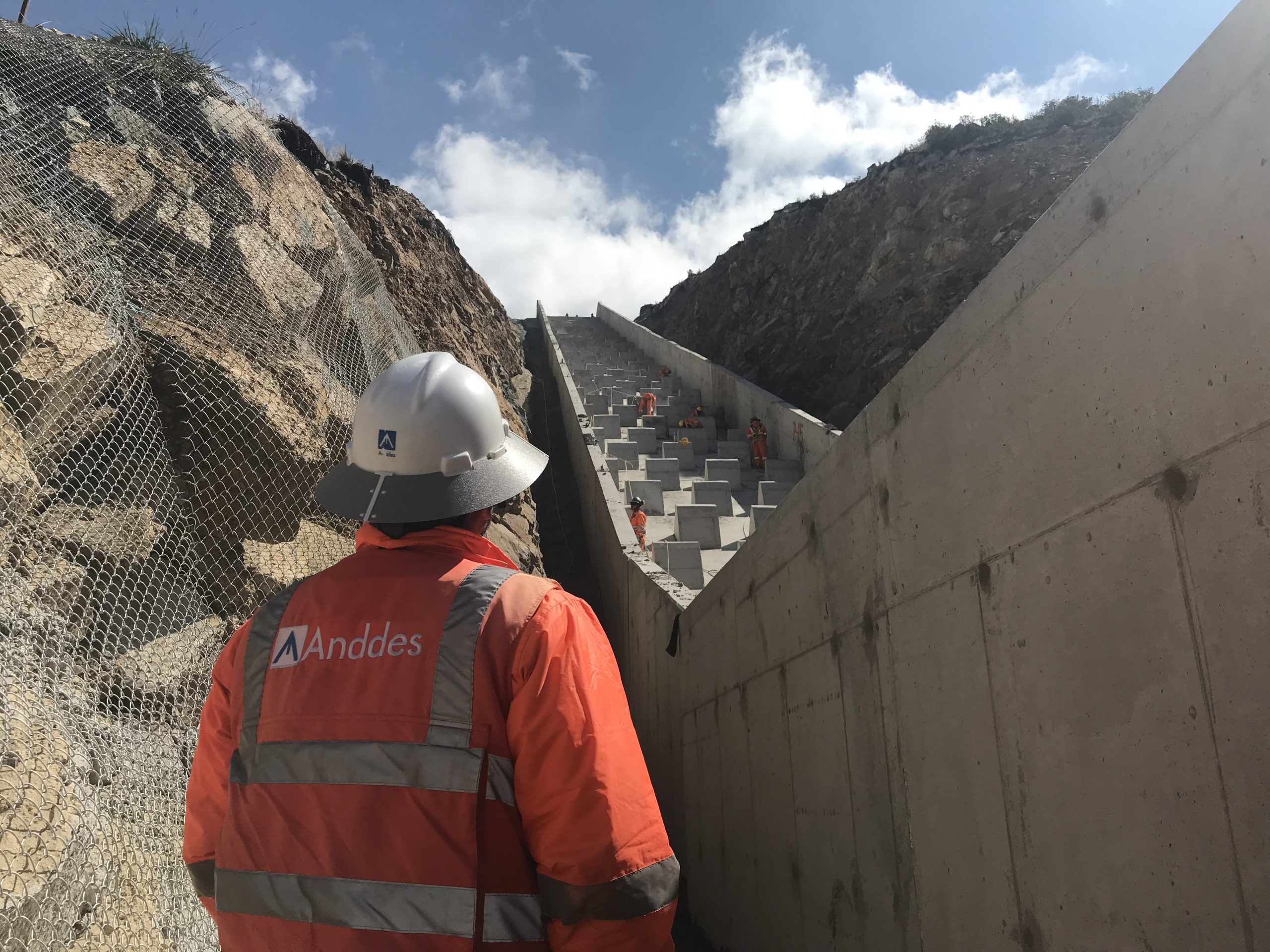
High-precision geometric control of slopes, freeboard, and lift thickness to mitigate overtopping, erosion, or localized instability risks.
Generating robust, traceable technical documentation for audits and regulatory oversight bodies.
A multidisciplinary framework was implemented, integrating geotechnical control, hydraulic monitoring, geometric verification, and structured document management, supported by a proactive Occupational Health and Safety (OHS) program.
Intensive geotechnical quality control program, with over 1,000 field and laboratory tests conducted.
Deployment of an on-site laboratory to accelerate response times and support real-time operational decision-making.
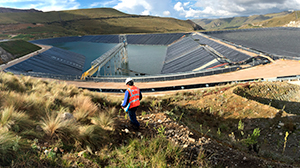
Continuous hydraulic monitoring using evaporimeters, vibrating wire and standpipe piezometers, and periodic observation well verification.
Scheduled topographic surveys to validate slopes, lift thicknesses, and overall facility geometry.
Integration of technical data into a compliance management system to support reporting before E-700, DGA, and other regulatory review entities.
Average dry density values exceeding design targets, confirming controlled and stable deposition.
Consistent solids content across multiple measurement methodologies, with no significant particle segregation observed.
Phreatic levels maintained within safe operational ranges, ensuring long-term TSF stability.
Strong regulatory traceability, with no critical observations during audits or technical inspections.
Zero-incident service execution, maintaining operational continuity and supporting informed client decision-making.