

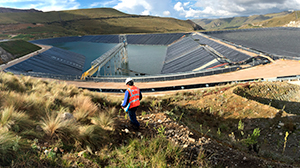
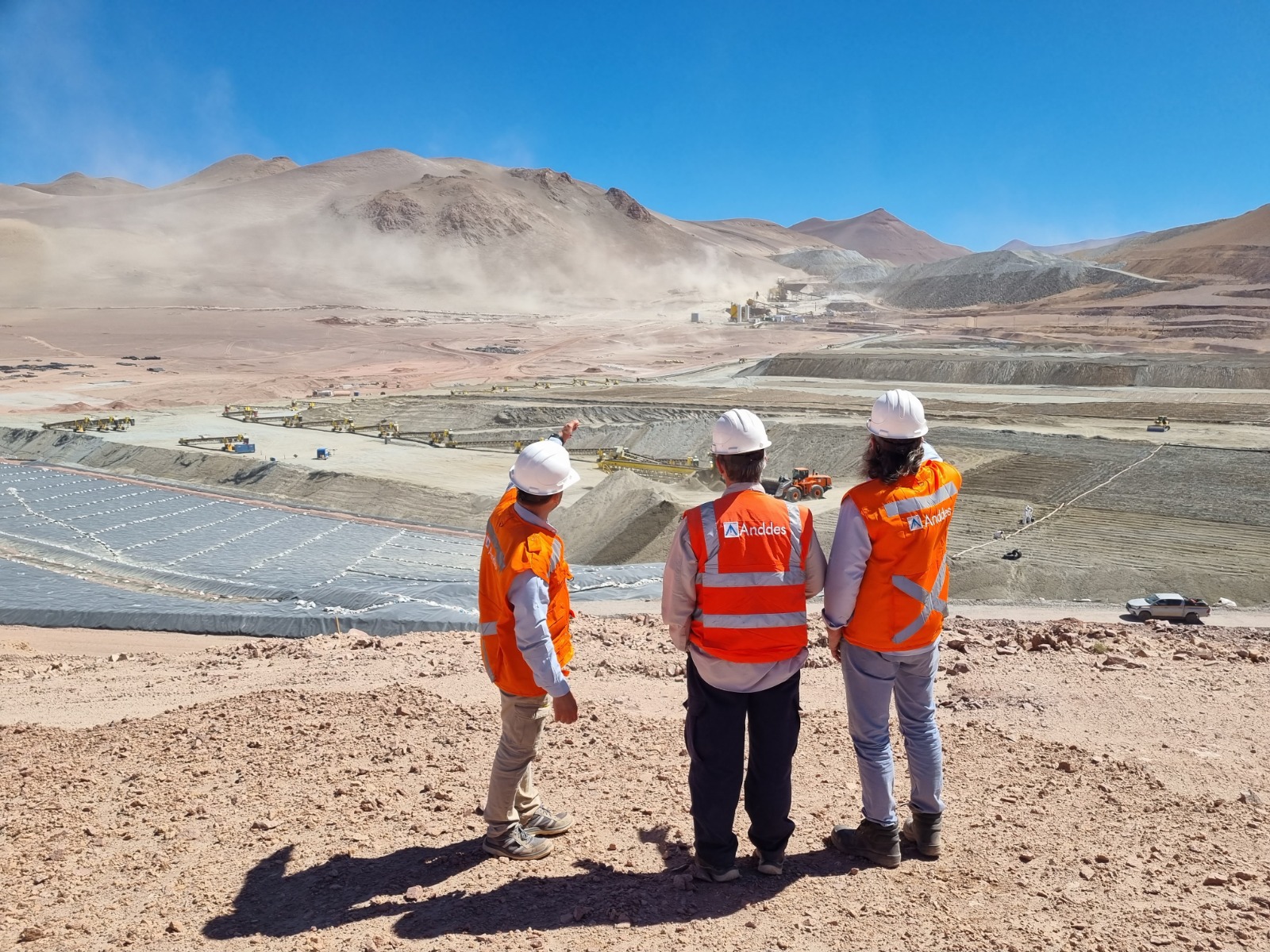
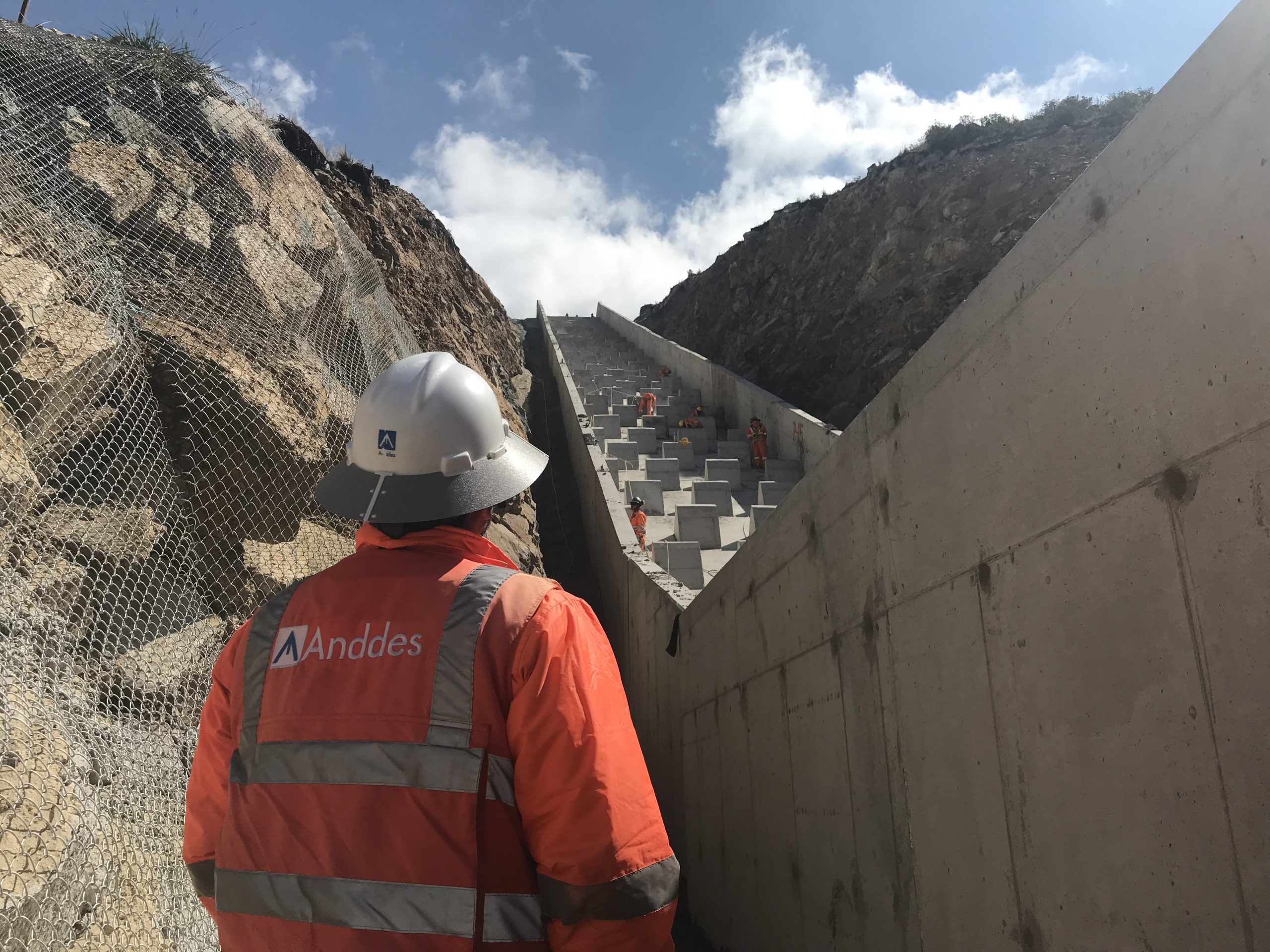
Heap leach pads are structures used in mining for the extraction of metals such as gold, copper, nickel, and uranium. While heap leach pad failures have been very rare throughout history and have typically generated minor impacts compared to tailings dams, they can shut down mining production, significantly affecting the profitability of the operation. Therefore, it is crucial to implement design procedures that minimize the risks associated with these facilities.
This paper proposes applying a similar approach used for tailings dam classification to heap leach pad projects, based on the consequences of a potential failure. This approach is based on the recommendations of international guidelines such as the Canadian Dam Association (CDA, 2019) and the Global Industry Standard on Tailings Management (ICMM, 2020), which establish categories of failure consequences for tailings dams ranging from low to extreme. This involves a detailed analysis of aspects such as the proximity of operating personnel and populations, the vulnerability of nearby ecosystems, the infrastructure that could be affected, and the economic, social, and cultural repercussions of a potential heap leach pad collapse.
This classification will allow determining the return periods for seismic and flood events that must be considered in the design of these facilities, thus reducing the risk of failure. Due to the limited impacted areas, high return periods are not expected to be used, at least during the operational phase.
Implementing this procedure involves quantifying the magnitude of potential impacts to support classification. Adopting this methodology not only seeks to improve the safety and efficiency of leach pads, but also ensures operational continuity of mining operations, avoiding costly interruptions and promoting more responsible and sustainable mining practices.