Bruno Espinace
General Manager GA Consultores

Client: Empresa Nacional de Minería (ENAMI)
Atacama, Chile
The El Salado Plant Operational Continuity Project, developed by Empresa Nacional de Minería (ENAMI), aims to extend the plant’s operational life by 35 years and reconfigure existing leached ore deposits to ensure continued operational capacity, structural stability, and regulatory compliance.
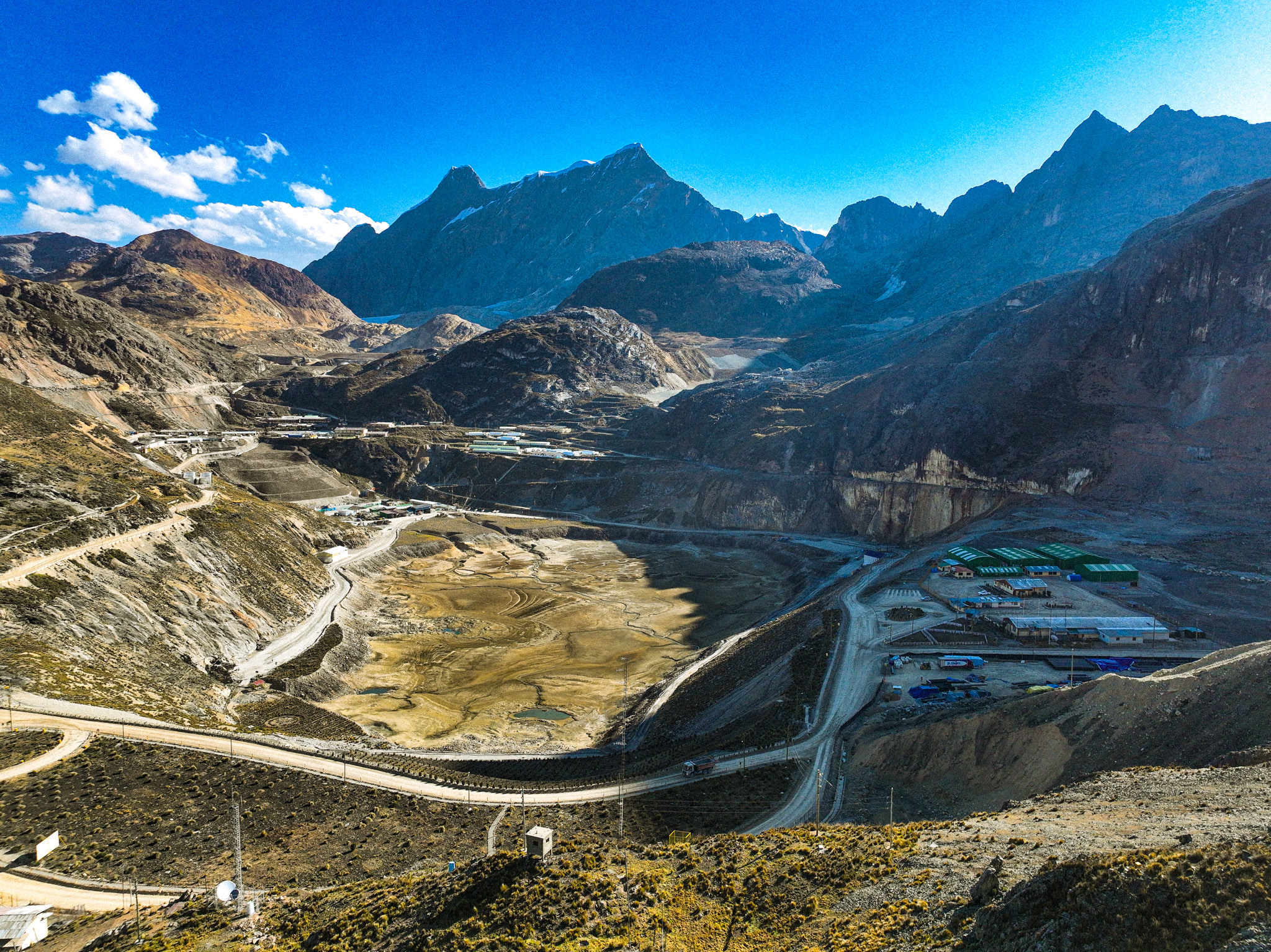
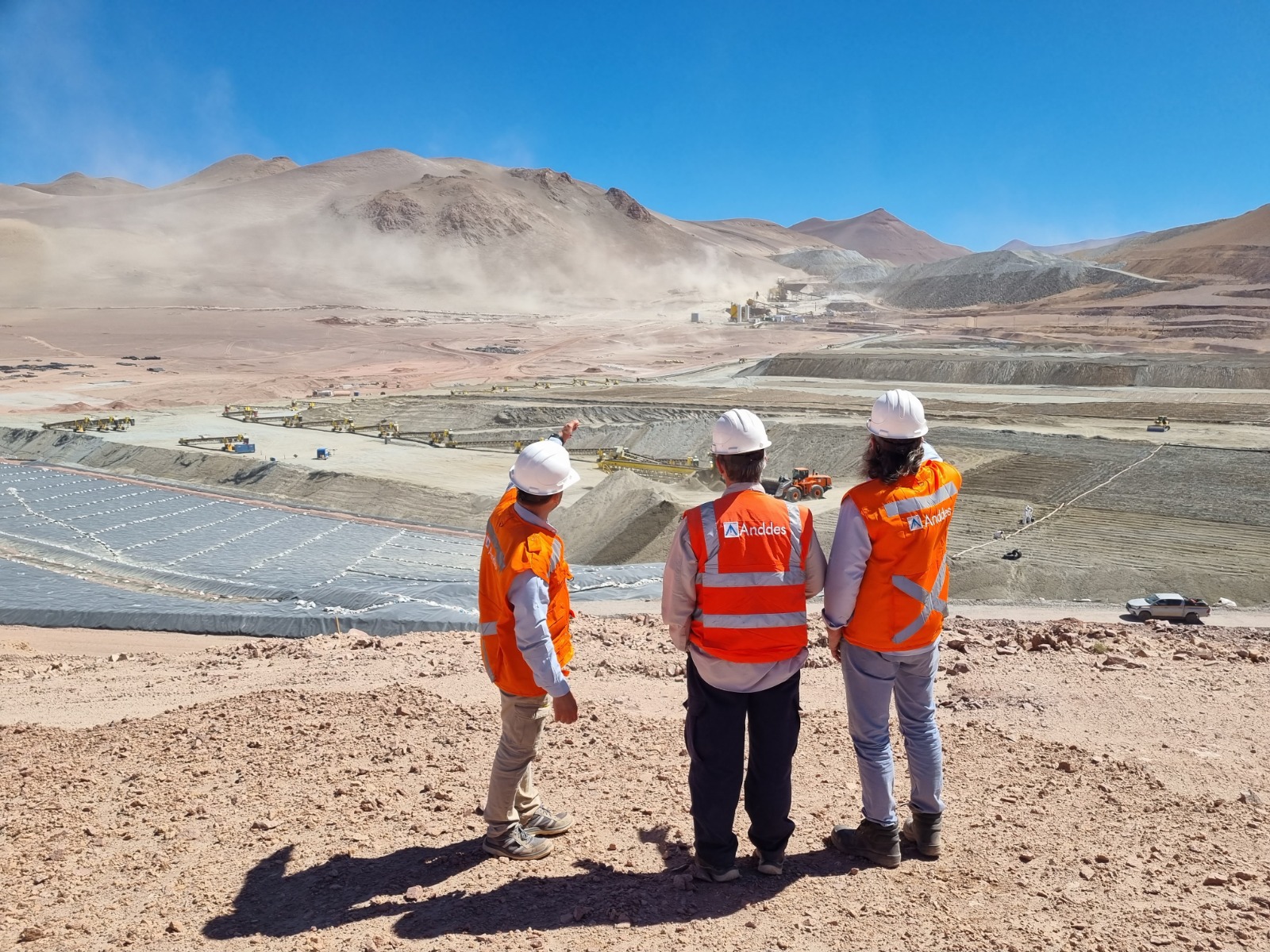
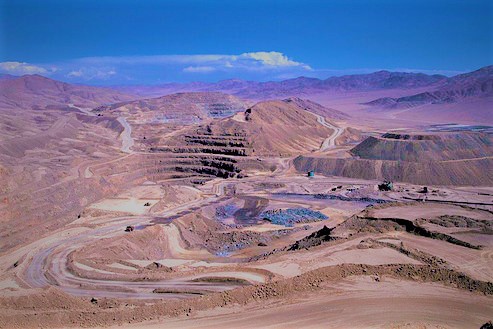
The project is located in the town of El Salado, Commune of Chañaral, Atacama Region, Chile, within an area of influence of approximately 101.5 hectares. The footprint includes Leaching Sectors No. 1 and No. 2, the SX-EW plant, and associated support facilities.
Classified as a mining development project involving waste and waste rock management, the initiative represents an estimated investment of USD 760,000, with access provided via Route 5 and Route C-13 from Chañaral.
The project required balancing long-term operational continuity with environmental protection in a highly sensitive ecological and community setting within an extremely arid region.
Key challenges included:
Maintaining uninterrupted SX-EW operations under hyper-arid climatic conditions.
Protecting flora and fauna of ecological value, including xerophytic vegetation.
Minimizing environmental and social impacts on nearby communities.
Modeling and verifying atmospheric emissions, noise, and vibration levels.
Characterizing soils, hydrogeological, and hydrological conditions under extreme rainfall scenarios.
Assessing landscape and visual impacts in a highly exposed desert environment.
Conducting preventive archaeological and cultural heritage assessments.
Designing and implementing monitoring and control systems throughout the project life cycle.
Anddes implemented a comprehensive environmental and technical strategy integrating field investigations, environmental modeling, and multidisciplinary engineering assessments.
Development of environmental baseline studies and atmospheric dispersion modeling under multiple operational scenarios.
Certified noise and vibration monitoring using calibrated instrumentation.
Flora and fauna surveys, including xerophytic vegetation characterization.
Physicochemical soil analyses confirming low levels of anthropogenic alteration.
Hydrological modeling of extreme precipitation events to define design flows and drainage requirements.
Landscape and visual impact assessment supported by characterization matrices and visual simulations.
Community engagement diagnostics and archaeological surveys, with no significant findings reported.
Engineering reconfiguration of leached ore deposits, including geometric optimization and slope stability analyses.
Development of prevention and contingency plans for operational and environmental risks.
Continuous monitoring and mitigation strategy for acid mist risk associated with SX-EW operations.
Processing and management of PAS 136 and PAS 157 environmental sectoral permits.
Use of low-impact, non-invasive field investigation techniques.
Implementation of continuous environmental monitoring programs (air, water, fauna, and landscape).
Early integration of environmental prevention criteria into engineering design.
Optimization of earthworks to reduce material movement and resource consumption.
Active community engagement and transparent communication processes.
The project achieved environmental and social validation under Chilean regulatory standards, supporting long-term operational sustainability.
Full compliance with applicable environmental and social regulations.
Verification of emissions and noise levels within permissible regulatory limits.
Confirmation of the absence of significant soil contamination.
Hydrogeological assessment confirming low groundwater availability and minimal seepage risk.
Hydraulic infrastructure designed to withstand extreme rainfall events.
Landscape impacts assessed as low and mitigable through revegetation and slope management measures.
Protection of identified biological corridors within the area of influence.
Favorable environmental qualification through Exempt Resolution No. 164-2021.
Secured long-term operational continuity under sustainability criteria.
Comprehensive technical support throughout the environmental impact assessment process.
Effective protection of local ecosystems and cultural heritage.
Strengthened community relations in El Salado.
Alignment with national environmental regulations and international best practices for arid-zone mining operations.