
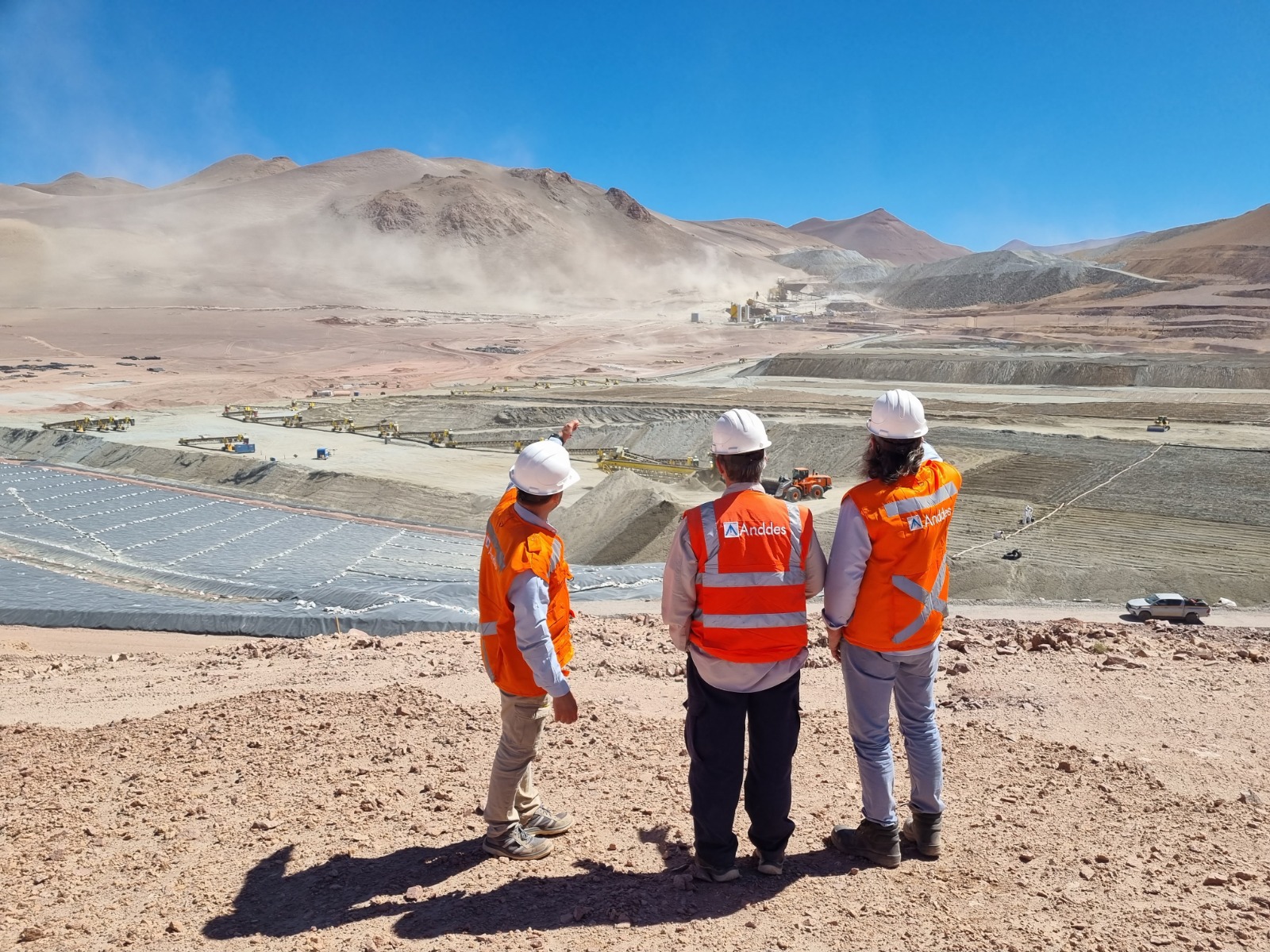
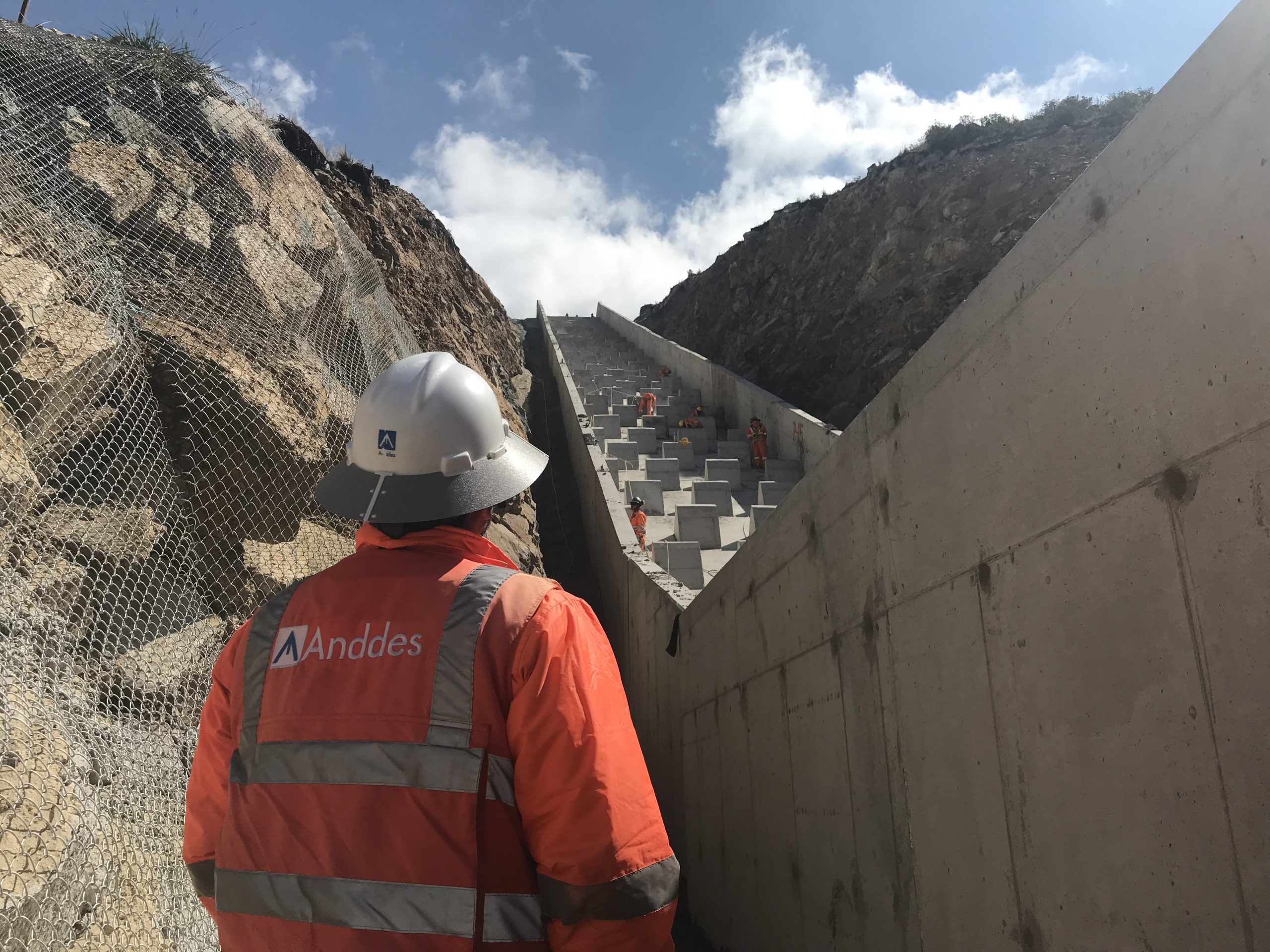
Currently, some mining operations that use heap leaching technology and are located in high-rainfall regions install impermeable covers over the top of the ore heap to reduce the amount of precipitation infiltrating the pile. Covers are also used in areas of the heap that are not actively under irrigation. Several full-scale heap leach operations have demonstrated that rainfall infiltration into the system leads to solution dilution, thereby reducing metal recovery efficiency. It also generates excess contaminated water that must be recirculated or treated prior to discharge to the environment. Both issues result in significant additional costs.
This paper presents an analysis of two different scenarios involving the installation of impermeable covers on heap leach pads. The first case is located in a tropical, high-precipitation region in northern Brazil, where copper ore is processed; the second case is situated in a mountainous area of the southern Peruvian Andes, where gold is recovered.
The water balance was developed considering variations in cover percentage, process plant capacity, stormwater pond capacity, and cover-related pond capacity. The water balance results enabled the researchers to determine, on a monthly basis, the operational flows to be stored in the stormwater pond and the volumes that would need to be removed from the system and therefore treated prior to discharge into natural streams.
The paper also presents a comparative analysis of capital expenditures (Capex) and operating expenditures (Opex) under different scenarios for both case studies. The cost evaluation indicates that increasing the extent of cover installation reduces the total life-of-mine cost of heap leach facilities, generating significant savings for the project.