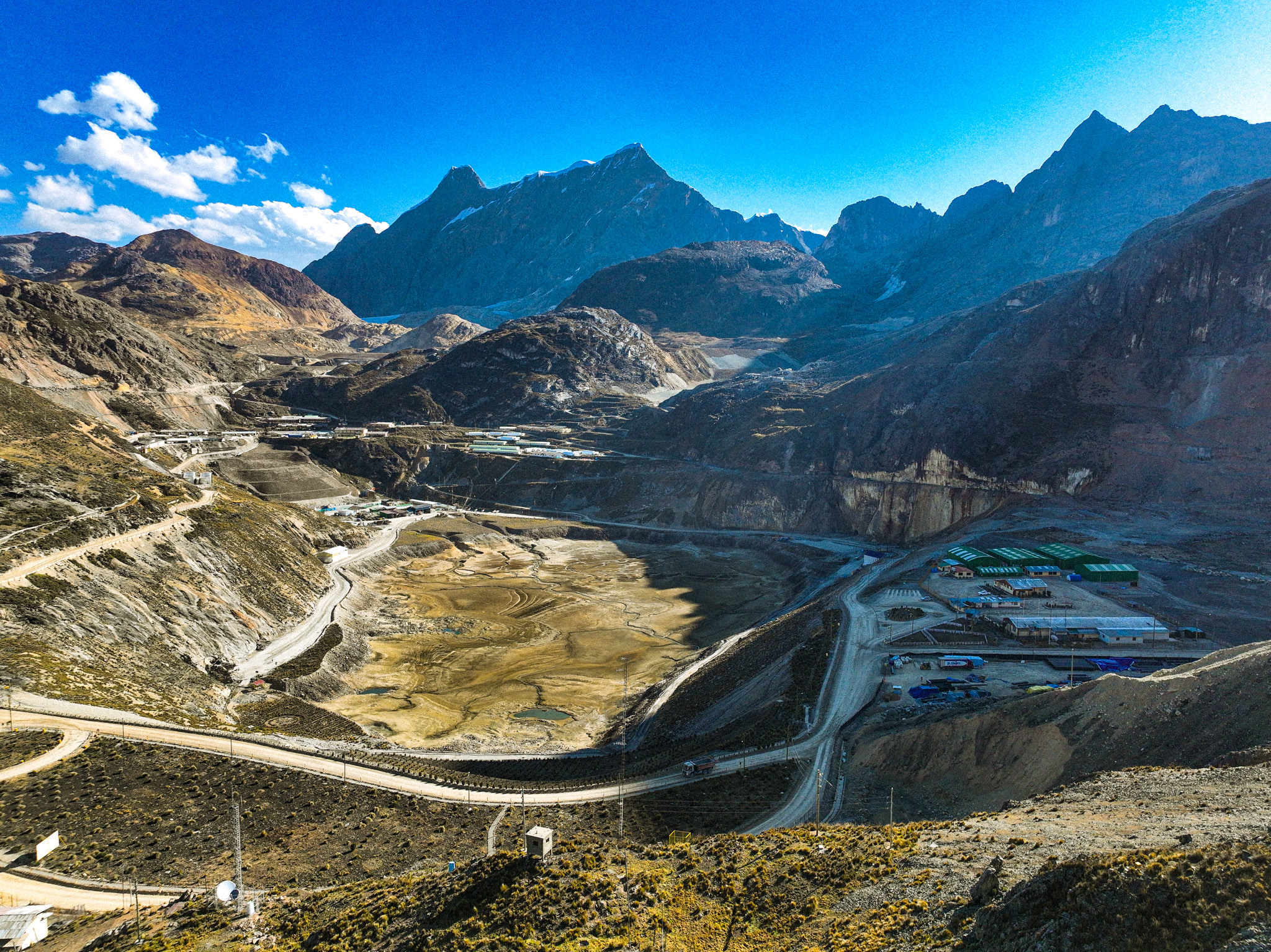
| Tailings storage facilities (TSF) must ensure their safe performance during the closure phase, when performance monitoring and supervision cease; under these conditions, long-term effects become predominant. This paper presents the stability assessment of a TSF located in northern Chihuahua, Mexico, developed from a comprehensive program of geotechnical field and laboratory investigations aimed at characterizing the materials of the tailings and the foundation soils. Based on the defined geotechnical model, static, pseudo-static, and post-liquefaction stability analyses were performed, applying the criteria established by the Canadian Dam Association (CDA, 2019) and the Global Industry Standard on Tailings Management (GISTM, 2020). These standards differ in their assessment of seismic demands for TSF during closure, with the GISTM criteria being more rigorous and independent of the consequence level. The static and pseudo-static analyses showed safety factors above the minimum requirements for both criteria. The liquefaction assessment using GISTM criteria indicated the occurrence of liquefaction of the saturated tailings, while liquefaction was not observed when using CDA criteria. The post-liquefaction assessment showed factors below the recommended minimums, indicating potentially unstable conditions according to the more conservative GISTM criteria, requiring stabilization measures. However, under the CDA’s consequences-based guidelines, the tailings deposit exhibits acceptable stability under closure conditions. These results highlight the importance of selecting criteria consistent with the site context and consequences level. |