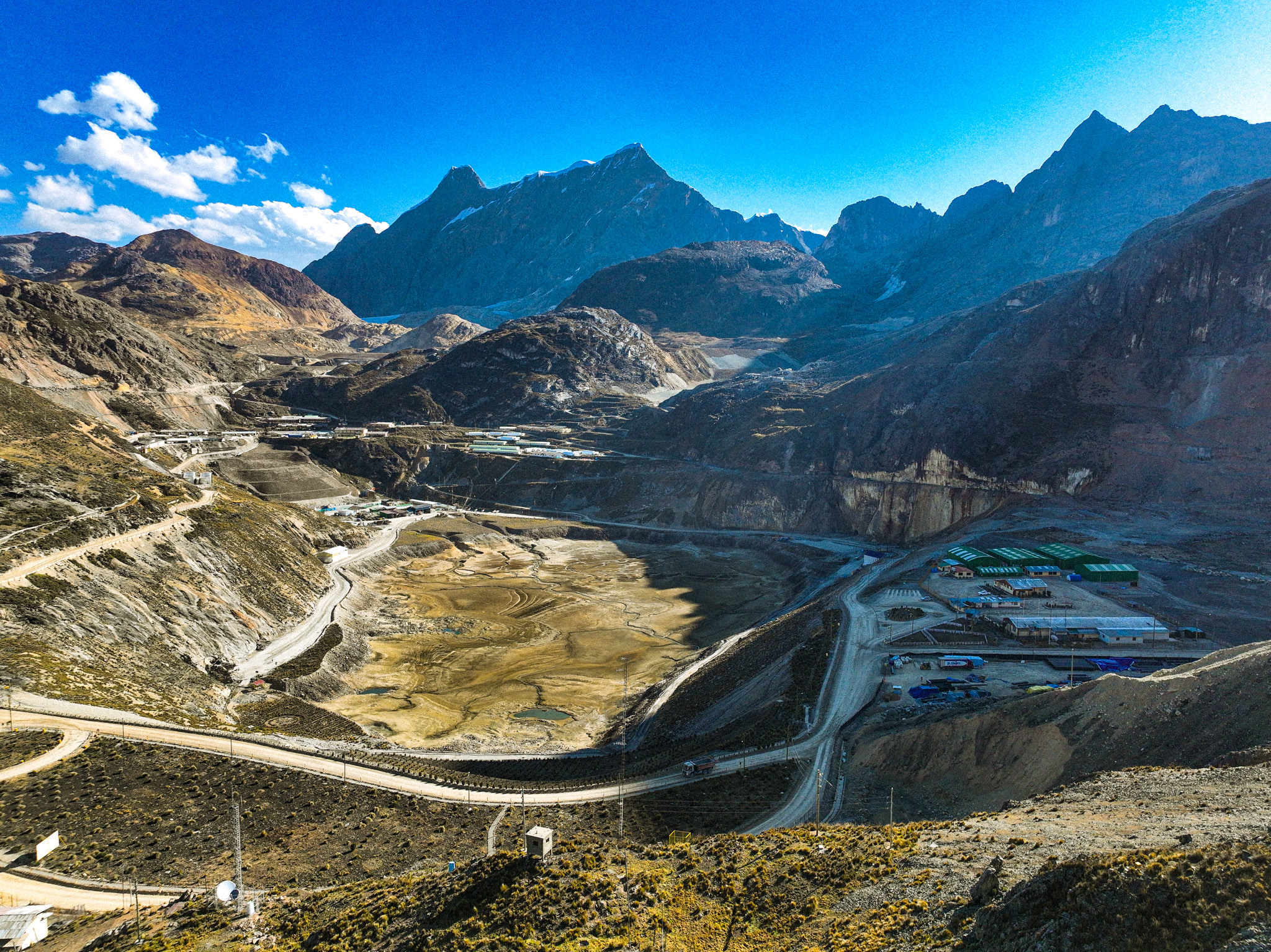

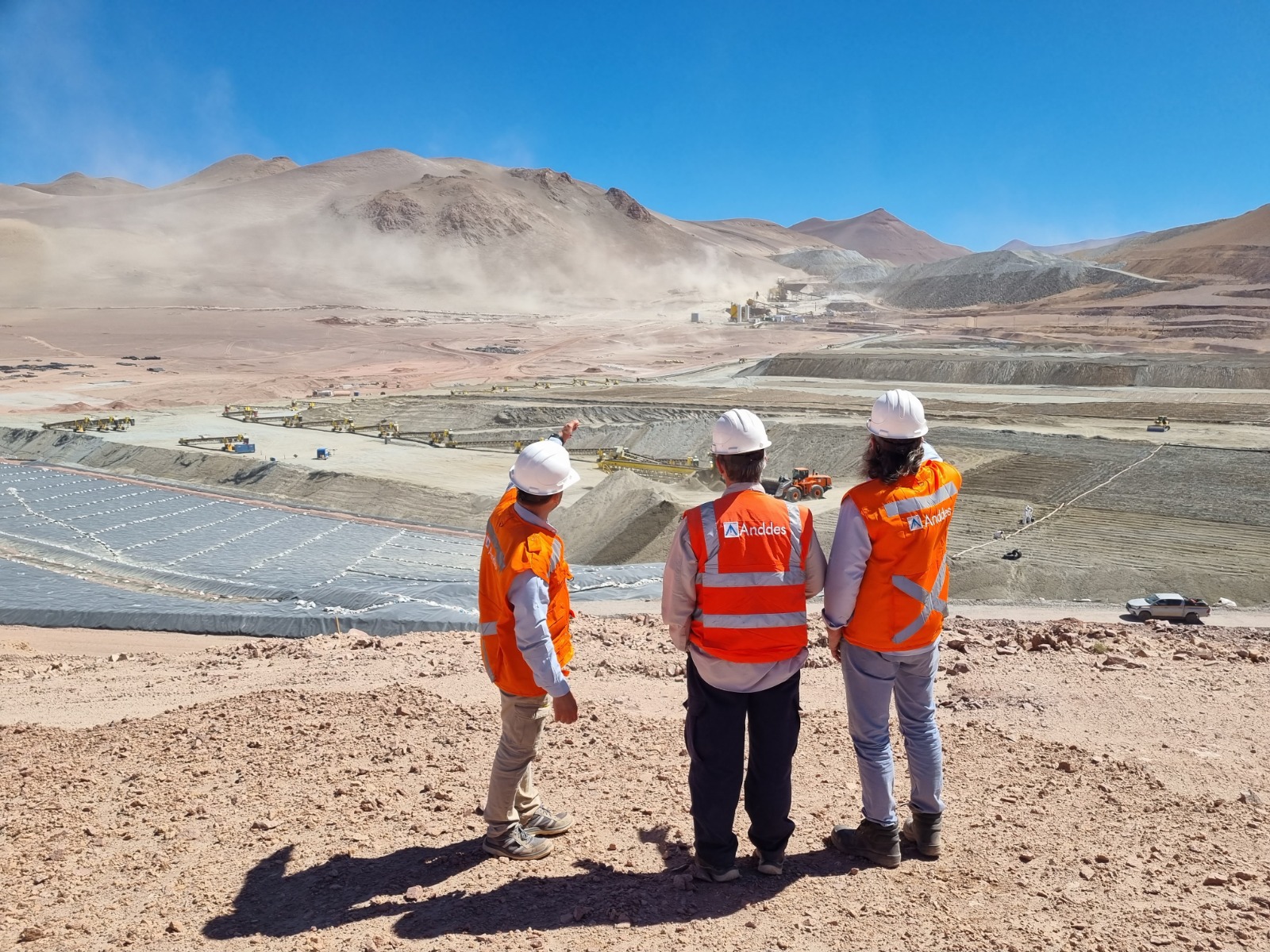
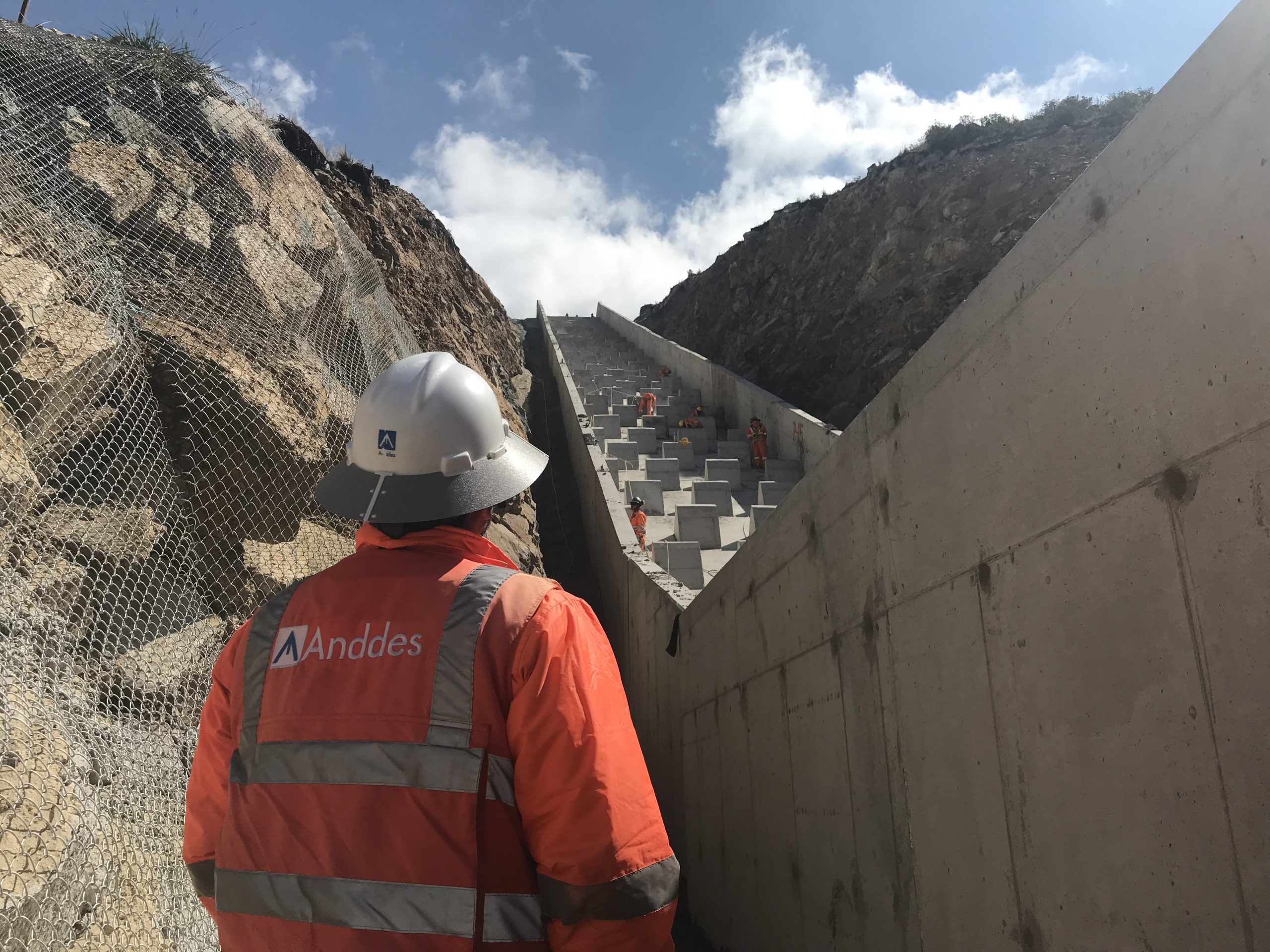
Two-dimensional (2D) limit equilibrium slope stability analyses are widely used today in the design of geotechnical structures. However, the 2D assumption of plane strain behavior in mining earth structures can be too conservative, particularly when dealing with complex topography, geometry, and geology (Reyes and Parra, 2014; Reyes et al., 2014, 2015). Among these structures, valley-fill heap leach pads have shown a high \”three-dimensional (3D) effect\”, mainly due to the geometry of their translational failure mechanism, the topography of the valley, and the shear strength of their lining system (Reyes et al., 2015). Furthermore, Reyes et al. (2015) demonstrated the significant economic and design advantages of considering 3D analysis over 2D. In order to evaluate and quantify the 3D effect for this type of structure, more than 2,000 idealized 3D models of valley-fill piles were analyzed, considering standard design parameters such as the leaching platform and pile slopes, valley geometry, pile height and width, interface shear strength, among other factors. The results allowed the authors to develop several graphs and trends, defining which geometric or resistance characteristics can produce the highest ratio for a 3D / 2D safety factor, which ideally varies between 1.03 and 1.67. These findings can be useful for professionals to decide when it is useful to use 3D analysis and in what circumstances 2D assessments may be too conservative.