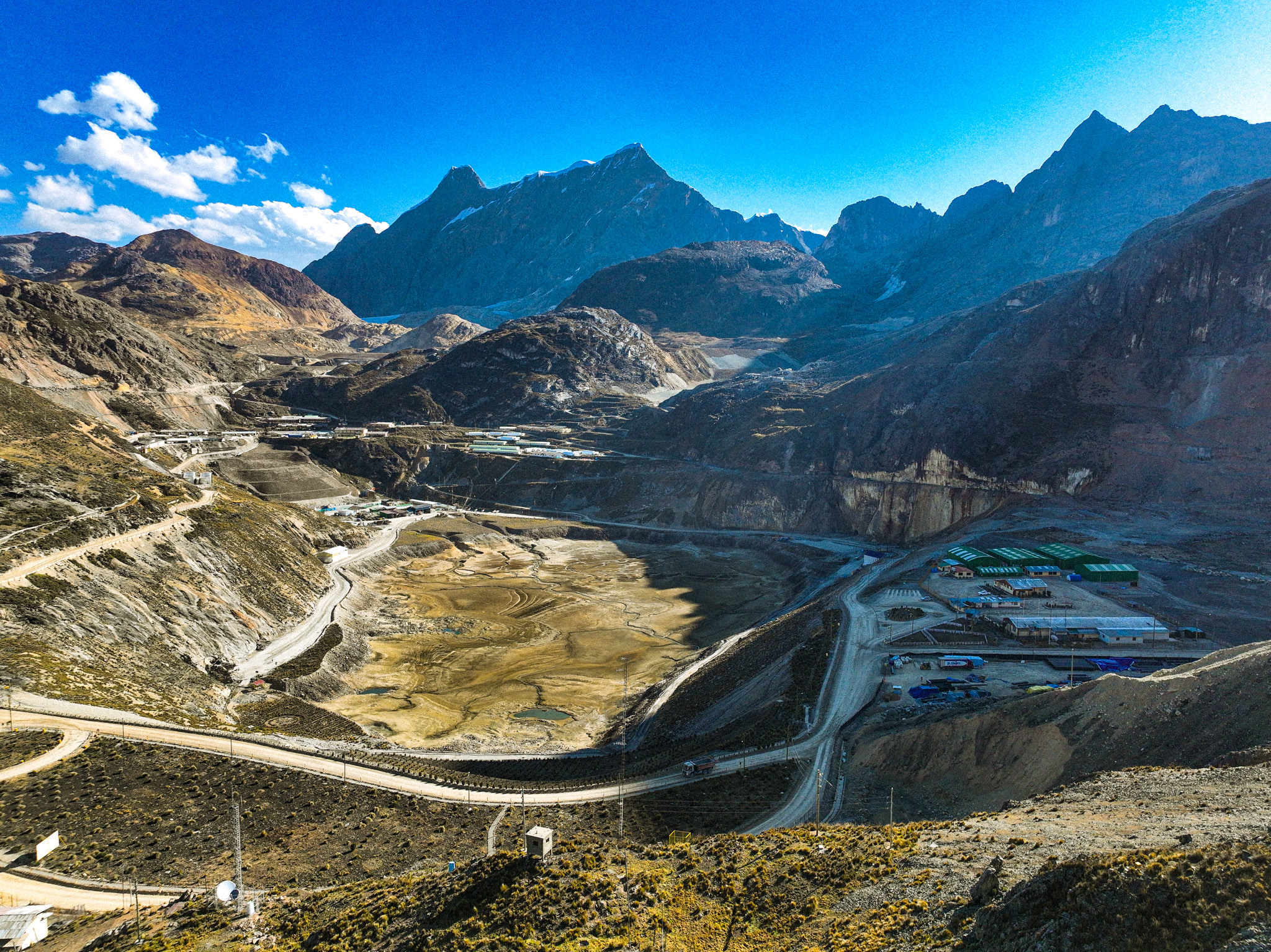
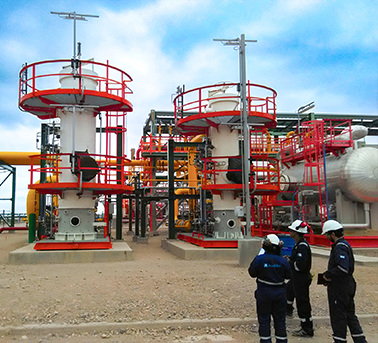

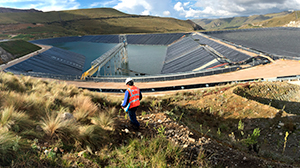
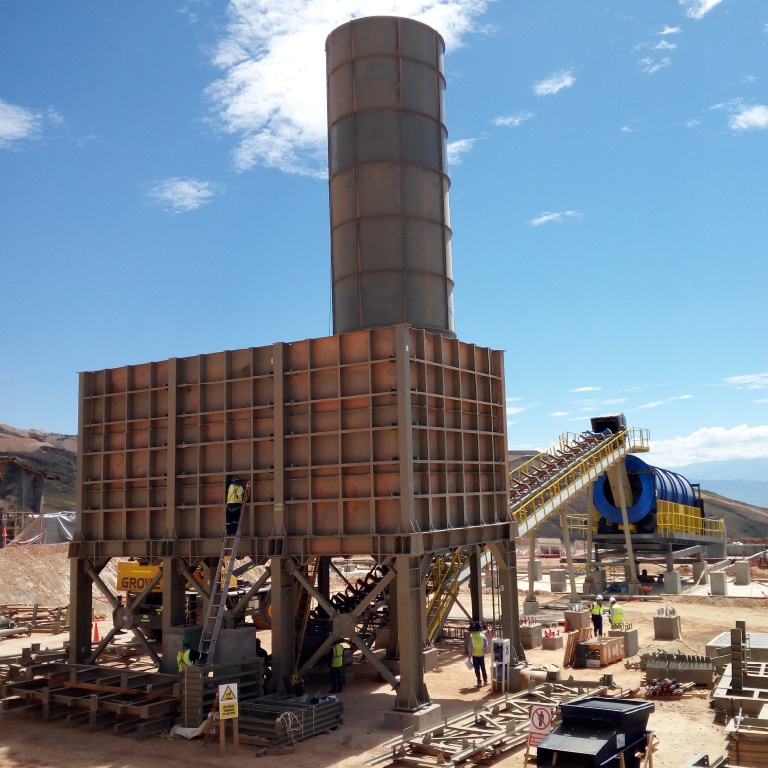
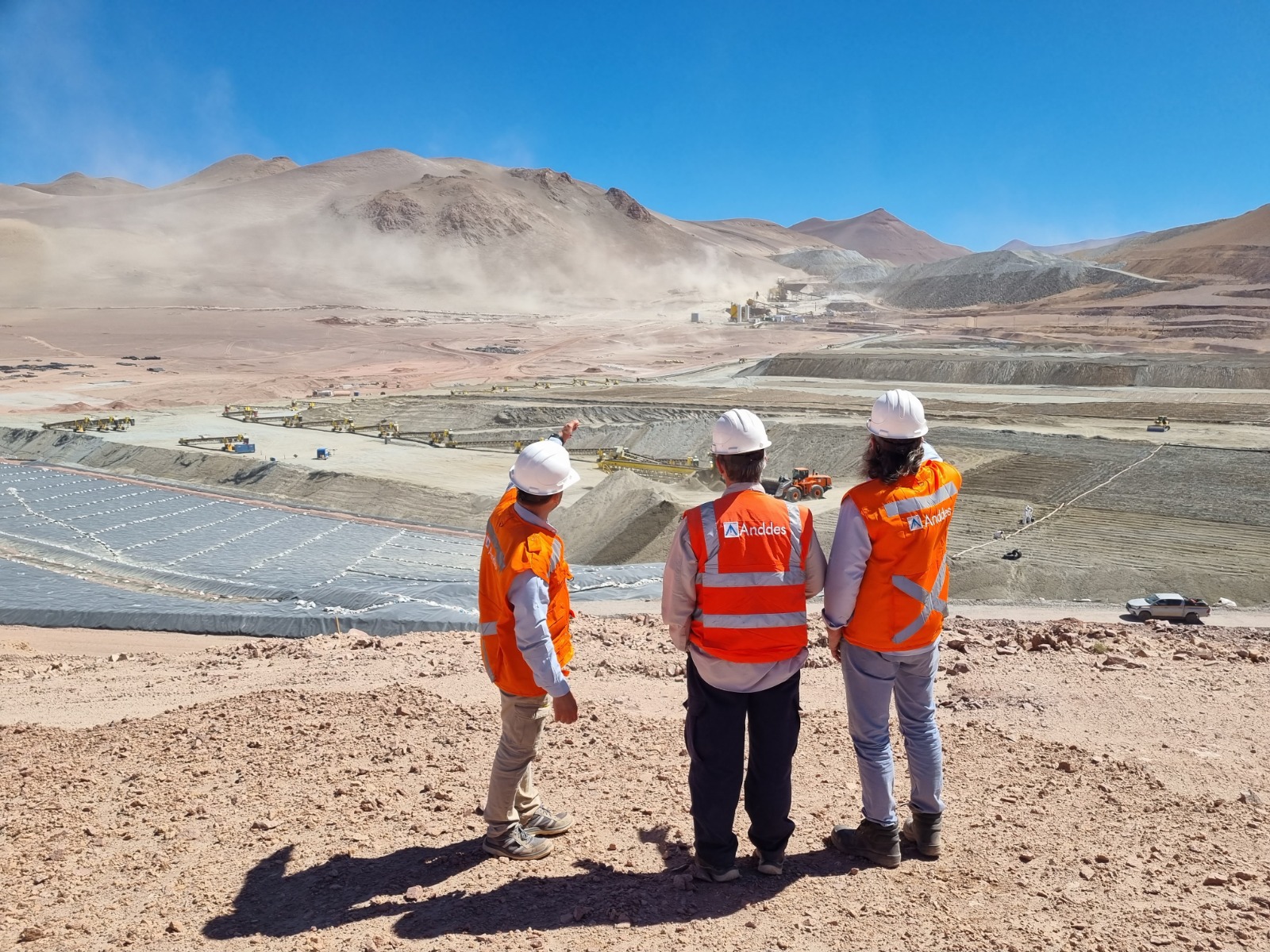
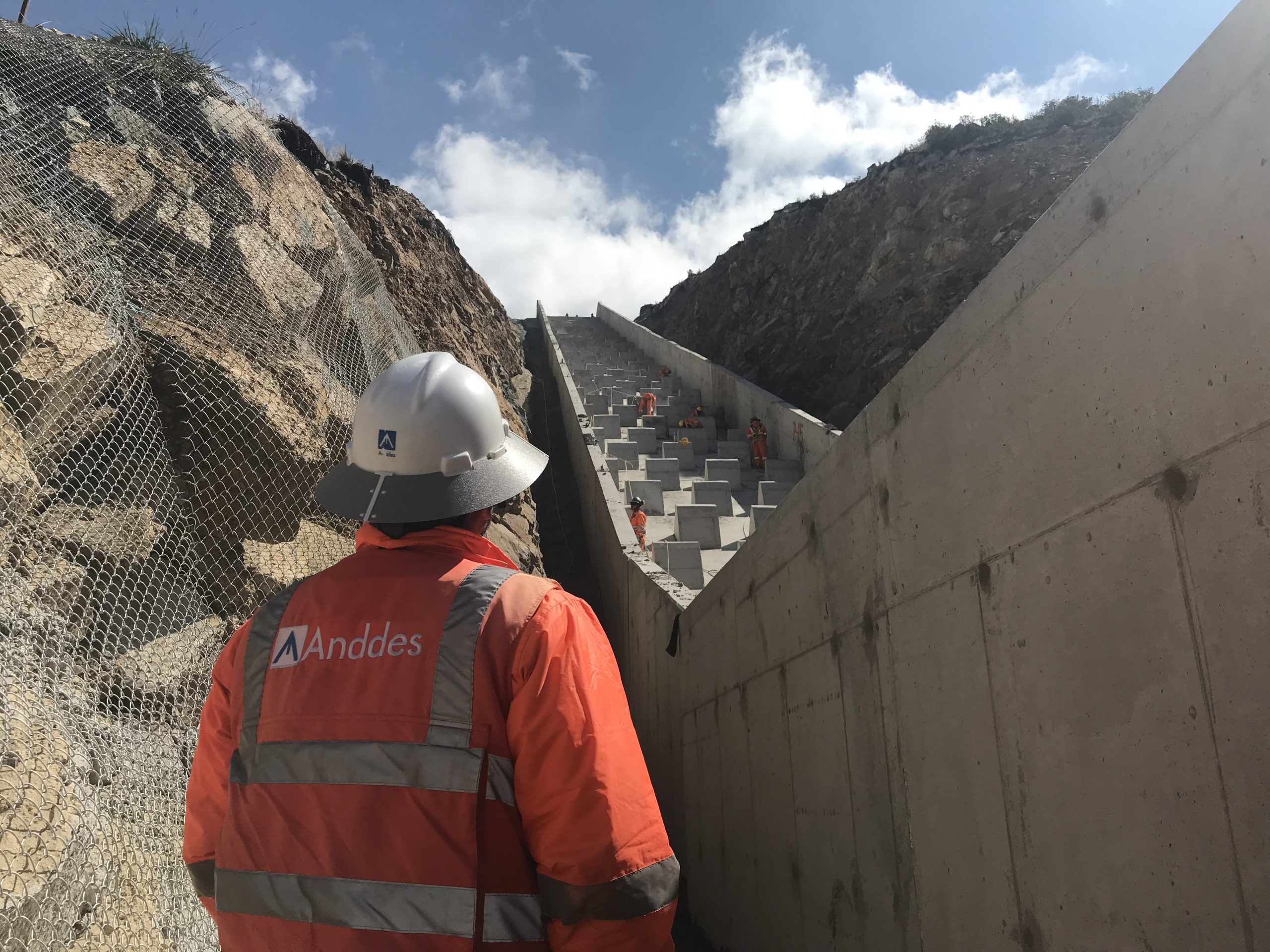
Mining companies invest many thousands of dollars in construction quality assurance (CQA) during the construction and expansion of heap leach pads to install a high-quality geomembrane liner that is free of defects or leaks. The geomembrane is then covered with cover material using large construction equipment, when significant damage can occur to the installed geomembrane. There is an electrical leak location (ELL) technique called the dipole method for locating leaks through installed soil cover material (ASTM D 7007-09). The dipole method has been proven to be a reliable and cost-effective tool for verifying 100% of covered geomembrane for leaks through cover material, which can then be repaired before operations begin. However, the dipole method is not typically used as part of heap leach pad construction and CQA. The general practice is for a CQA technician to \”observe\” the overliner placement activities. Subsequently, random test pits are excavated to inspect the condition of the liner. It is difficult or impossible for a CQA technician to detect damage to the geomembrane during placement of the cover materials, as it is placed quickly and immediately covered. The cover material is also commonly placed at night, when visibility is very limited. Statistically, the procedure described above is not representative of the quality of the geomembrane installation. Locations of significant damage caused during liner placement are not only a source of potential environmental and legal problems, but also cause a loss of revenue from the leakage of pregnant solution into the subsurface. In this paper, current CQA practices during and after liner placement are compared with the alternative of performing an ELL survey with dipole method. The detailed experience of the dipole method comes from high altitude leach pads in the Andes, where the technology successfully detected damage locations of various sizes, several of them extremely significant. From both a financial and technological standpoint, incorporating the dipole ELL method is a much more effective CQA tool than is currently used to prevent future environmental impacts, potential legal claims, and some revenue loss through leaks that ELL could have easily detected during the heap leach pad construction phase.