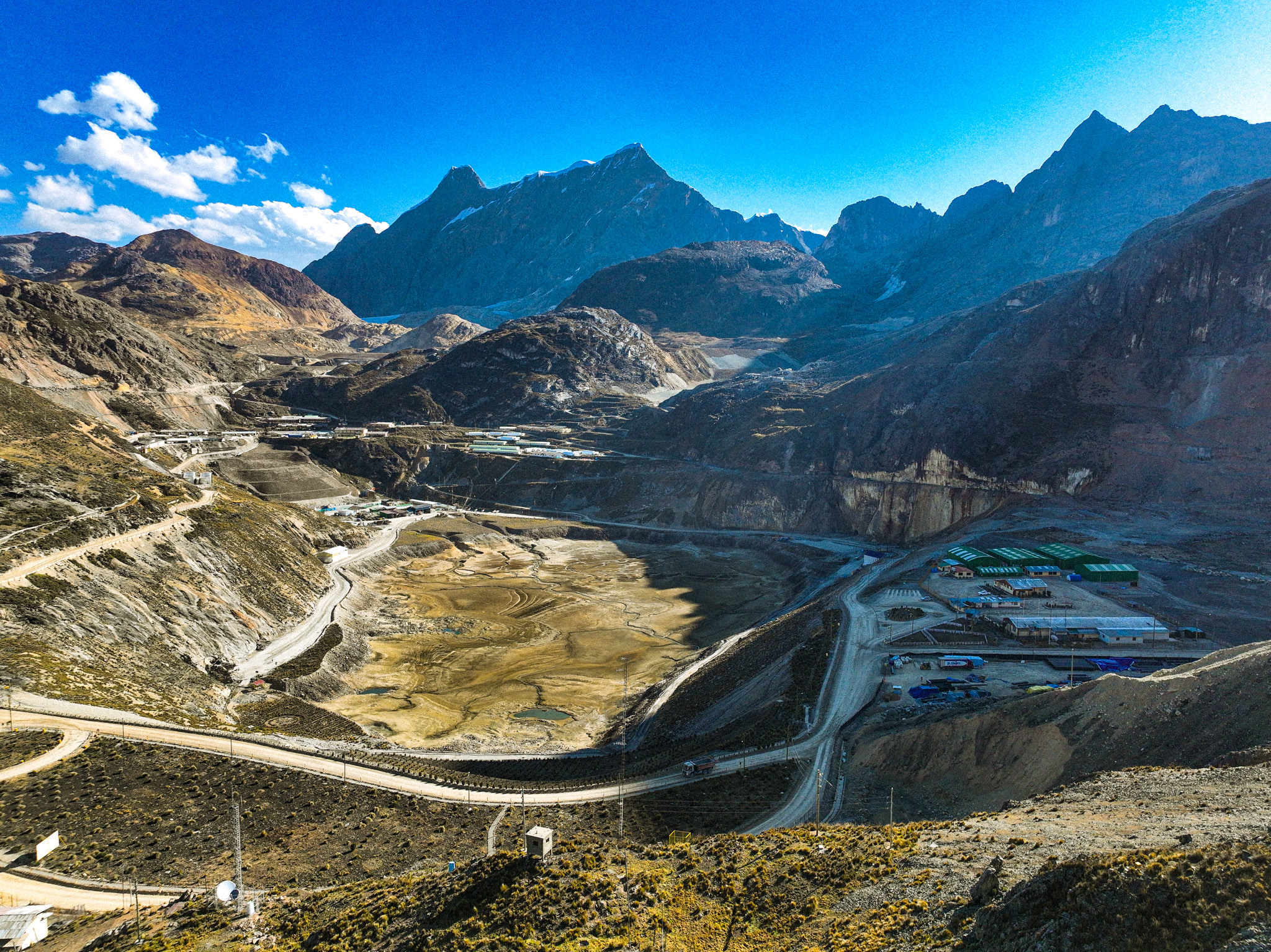
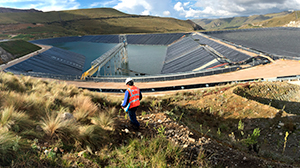
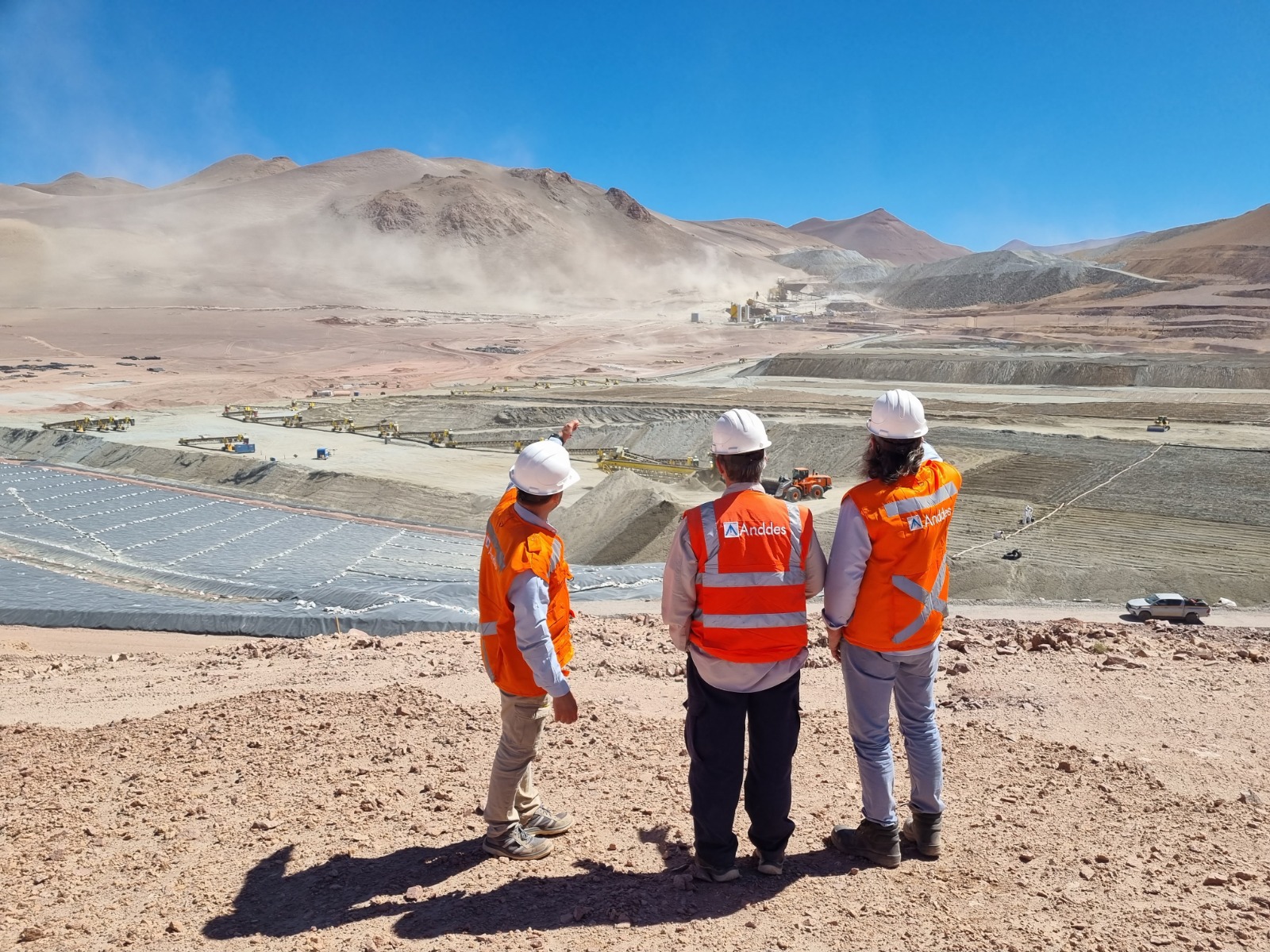
The design of heap leach pads with heights exceeding 150 m in large mining projects has become increasingly frequent in the last decade due to economic factors, restrictive topographical conditions, limited space within property or mining concession boundaries, the need to reduce closure and remediation costs, and the objective of minimizing the use of agricultural land. The overall objective has been to reduce the environmental impact of mining activity by designing deeper ore piles in smaller areas, which requires rigorous engineering and careful selection of geosynthetic components. This article presents the experience gained in the design of deeper leach pads, mainly in valley fill facilities, where solutions have been successfully implemented to address the challenges posed by high loads on the behavior of the geomembrane and solution collection pipes during design and construction. It also includes a review of historical pipe deflection tests under high load and numerical modeling, along with recommendations for conducting and implementing high load puncture tests in the laboratory, the need for large-scale deflection tests on large diameter pipes, and the criteria for the selection and calibration of numerical models for pipe deflection analysis in order to simulate real and critical field conditions. These findings may contribute to more detailed studies in the future.