
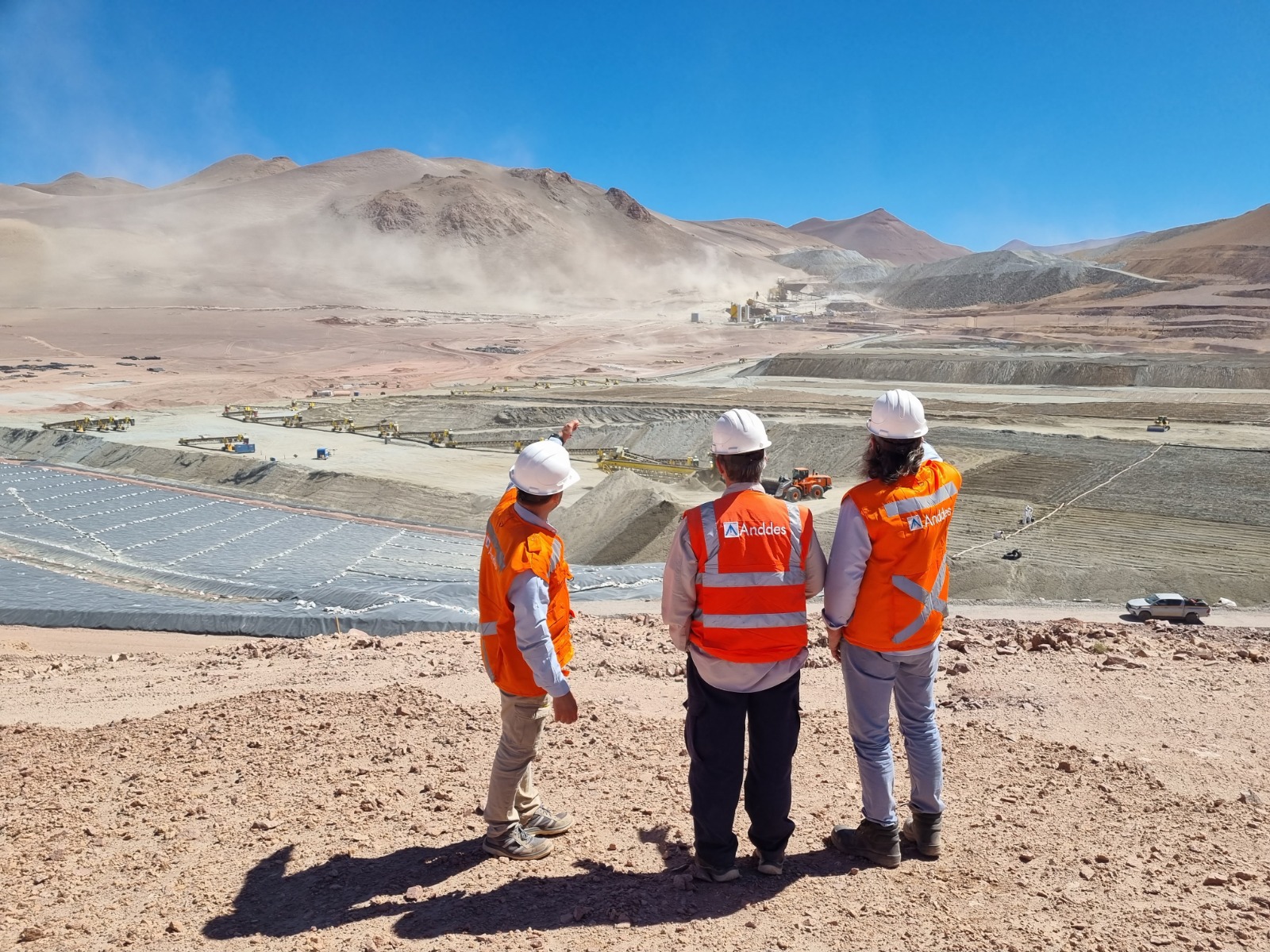
During the last five years, heap leach pads operating in rainy environments in Peru have successfully faced intense rainfall, applying technical solutions for temporary water management during the construction stage. The achievements in these conditions have been due to the creativity, immediate response, and joint work of the engineering and construction teams.
Runoff management in heap leach pads may require changes during construction and operation for various reasons, including economic, topographic, operational, and geotechnical aspects that were not foreseen in the design, or due to the urgent construction of drainage structures near the rainy season. These situations make it necessary to modify the planned water management, which can generate additional expenses and significant changes throughout the project.
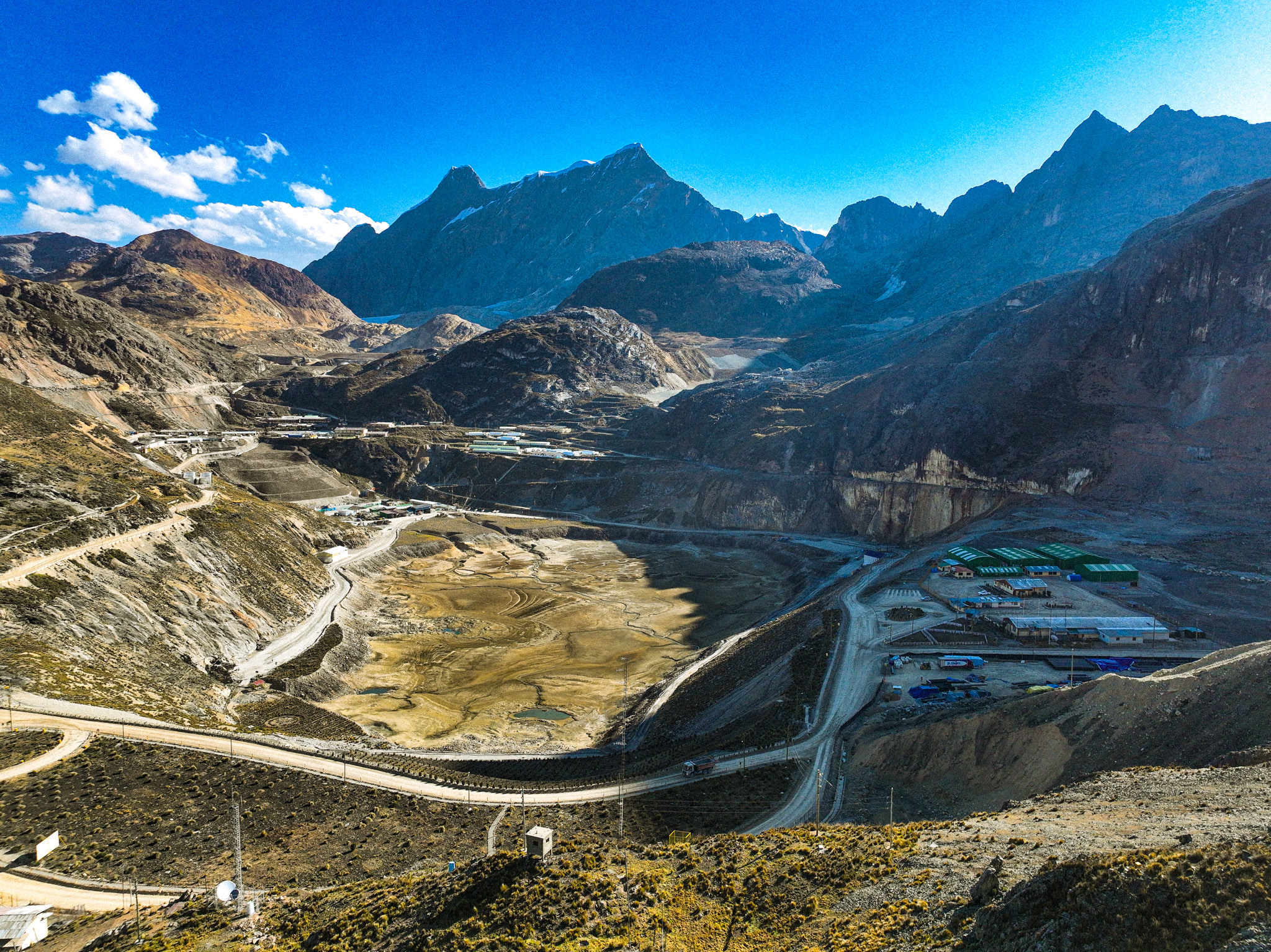
This article aims to show a recent experience of design adaptation during the construction of a heap leach pad located in the Peruvian highlands, where each seasonal transition generated setbacks in both the construction and operation of the pad, with intense rains and runoff being the main critical factors. To control these problems, a sequential water management system was adopted, which operates temporarily in each rainy season, coupled with the growth of the heap leach pad and connected to permanent hydraulic structures to capture and divert runoff from the affected valley.
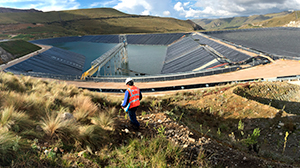
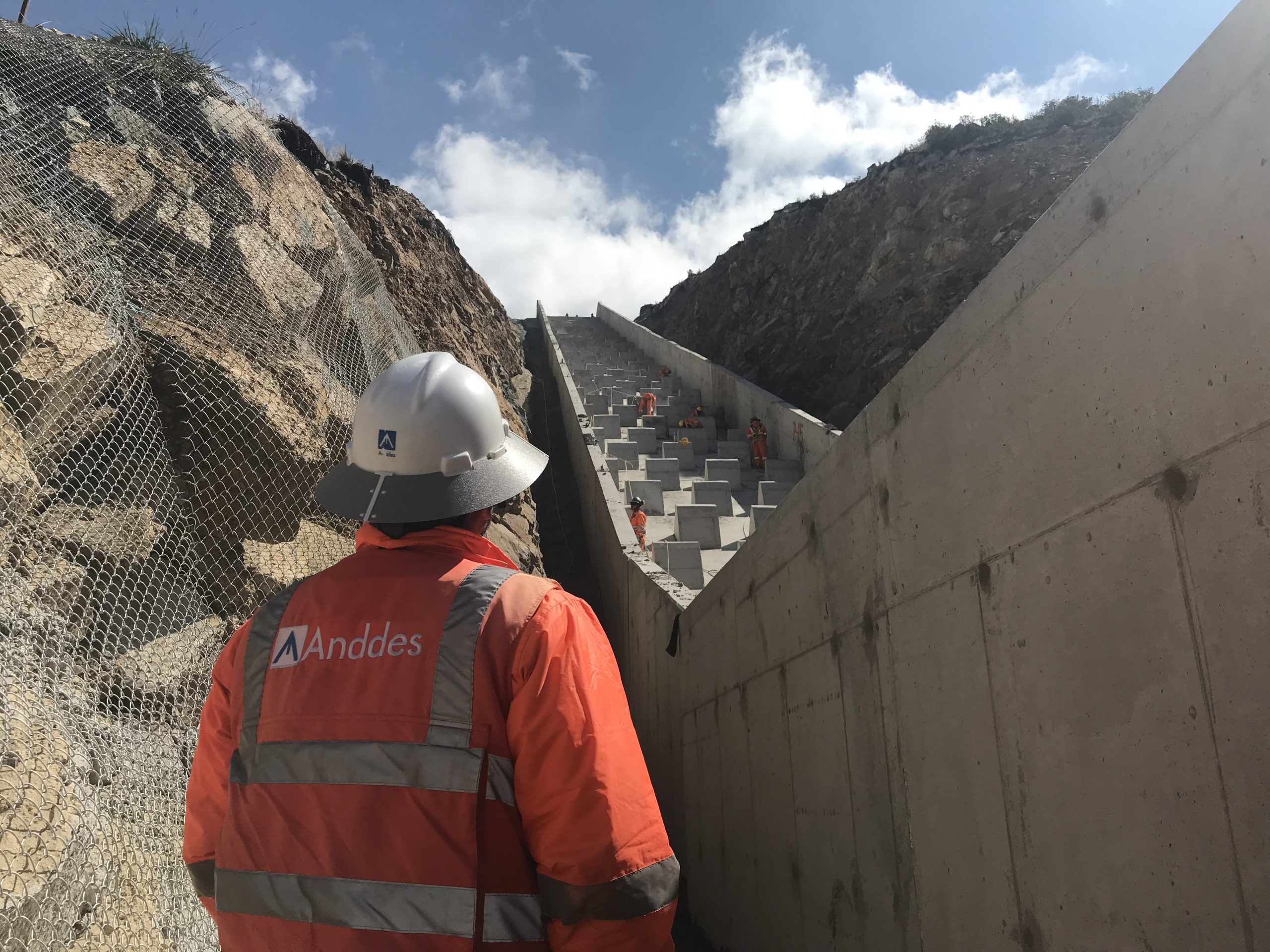
This temporary water management included retention dikes for sediment control, intakes, canals, culverts, energy dissipating ponds and discharges, all lined with geomembrane or stone masonry, considered low-cost and quick-installation temporary linings.
Based on our experience in this type of project, we can conclude that the support of a technical consulting team, both in the construction and operation stages, increases the probability of success, as it allows immediate action and response to unforeseen events in stormwater management, avoiding delays in the construction schedule, reducing costs in drainage infrastructure and earthmoving, avoiding expenses for emergency work and operating costs, and preventing other inconveniences that could affect the operation of the leaching pad and generate economic losses for the mining operation.