
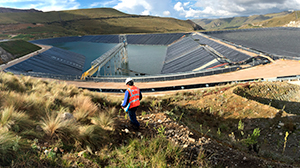
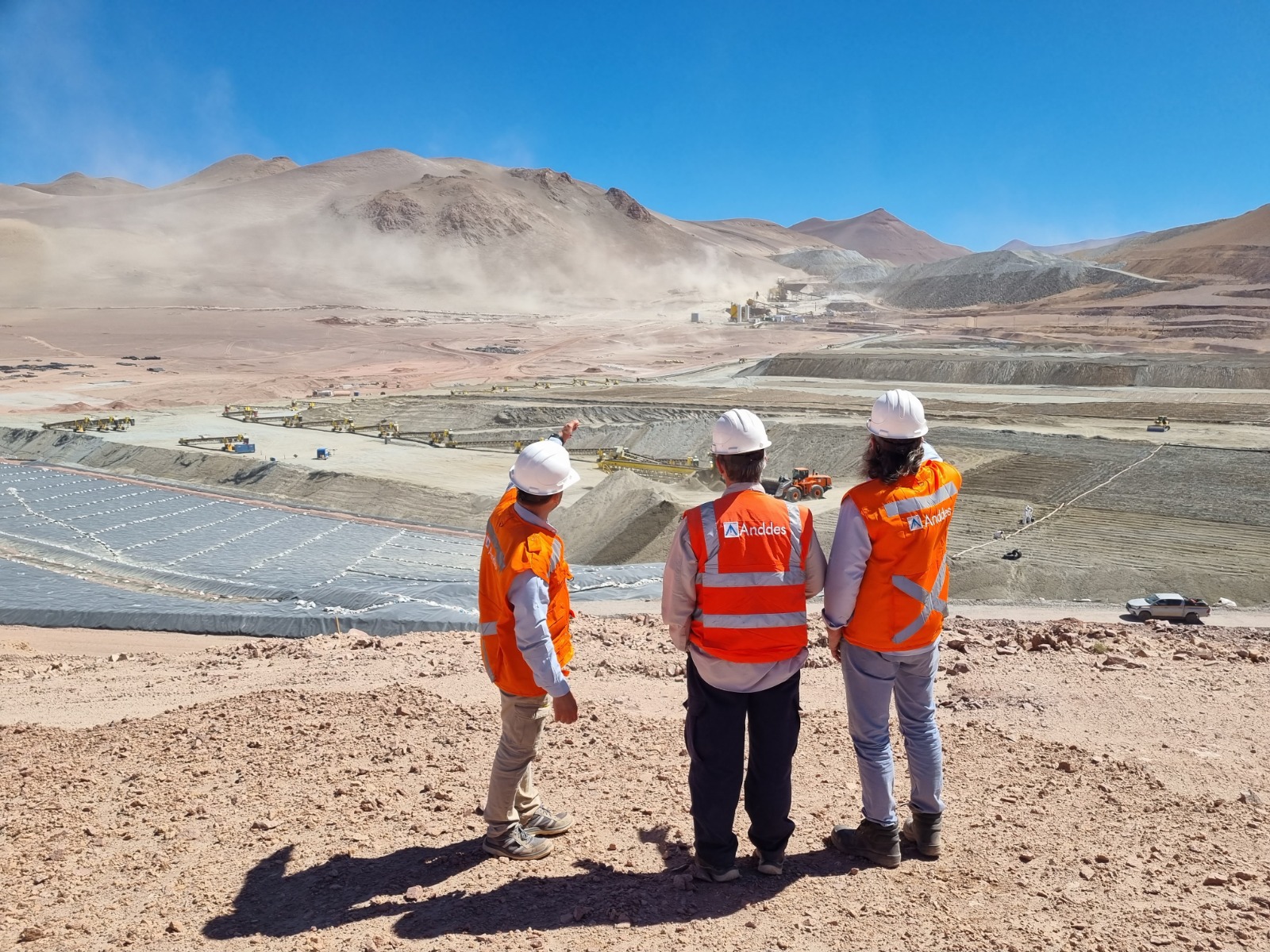
The physical stability of a heap leach pad is a critical aspect of its design, as potential failure surfaces tend to develop along the liner system, tearing the geomembrane and leading to pregnant solution leakage, economic losses, and significant environmental damage. Current geotechnical design practice for heap leach pads typically involves two-dimensional (2D) slope stability analyses using the limit equilibrium (LE) method; critical failure surfaces are generally translational in nature and pass through the liner system.
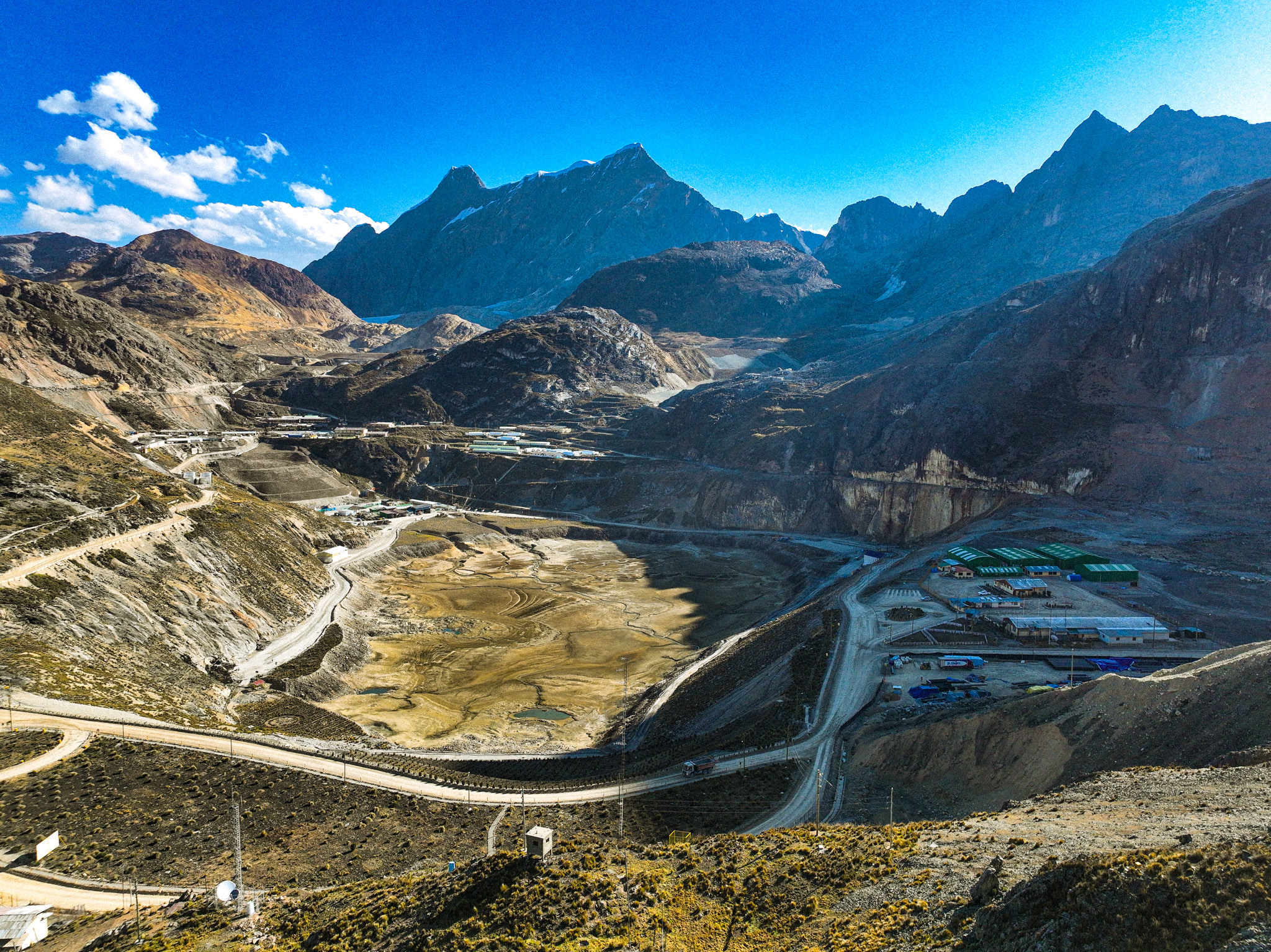
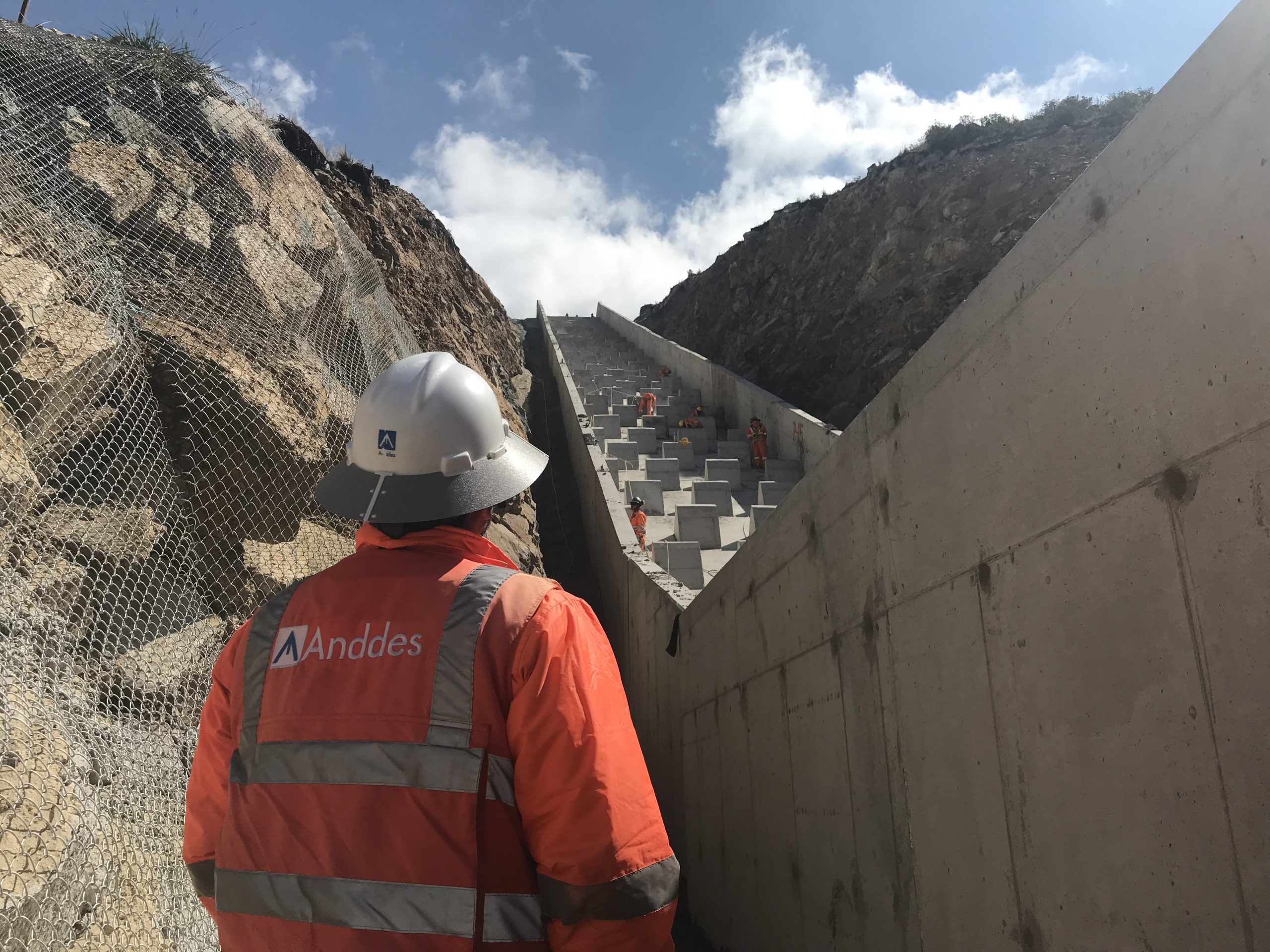
Previous three-dimensional (3D) analyses of translational failures were reviewed, indicating that the “3D effect” is more pronounced in rotational-type failures. To quantify the three-dimensional effects not captured in conventional 2D analyses—and to assess the potential overconservatism of such approaches, along with their associated costs—a 3D model was developed and evaluated for a case study located in aggressive terrain conditions typical of Peru, where 3D effects are expected to be more significant.
Results showed that the Factors of Safety (FoS) increased by 20% to 49% under static conditions and by 74% to 86% under pseudo-static conditions, compared to the minimum FoS obtained from 2D analyses of translational failures. Heap leach pads with complex geometries and irregular topography are common in the Andean region; therefore, even greater differences between 2D and 3D analysis results are anticipated in more complex scenarios.