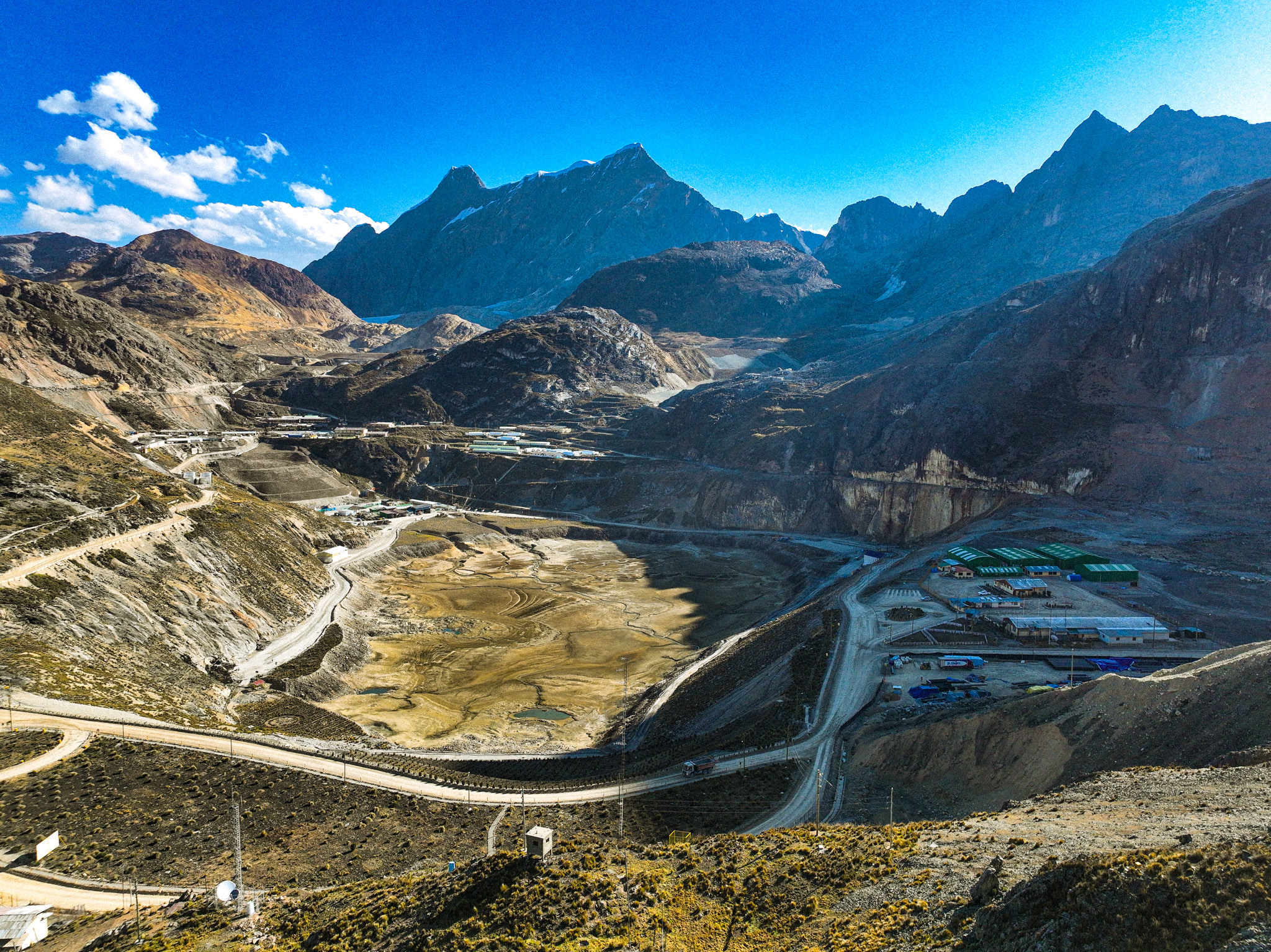
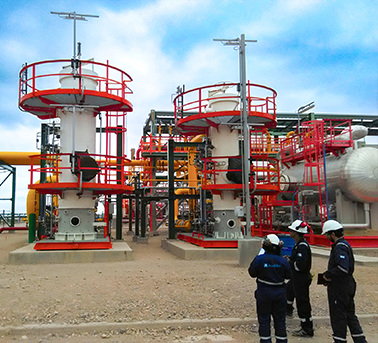
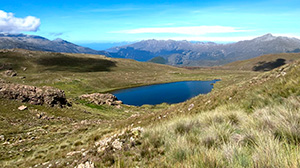
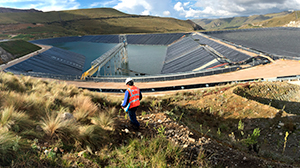
Anddes Argentina collaborated in the preparation of hydrological risk studies for an Oil & Gas industry project. The service consisted of developing specific studies requested by the client over a period of 2 years, elaborating the hydrological risk analysis of certain linear facilities (gas pipelines, oil pipelines, aqueducts, etc.) and concentrated sub-structures (locations, repositories, plants, etc.), both existing and projected. Currently, this service is still being provided to the client.
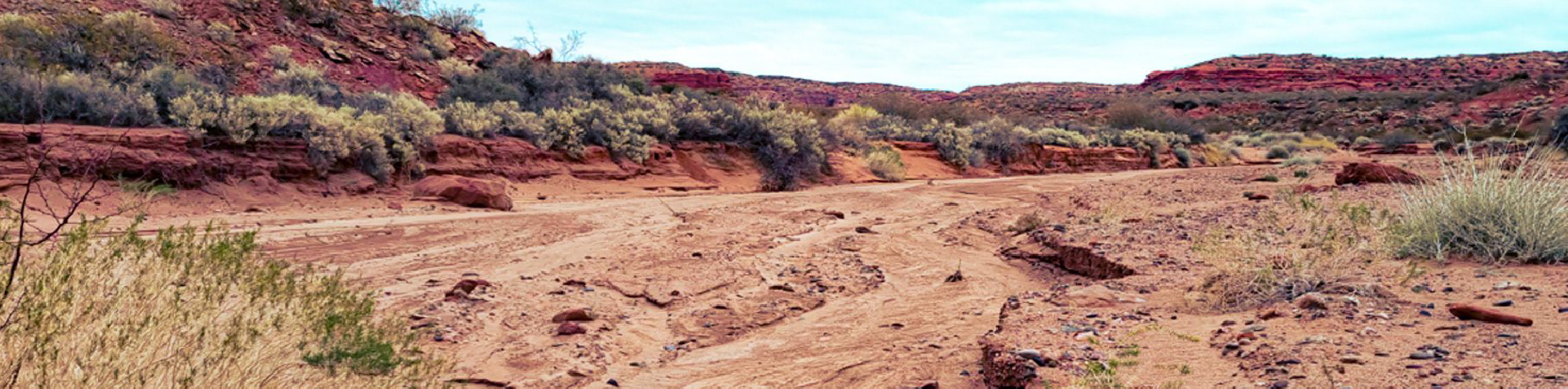
Through the execution of these characterization studies, the technical team of Anddes Argentina, analyzed in detail the hydrological conditions of the installation site area, in order to identify the need to design and develop alluvial mitigation works. These works are designed to protect the infrastructure from the erosive phenomena generated by the behavior of the runoff on the ground, guaranteeing the stability and safety of the services against these natural risks.
The correct development of the hydrological risk analysis required an exhaustive review of the information corresponding to the infrastructure project, for which the following were analyzed:
• Characteristics of the soil, vegetation cover and configuration of the topography.
• Interference in the location area and existing works.
In turn, the analysis of the precipitation records was carried out, which allowed determining the intensity of the precipitations for different recurrence periods and their spatial distribution, so that the results obtained are adjusted as much as possible to the real behavior of the rain events.
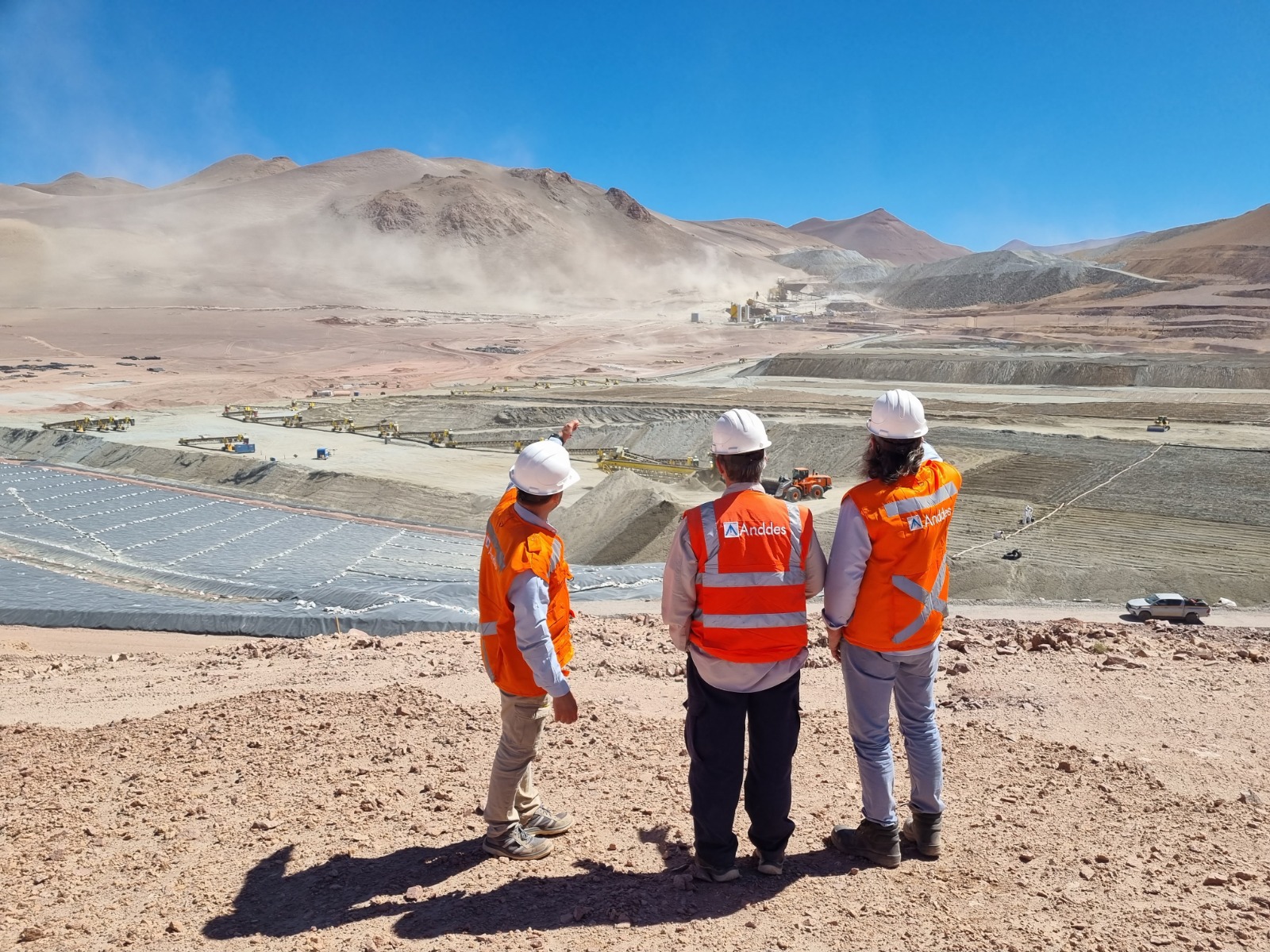
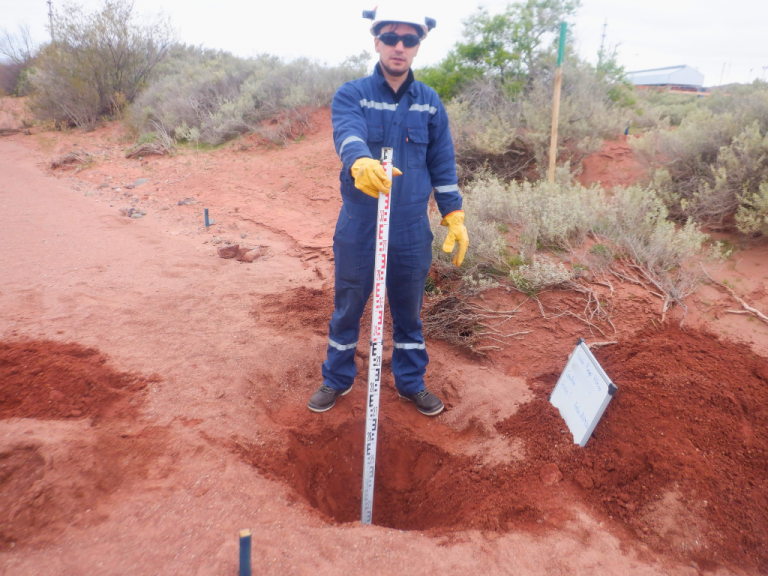
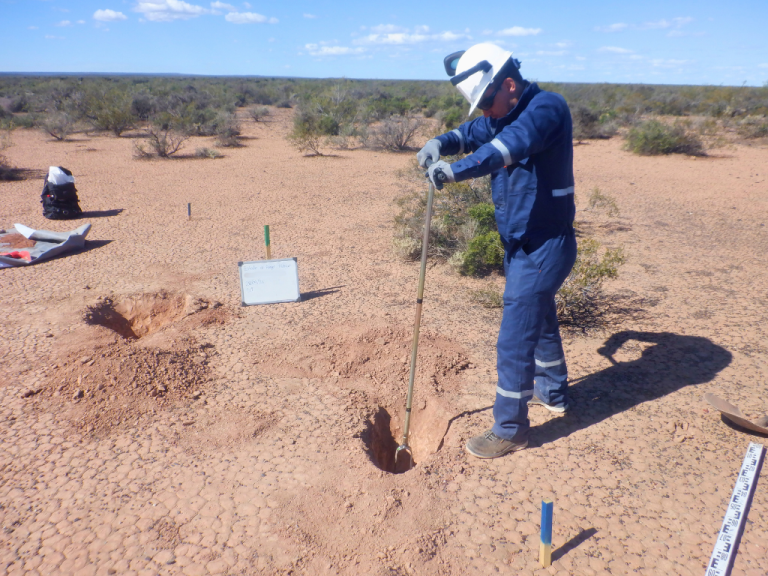
El reconocimiento de las condiciones del sitio requirió, en cada caso particular, de una visita al sitio para relevar en detalle los puntos de interés e identificar puntos de riesgo hídrico en los que se observen evidencias de la incidencia de fenómenos erosivos, intersección de cauces aluvionales o estructuras existentes que interfieren con el comportamiento natural de la escorrentía. Durante estas visitas se tomaron fotografías, las que se adjuntaron en un informe de campo y se utilizaron como punto de partida para analizar en gabinete las cuencas hidrográficas de aporte a los puntos de riesgo hídrico identificados. Además, se tomaron muestras de suelo para su caracterización en el laboratorio de Anddes Argentina.
Luego de la visita al sitio, se realizó la delimitación de cuencas mediante el uso de softwares de Sistemas de Información Geográfica (SIG), que procesan modelos digitales de elevación (MDE). A partir de estos modelos, se definieron los parámetros morfométricos de las cuencas y se procedió a realizar la modelación hidrológica para calcular los caudales de escorrentía producto de las precipitaciones en la zona de estudio.
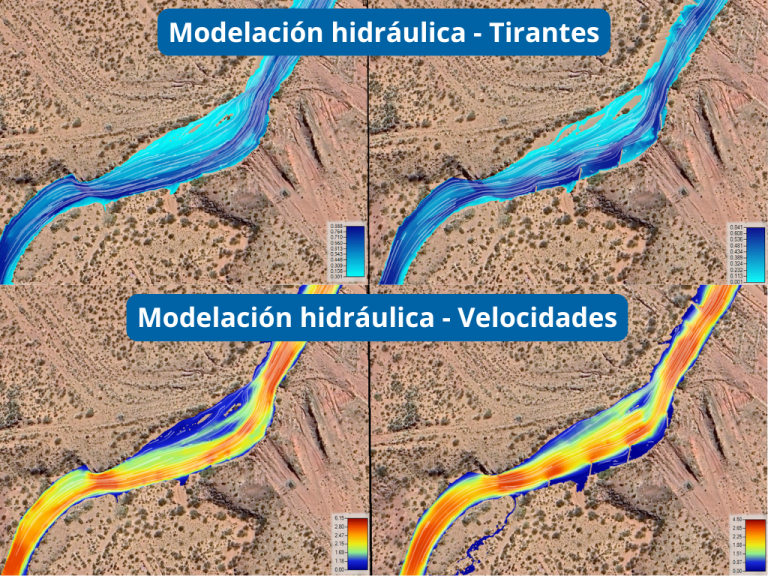
Con los datos obtenidos, para determinar los parámetros de flujo, se desarrollaron modelos hidráulicos en 2 dimensiones que permiten visualizar el comportamiento de la escorrentía sobre el terreno, incluyendo parámetros como la profundidad, dirección y velocidad. Estos modelos son clave para determinar la profundidad de erosión en las proximidades de la infraestructura analizada.
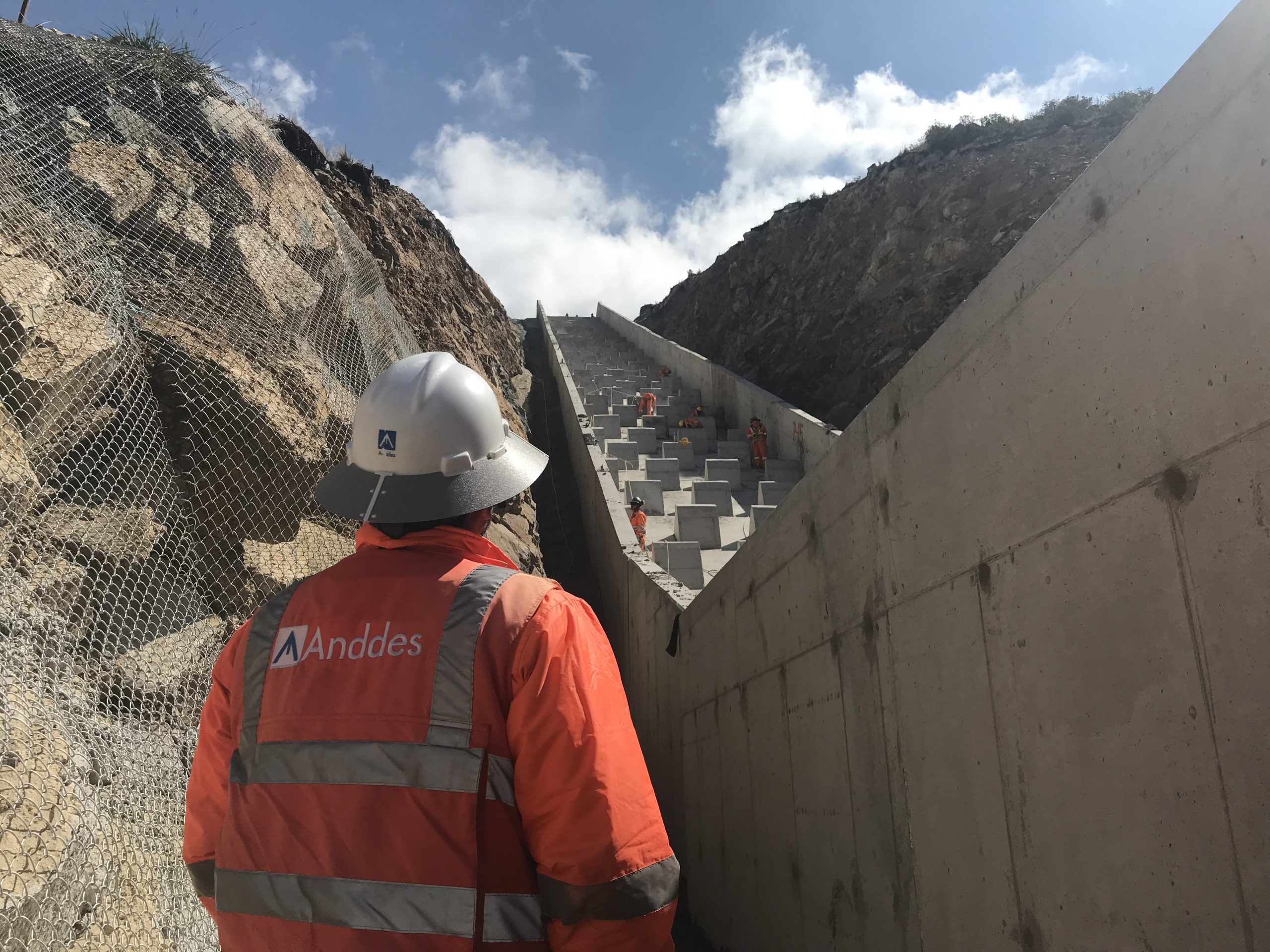
Finally, according to the results obtained, the necessary protection measures were projected, among which we can mention: burying ducts below the minimum cover, channel crossing works that prevent erosion upstream, protection berms, and diversion channels. The definition of the projected works was carried out in consensus with the client, evaluating technical and economic criteria.
The analysis and projects prepared for each installation were presented to the Application Authority, who evaluated the studies carried out and issued the necessary permits for the construction of the proposed works.
To date, Anddes Argentina has carried out more than 50 facility analyses, supporting its clients in complying with the processes required by the authorities, which has allowed them to advance in the construction of key infrastructure for the development of their operations and the maintenance of existing infrastructure.