As part of our interview series with technical leaders at Anddes, we spoke with Joel Gaspar, Head of the Geotechnical Laboratory at Geolab, to learn about his approach to managing a key area that supports decision-making in geotechnical engineering. Joel shares his perspective on quality standards, working with multidisciplinary teams, and the role of technological innovation in laboratory testing.
Quality control and internal procedures
From your role, what are the fundamental principles for ensuring quality in laboratory testing?
From my role, I believe that the quality of testing is mainly based on two key aspects: the technical competence of the personnel and full traceability of the test. Technical competence ensures that every stage—from sample preparation to the delivery of the test report—is carried out with appropriate professional judgment. At the same time, full traceability ensures complete control of the test process, including sample identification, technical records, and equipment calibration and verification. These elements, together with a well-implemented quality management system and compliance with international technical standards (ASTM, AASHTO or ISRM), make it possible to ensure reliable and accurate results for decision-making in geotechnical engineering.
Relationship with Anddes’ technical areas
How is the laboratory’s work coordinated with the geotechnical, geomechanics and field supervision teams?
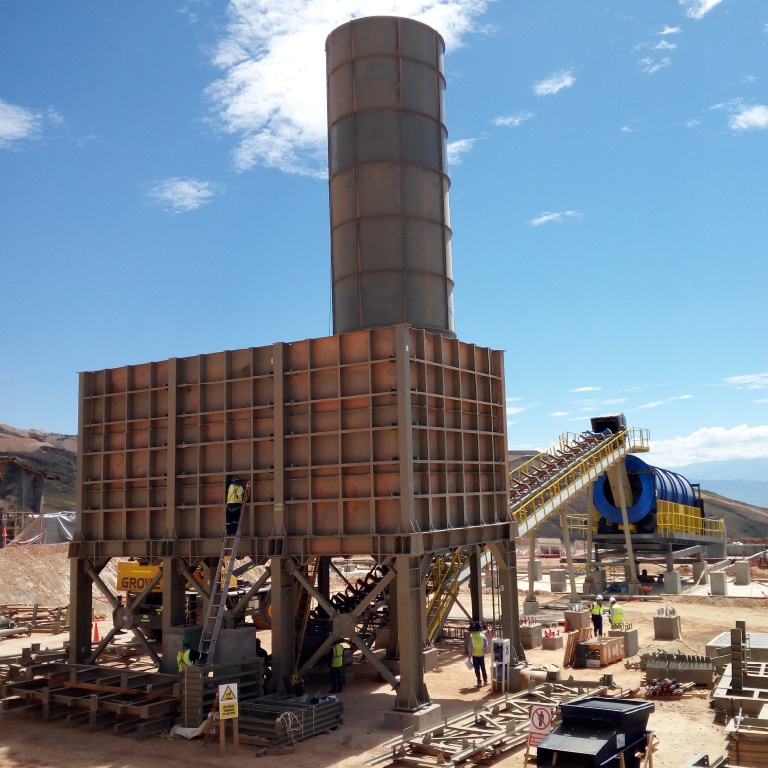
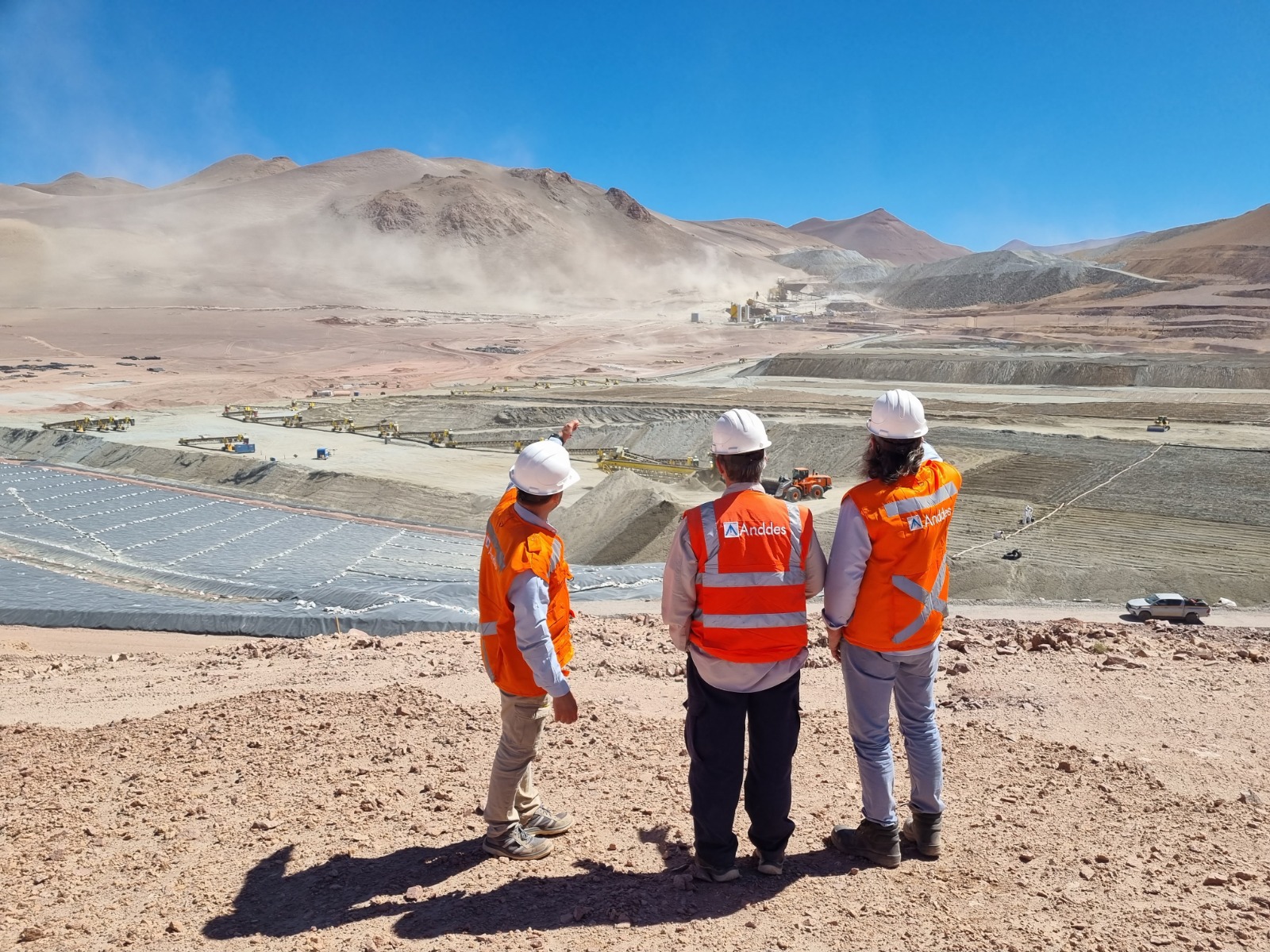
Our role is to provide agile and reliable technical support. We mainly coordinate with the geotechnical, geomechanics and field supervision teams, from test planning through to the issuance of test reports. During execution, we work continuously, providing the necessary technical support and meeting established deadlines. We also maintain constant feedback, which allows us to contribute to continuous improvement within Anddes.
Innovation and continuous improvement
How important is technology in the evolution of the laboratory and how are you integrating it?
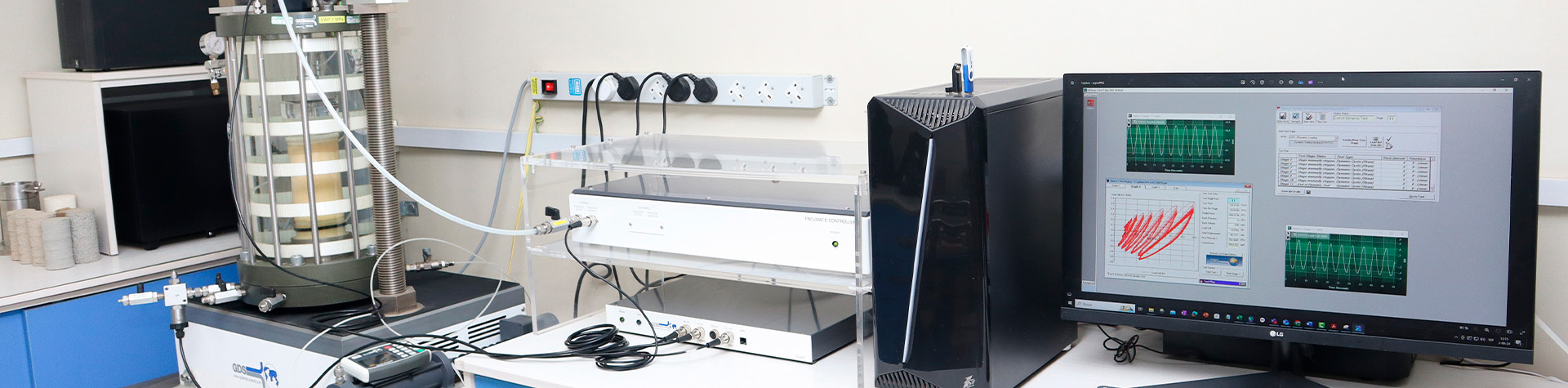
Technology is one of the main pillars of the Anddes laboratory. We are committed to the development and innovation of our own equipment and to the automation of our processes based on our operational needs. We are constantly working on the implementation of new tests; recently, we have incorporated infiltration-induced consolidation tests and triaxial tests for the determination of the critical state line, among others. In addition, one of our strengths is our ability to adapt to the different project requirements in order to represent field conditions as accurately as possible.
Resource management and technical training
How do you ensure that the laboratory team demonstrates a high level of technical competence?
We have a team of highly experienced professionals, but we know that continuous training is essential. For this reason, we conduct regular internal training sessions and assessments, both theoretical and practical. We also frequently participate in national and international conferences, which allows us to stay at the forefront of laboratory testing. Finally, we foster a collaborative working environment to support our continuous improvement.
Contribution to projects and future vision
From your experience, how does the laboratory add value to the services offered by Anddes?
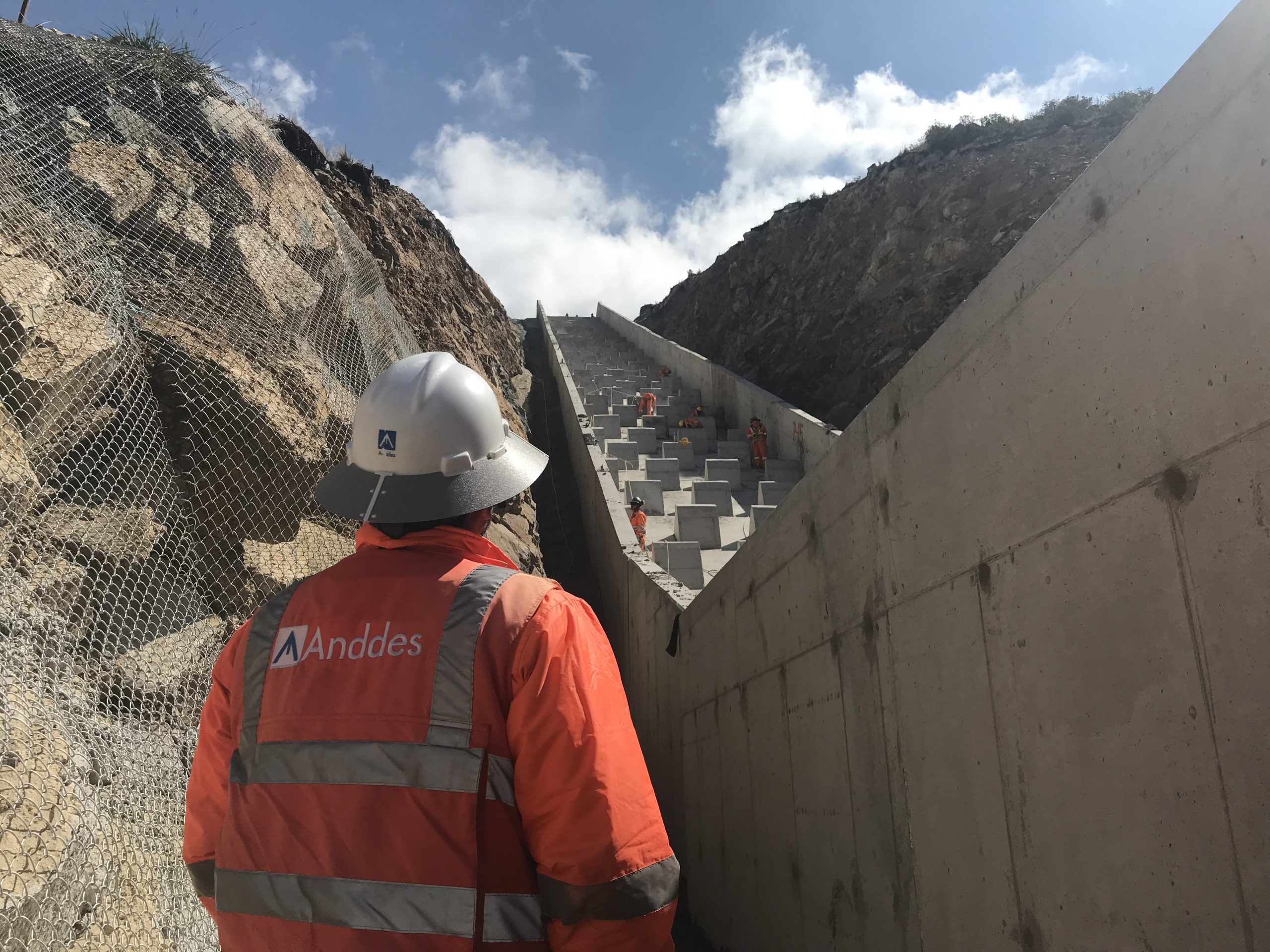
The laboratory adds significant value to Anddes’ services, as it provides reliable results that make it possible to develop a more representative geotechnical model of the study area and to reduce uncertainty in the analyses, resulting in safer and more efficient designs. In addition, these results allow verification of compliance with the project’s technical specifications, ensuring that each stage of the project is executed in accordance with the highest quality standards required by Anddes.