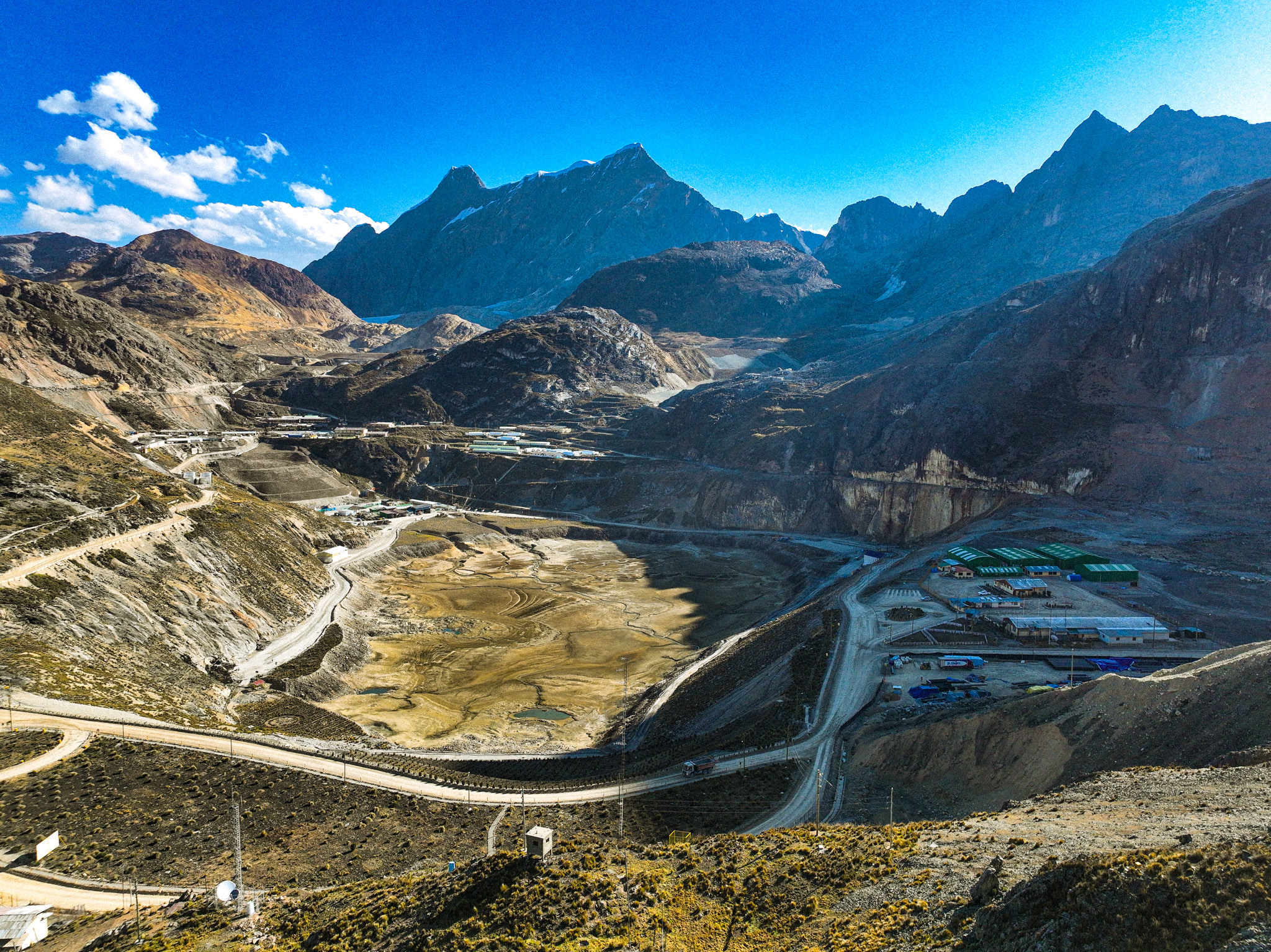

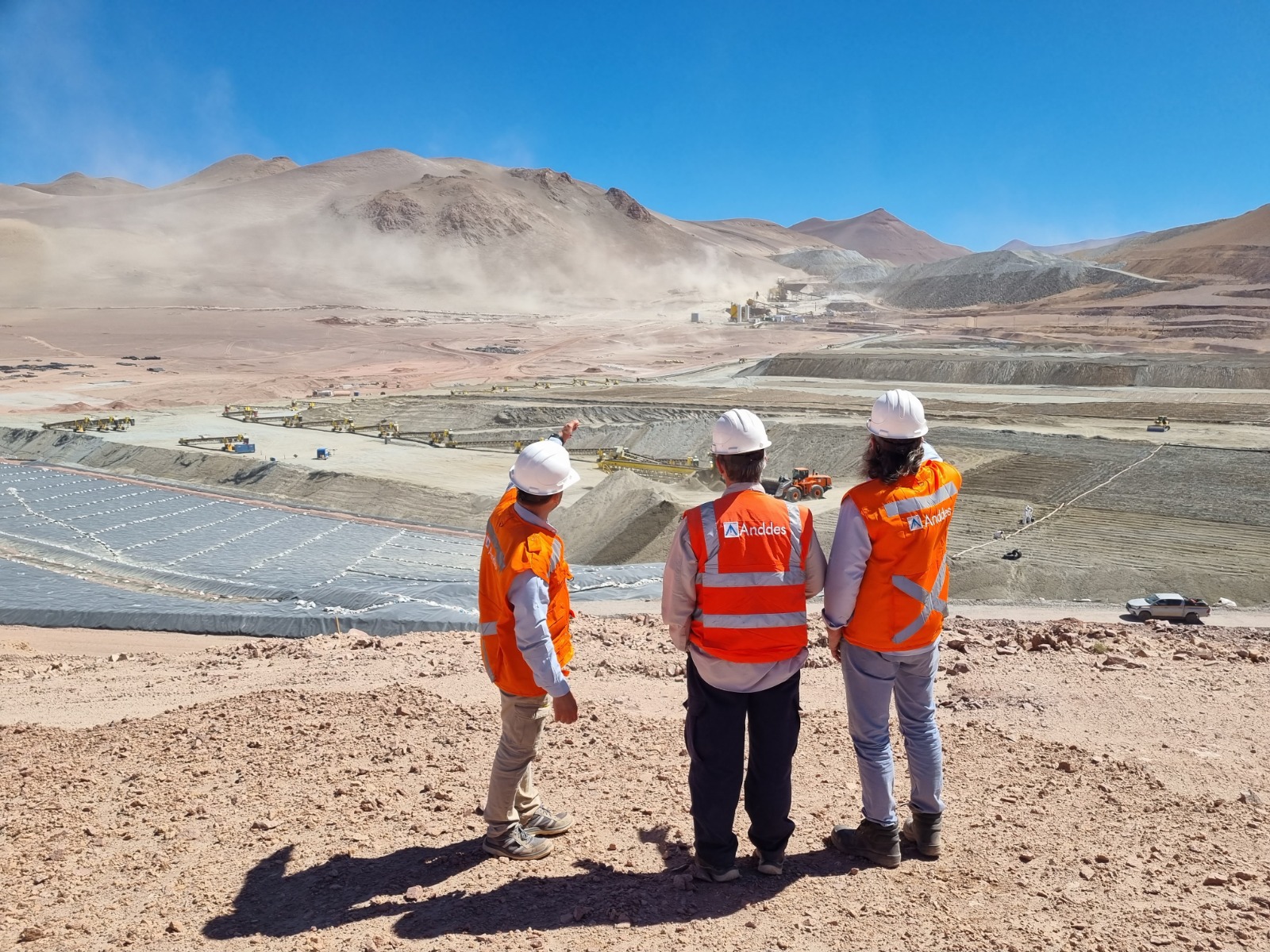
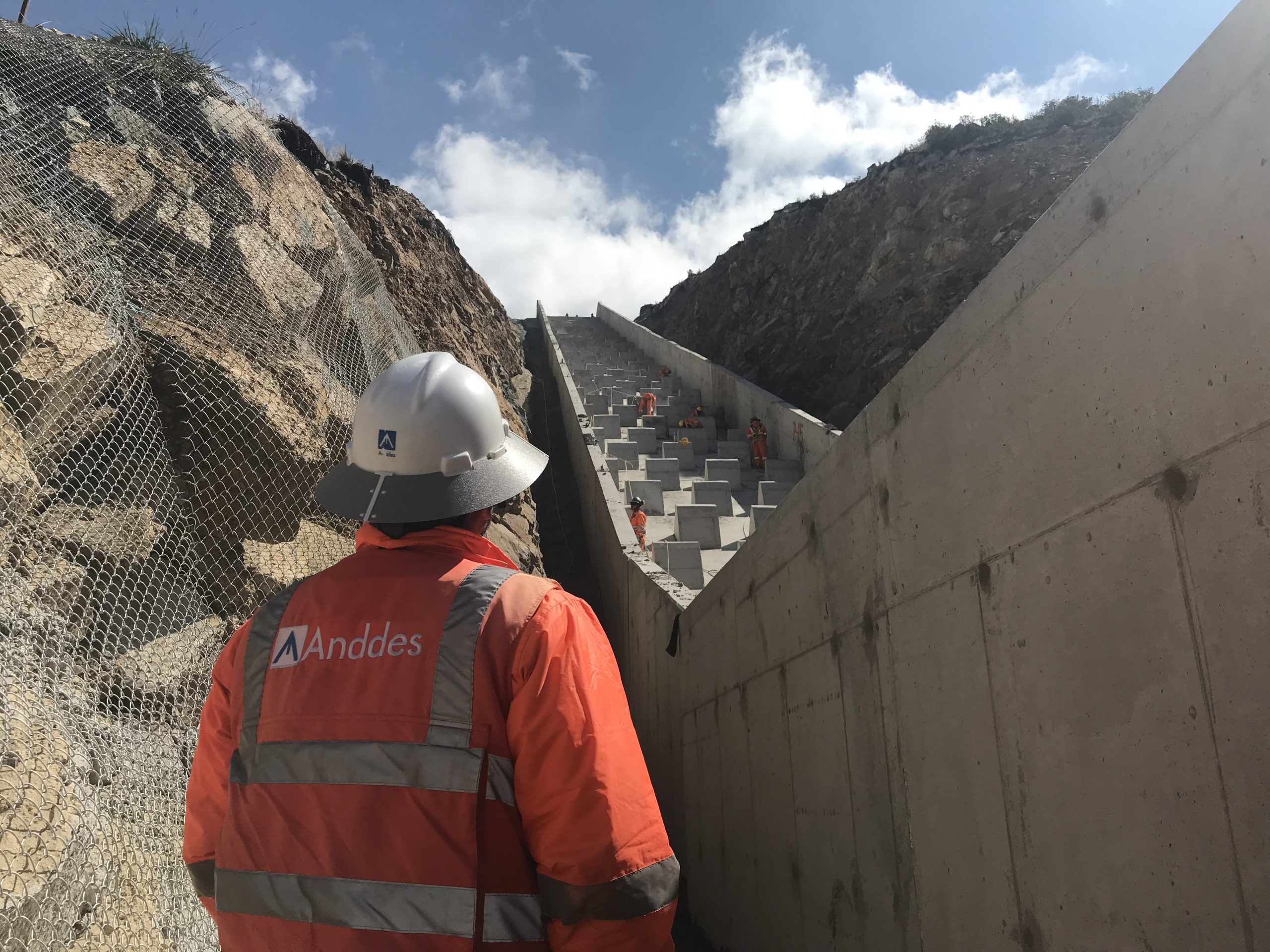
Heap leach pads are mining structures designed for the extraction of valuable metals through hydrometallurgical processes associated with solution irrigation. However, when these structures are located in highly seismic regions, such as western South America, their geotechnical design must be particularly rigorous and consider even undrained conditions. Therefore, accounting for both short-term undrained shear strength induced by solution irrigation and residual shear strength under post-seismic conditions is crucial. In this context, this study aims to characterize the undrained and residual geotechnical behavior of leached ore with a high fines content, thereby providing technical criteria for a robust design framework that considers critical conditions during heap leach operations. These mechanical properties were estimated through the interpretation of CPTu results obtained after solution irrigation, combined with complementary laboratory testing, including monotonic triaxial compression and post-cyclic monotonic simple-shear tests. The results indicate that, in the short term and following solution irrigation of the heap lifts, the ore in some zones of the heap exhibits contractive behavior as a result of increased pore-water pressures induced by solution infiltration. Several months later, once drainage has occurred, the ore transitions to dilative behavior. Consequently, the contractive or dilative response of the ore during heap leach operation is governed by its drainage capacity. In addition, the interpretation of field and laboratory data allowed the evaluation of empirical correlations used to estimate the peak friction angle, undrained shear strength, and residual shear strength of the ore, as well as irrigation influence on these parameters. These findings highlight the importance of adopting stage-dependent geotechnical parameters corresponding to the different operational and design phases of heap leach pads.