Denys Parra
Executive Director
Client: Ariana Operaciones Mineras SAC
Junín, Perú
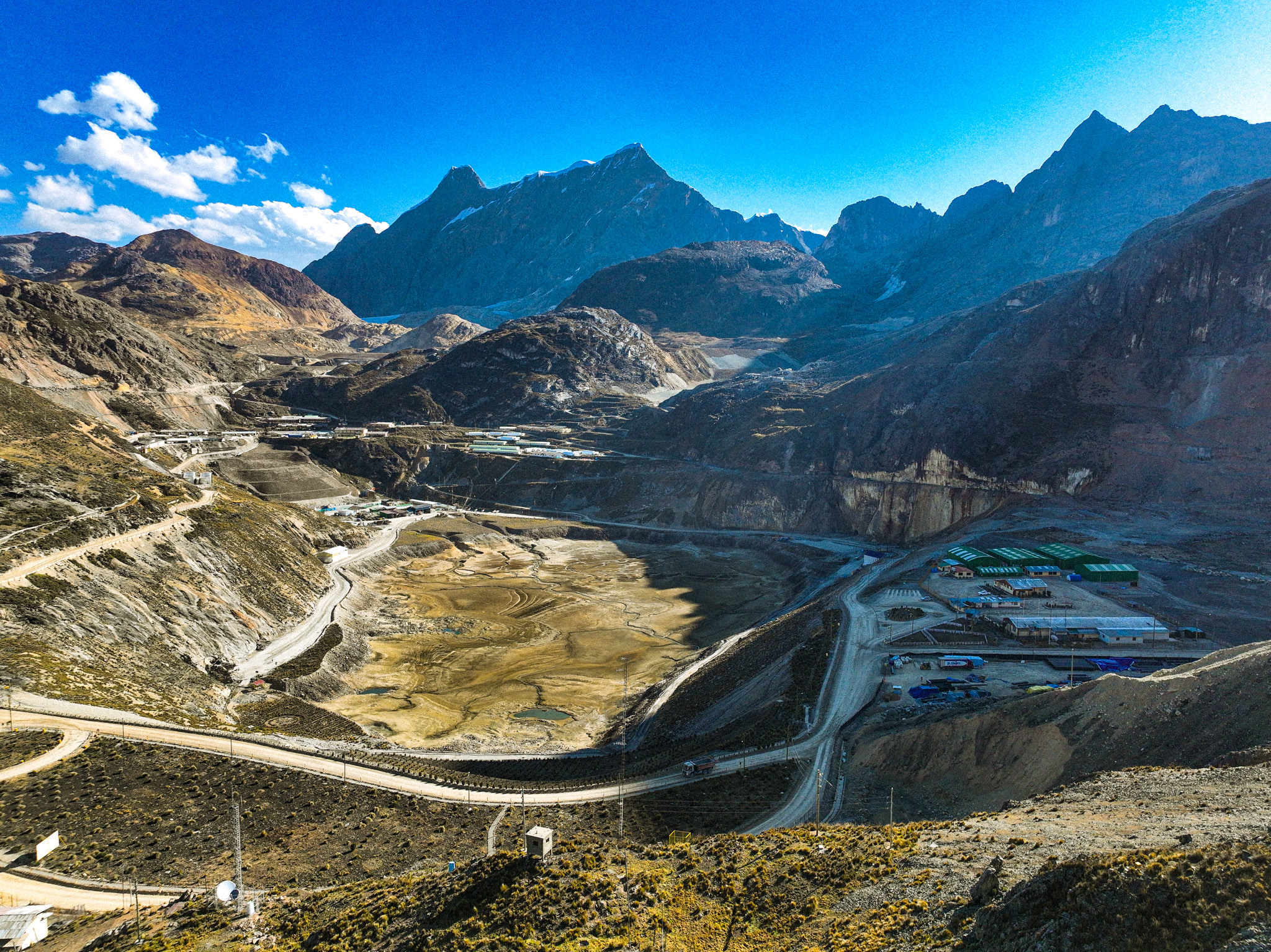
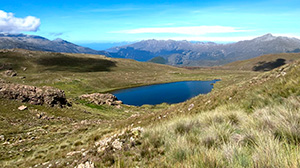
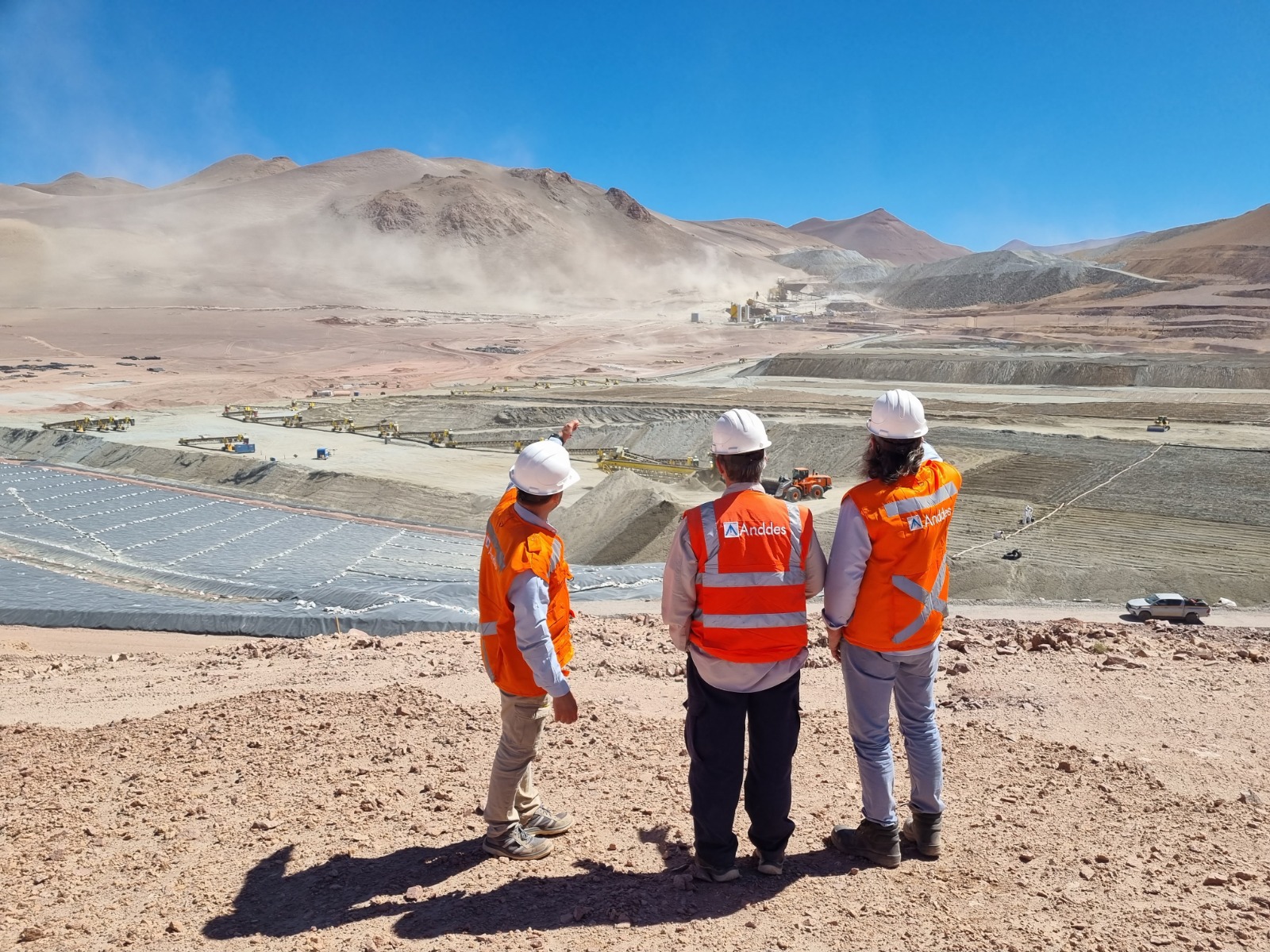
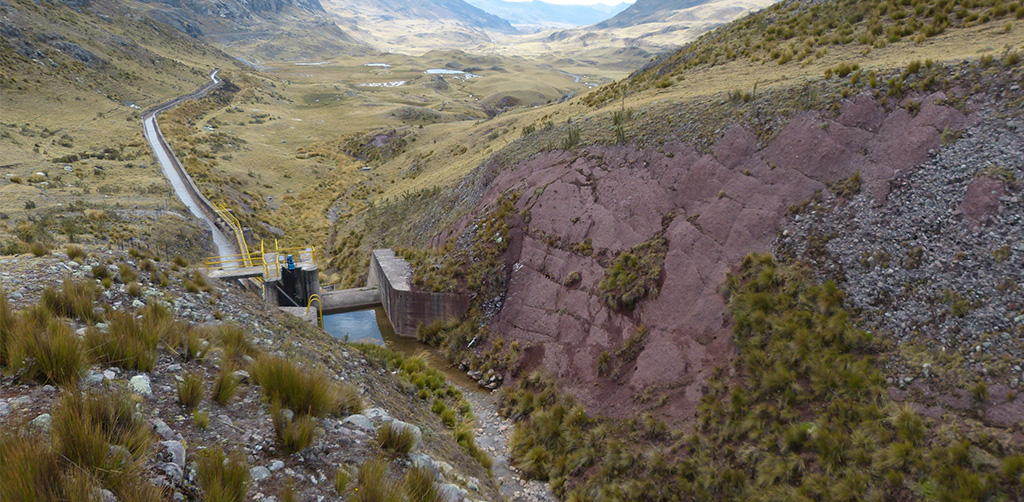
The Ariana Project is a polymetallic mining operation located in Yauli Province, Junín Region, within the prolific polymetallic belt of central Peru.
Situated at elevations ranging between 4,500 and 5,000 meters above sea level (m.a.s.l.), the project extracts copper, zinc, gold, and silver, positioning it as a key contributor to regional economic development.
The site is located approximately 45 km from the Central Highway, providing logistical access while presenting significant engineering challenges associated with high-altitude conditions and complex mountainous terrain.
The Ariana Project presented substantial technical, geotechnical, and operational challenges driven by its altitude, geological conditions, and infrastructure requirements:
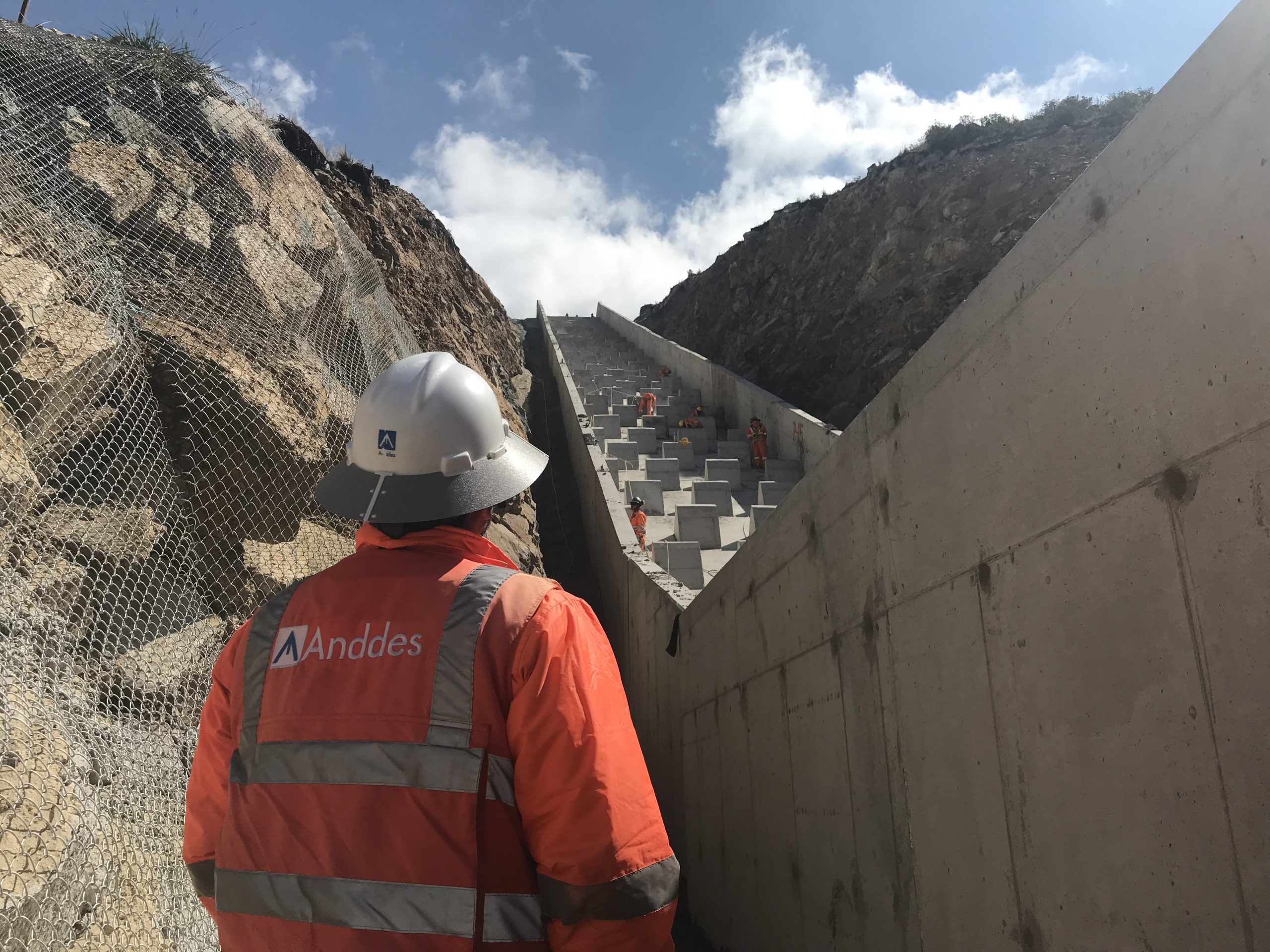
Design and construction of critical infrastructure in difficult-access terrain under extreme high-altitude conditions.
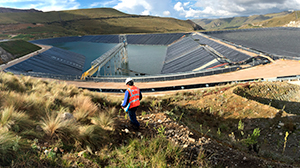
Development of a safe, efficient, and sustainable Tailings Storage Facility (TSF) within a complex geotechnical setting.
Implementation of lining systems in fractured foundation zones to control seepage.
Integration of seismic hazard considerations into structural and geotechnical design.
Optimization of construction costs while maintaining strict quality control standards.
Anddes delivered a multidisciplinary engineering solution integrating geotechnical, seismic, hydraulic, and construction management expertise.
Trade-off analysis for the optimal location of the Tailings Storage Facility (TSF) and Waste Rock Dump (WRD), based on technical, environmental, and operational criteria.
Feasibility-level engineering of the TSF in compliance with NI 43-101 reporting standards, ensuring technical robustness and transparency.
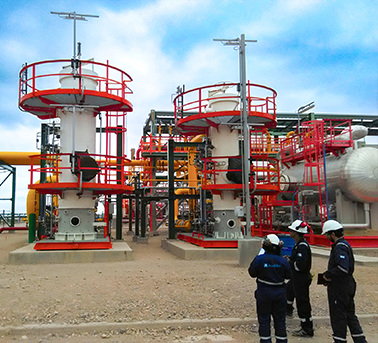
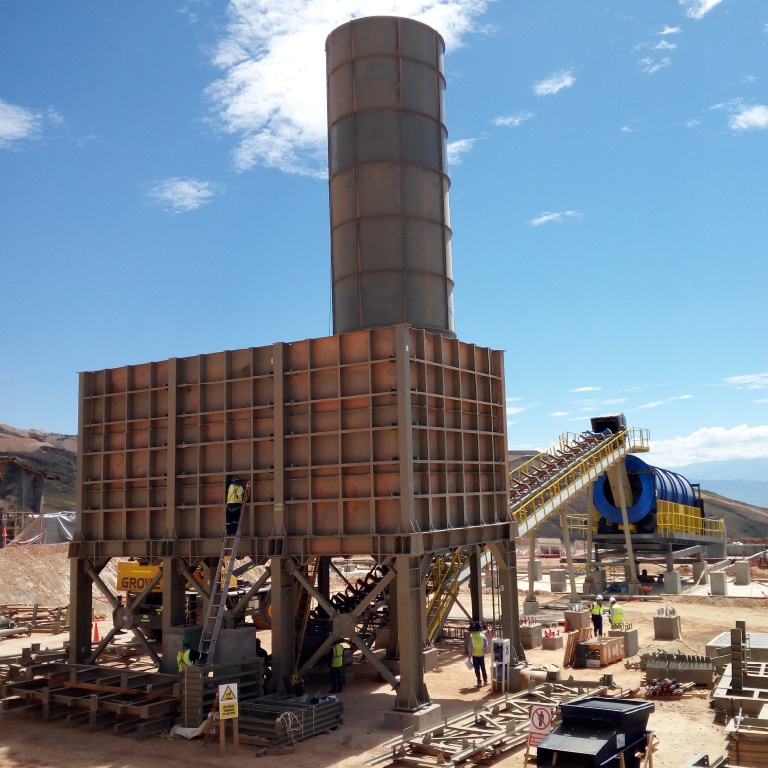
Geotechnical foundation studies for critical concentrator plant equipment, adapting structural design to local subsurface conditions.
Dam break analysis for the projected containment structure and development of a conceptual-level emergency response framework.
Basic engineering design of lining systems for fractured foundation zones within the TSF footprint.
Seismic refraction surveys to determine the thickness and characteristics of the lacustrine soil layer beneath the TSF.
Site-specific seismic hazard assessment to define design ground motions and mitigation measures.
Engineering refinement of the TSF perimeter channel incorporating sustainable closure criteria.
Technical construction management overseeing equipment rental and civil contractors to ensure cost efficiency and schedule adherence.
Construction Quality Assurance (CQA) and health and safety supervision aligned with industry best practices.
Early integration of seismic and geotechnical risk assessments to ensure long-term structural stability.
Design and implementation of engineered lining systems to protect groundwater and surface water resources.
Cost optimization through alternative evaluation without compromising safety or performance standards.
Incorporation of sustainable closure criteria to ensure adaptability to future environmental and operational conditions.
Anddes’ participation enabled significant technical advancement of the Ariana Project during its development phase.
Comprehensive geotechnical and seismic definition of the Tailings Storage Facility, ensuring long-term physical stability.
Construction cost optimization through systematic evaluation of engineering alternatives.
Compliance with international technical disclosure standards (NI 43-101), supporting project transparency and bankability.
Implementation of effective lining systems minimizing environmental risk.
Strong occupational health and safety performance throughout construction oversight activities.
The Ariana Project reinforced several critical engineering principles applicable to high-altitude polymetallic operations:
Early integration of seismic hazard assessment and geotechnical investigation is essential for long-term infrastructure resilience.
Lining system design and foundation characterization are critical in fractured or heterogeneous geological environments.
Proactive cost optimization and disciplined contractor management are fundamental to maintaining budget and schedule control.
Robust Construction Quality Assurance (CQA) programs are indispensable for the long-term performance of Tailings Storage Facilities.