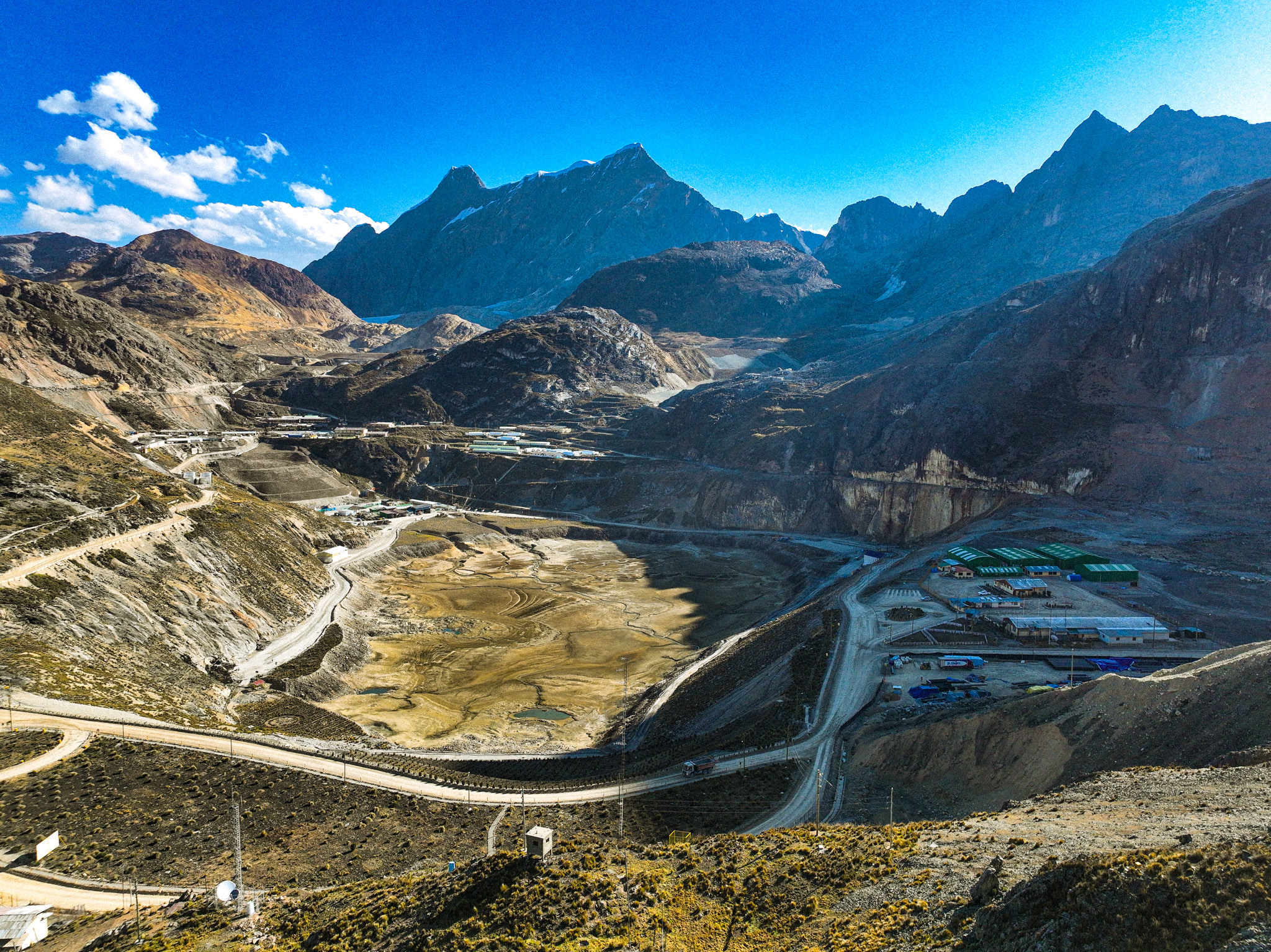
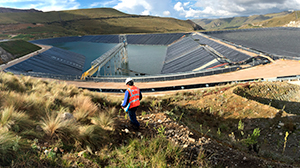
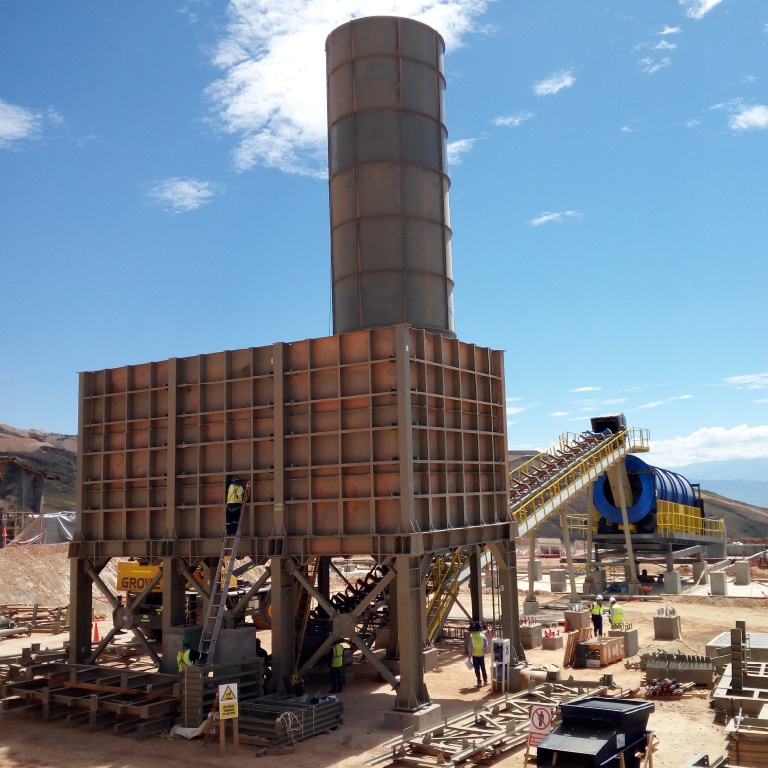
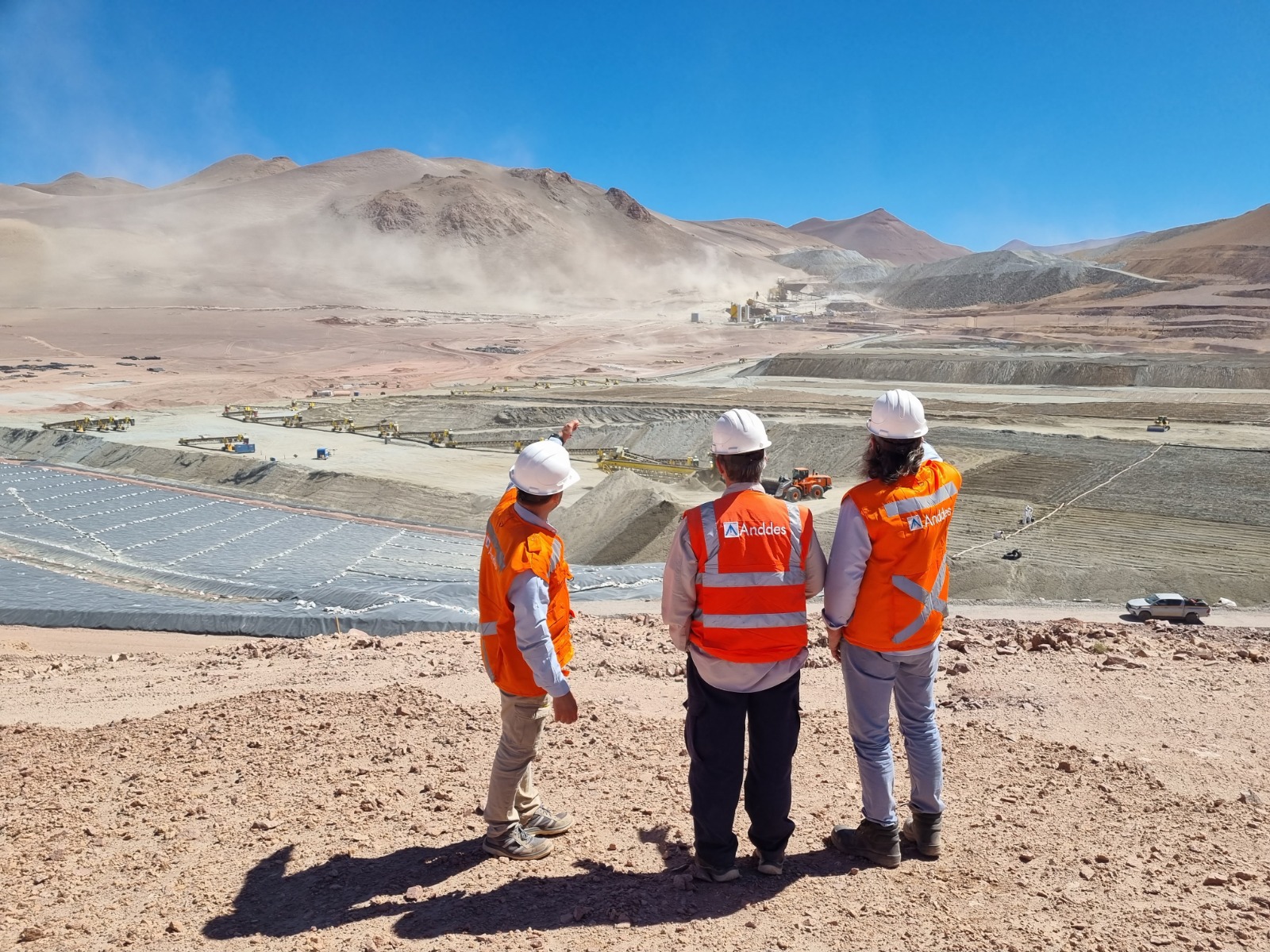
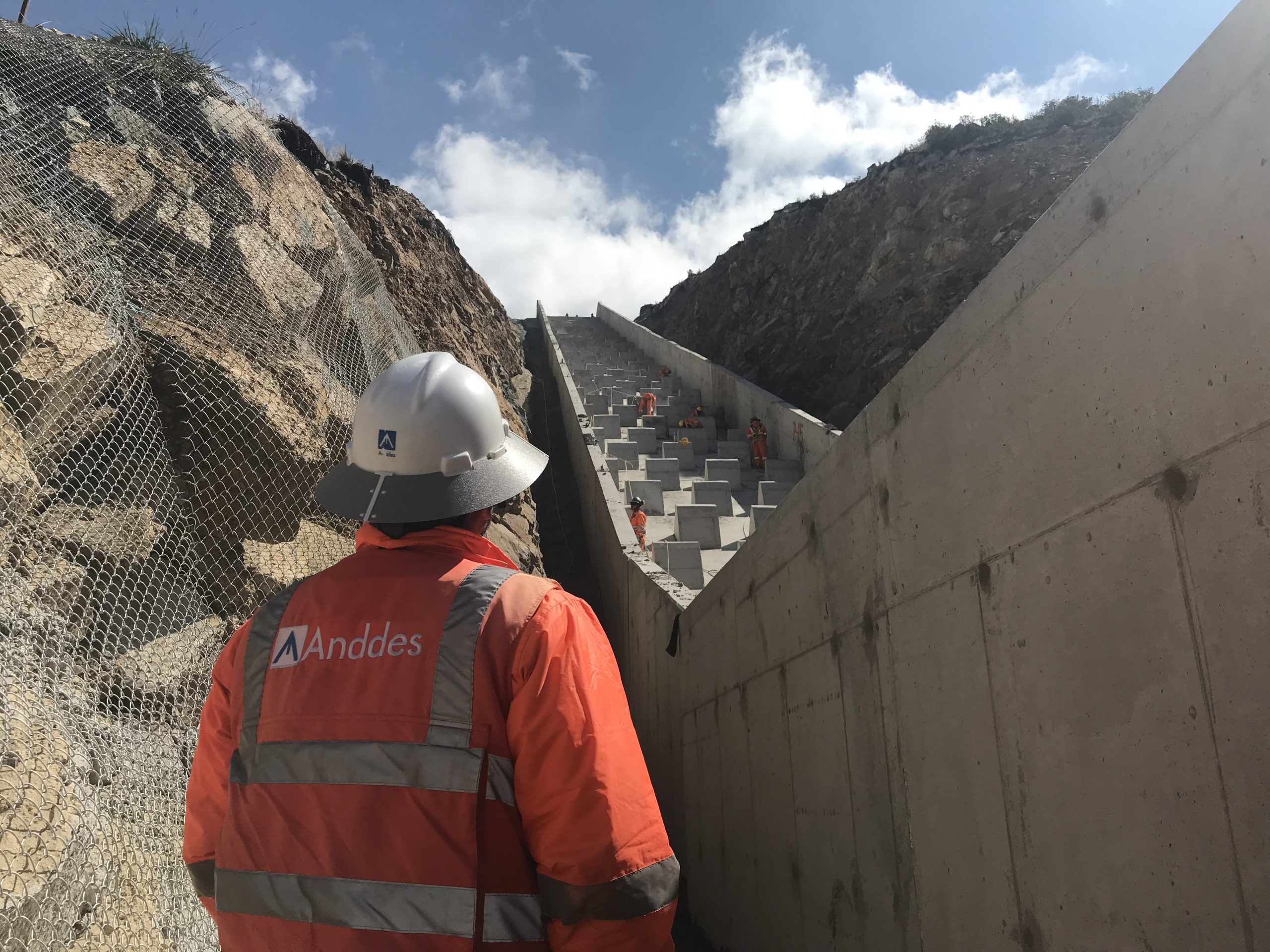
The design of heap leach pads in regions where terrain characteristics are particularly aggressive is carried out using the valley fill method. In Peru, most heap leach facilities are designed and built using the valley fill method; many of these facilities are located in very aggressive terrain. Valley fill heap leach pads have also been used in very aggressive terrain in Argentina, Mexico, Colombia, Indonesia, and the Philippines. The design of valley fill heap leach pads in aggressive terrain results in high construction costs in most cases for several reasons. Earthmoving accounts for up to 70% of total project costs in some cases. Other costs arise from the need for earthmoving optimization and surface leveling for the placement of soil liners and geomembranes; there is also significant settlement when a massive fill platform is used or a weak foundation remains, requiring pre-tilting to compensate for settlement. Difficulties in placing the soil liner necessitate the use of geosynthetic clay liners (GCLs) where the soil liner cannot be placed. Geomembrane liner installation is complex on very steep slopes, and this complexity necessitates ensuring an efficient drainage collection system. Other costs are associated with the design of intermediate benches in cut areas for GCL installation and the reduction of leaching areas in early lifts in narrow valleys, which compromises initial mine production due to insufficient pile irrigation. This article presents experiences in the design and construction of heap leach pads in very aggressive terrain and considers technical criteria developed specifically for these conditions. These criteria have been successfully applied to heap leaching projects in Peru and also in Argentina, Mexico, and Colombia.