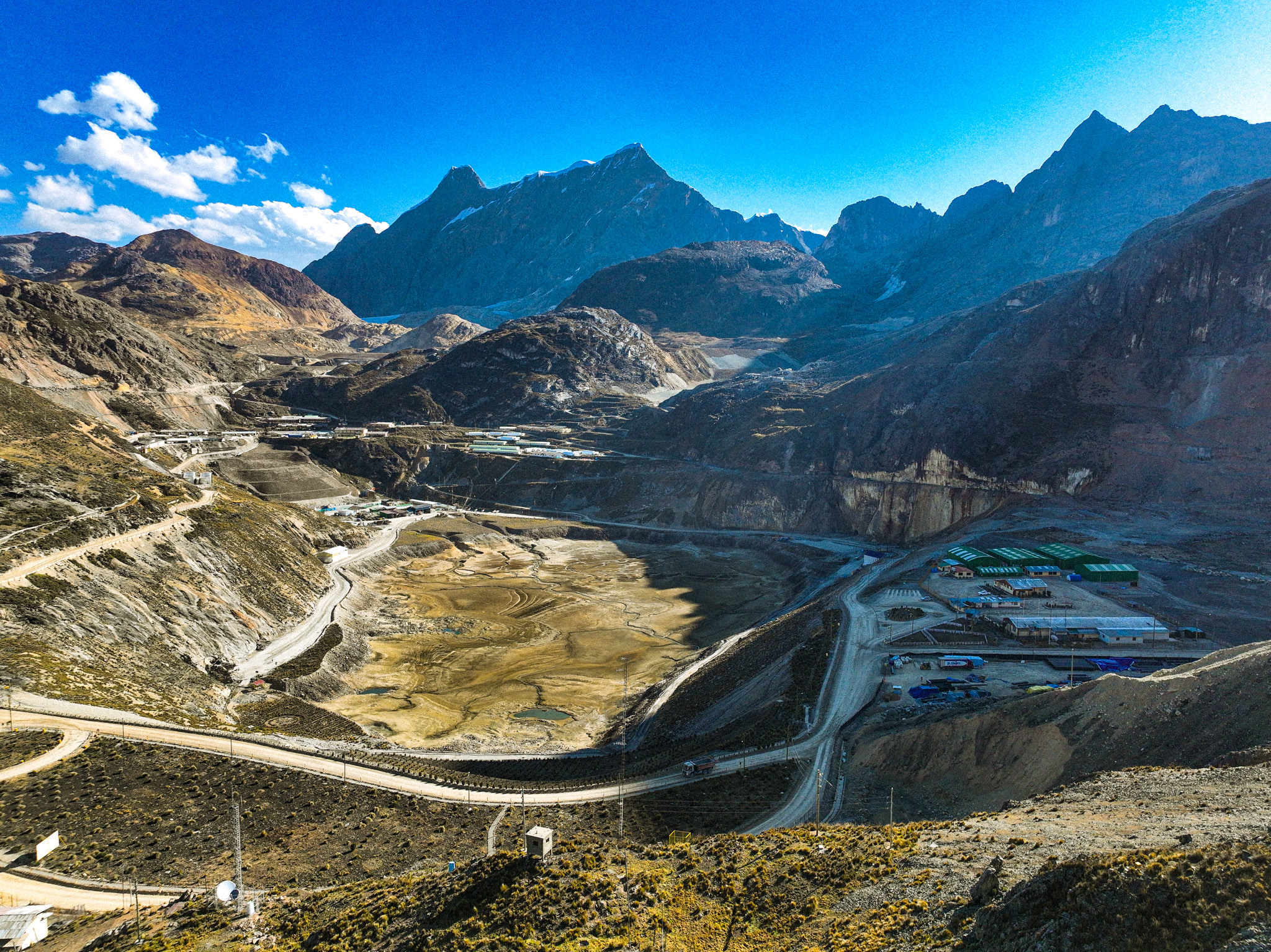

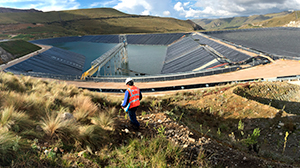
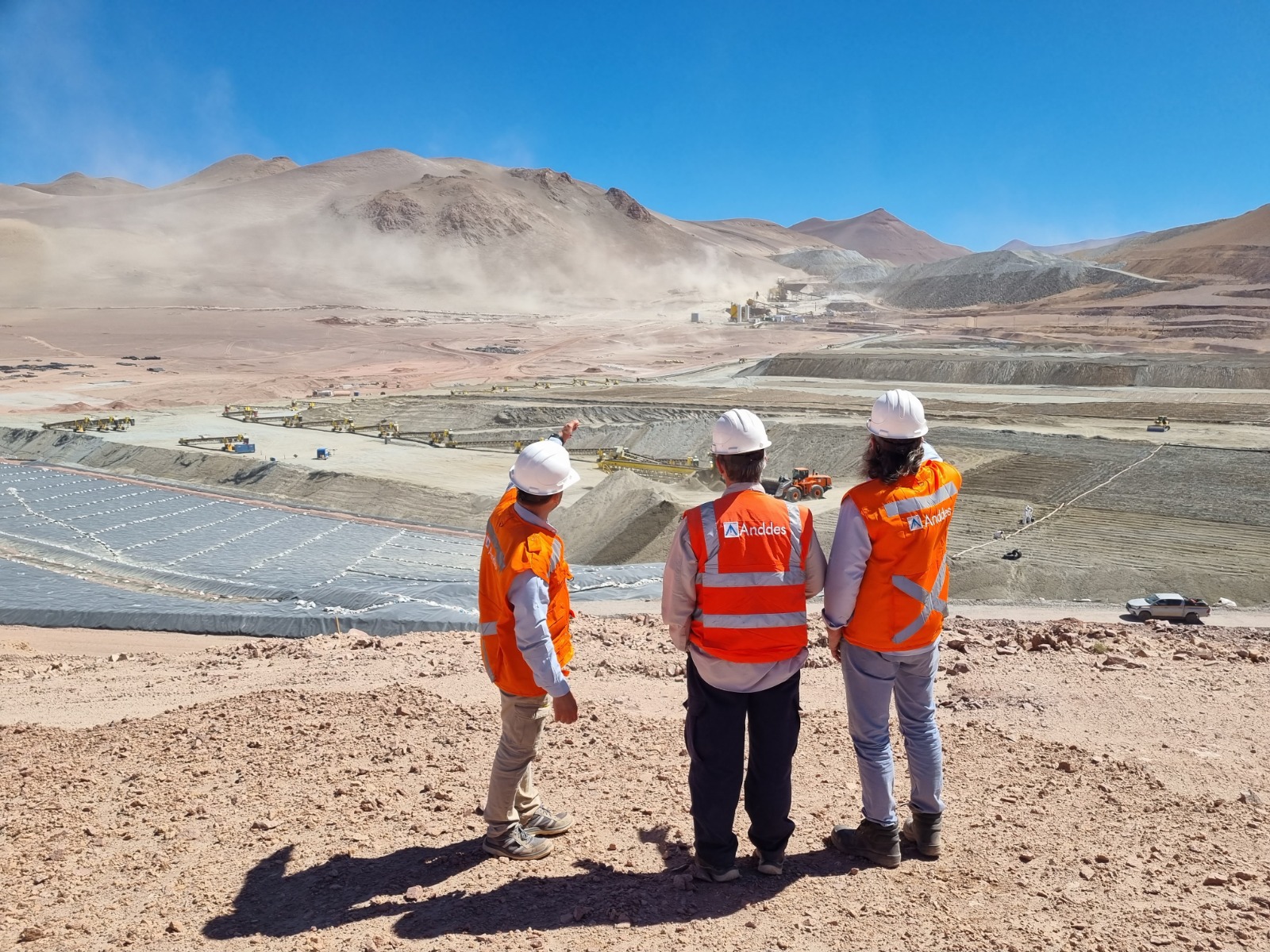
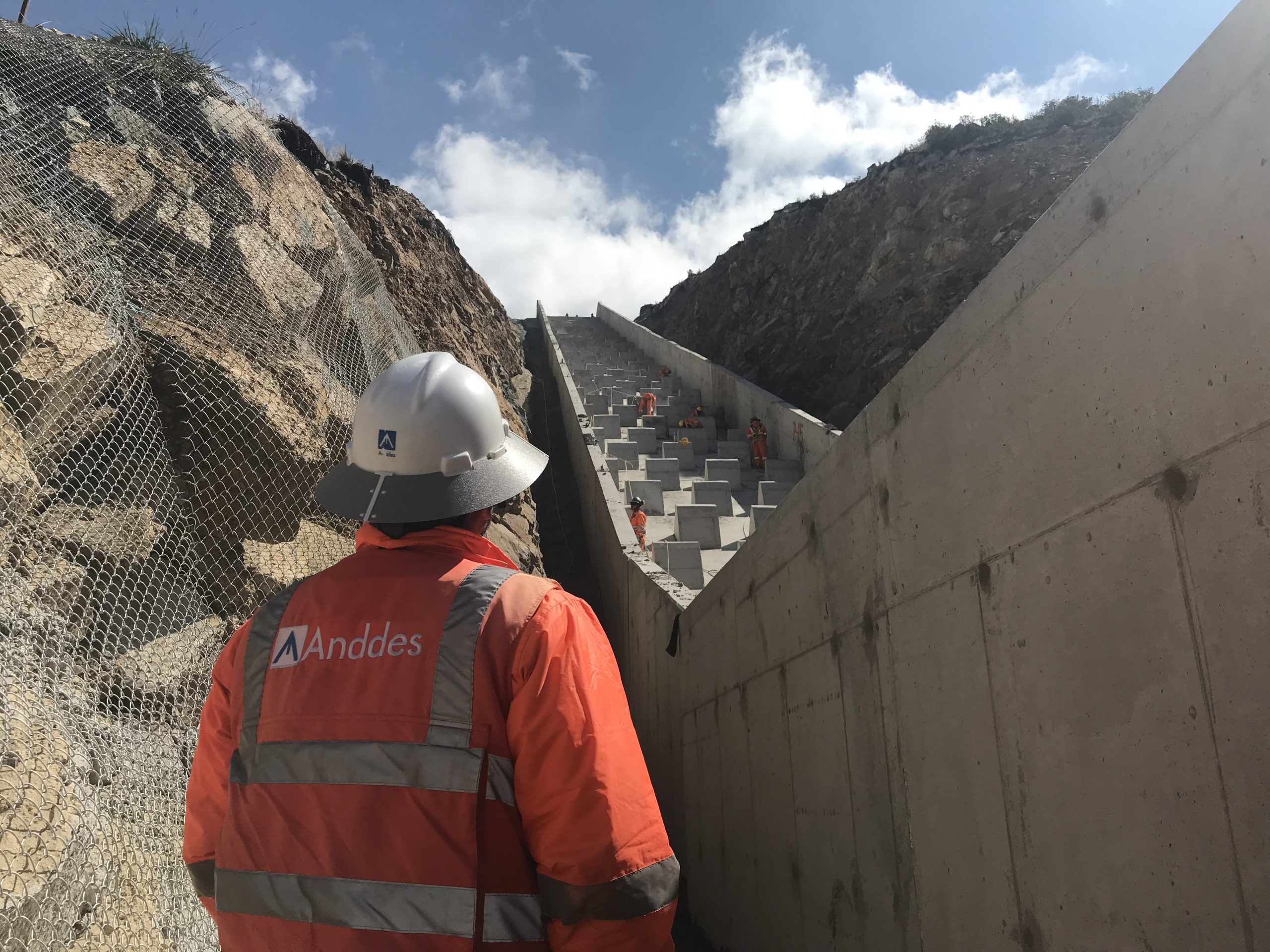
The rapid growth of mining operations in Peru has brought many new challenges to the already difficult task of designing, constructing, and operating heap leach pads in the aggressive terrain of the Andes. Consultants generally deal with sensitive issues such as specific construction techniques, complex terrain geometry, high seismic activity, and limited suitable locations. This article presents a case study of a heap leach pad designed on an existing mine waste dump, which in turn was built on a heterogeneous and complex deposit of soft alluvial and residual clay soils. Among other geotechnical issues, it was necessary to evaluate the short-term stability of both structures, as well as determine the settlements due to the consolidation of the foundation soils and the deformation of the mine waste, which threatened the overall stability and operation of the leach pad. Using a large set of geotechnical information, several cross-sectional finite element staged construction analyses were conducted to estimate consolidation times and settlements. This assessment led to a detailed construction schedule to allow for pore pressure dissipation and the use of counter berms for the early stages of construction, and to include pre-cambering to ensure both stability and optimal operating conditions, given the settlement of mine waste and its influence on the lining system. The analysis and design showed the importance of assessing both short-term stability and soil deformation. Furthermore, the construction schedule of both structures, which ensured their short-term stability, highlighted the importance of planning and coordination between designers and mine operators.