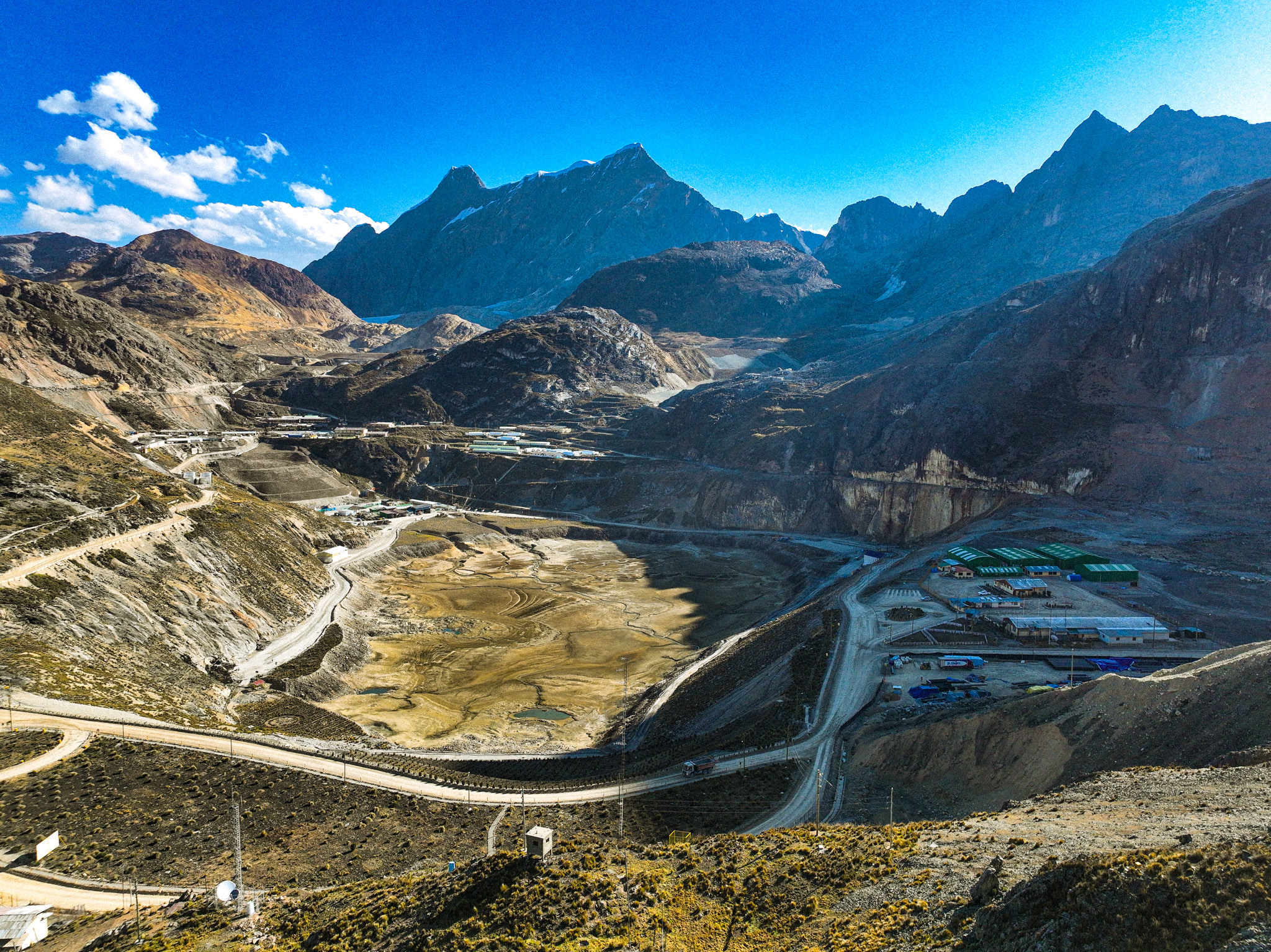
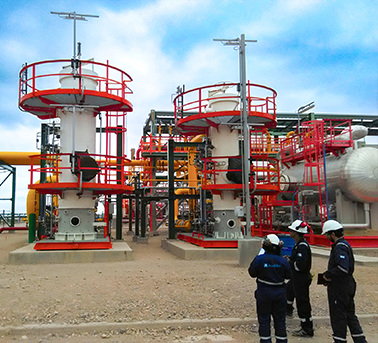

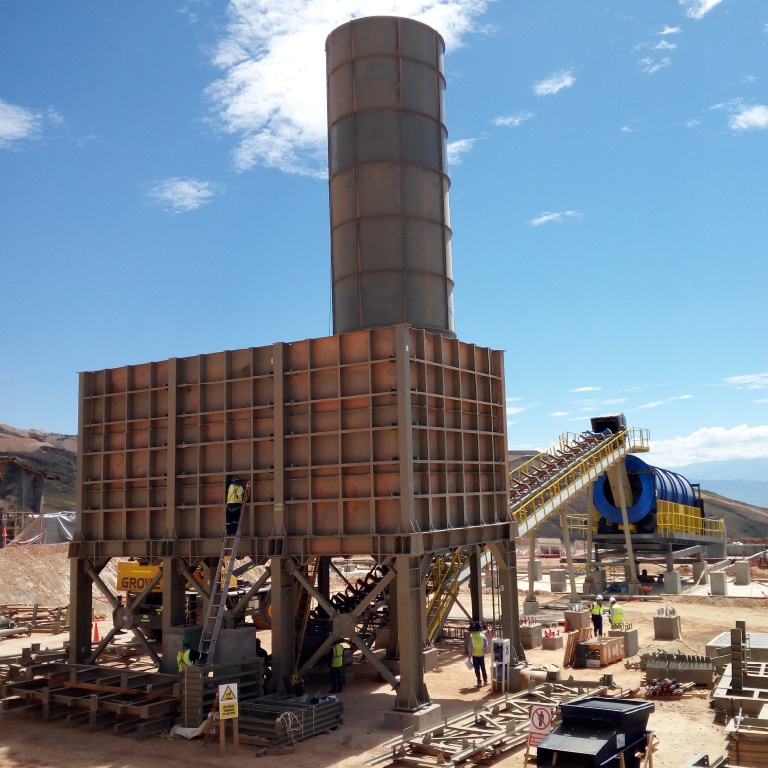
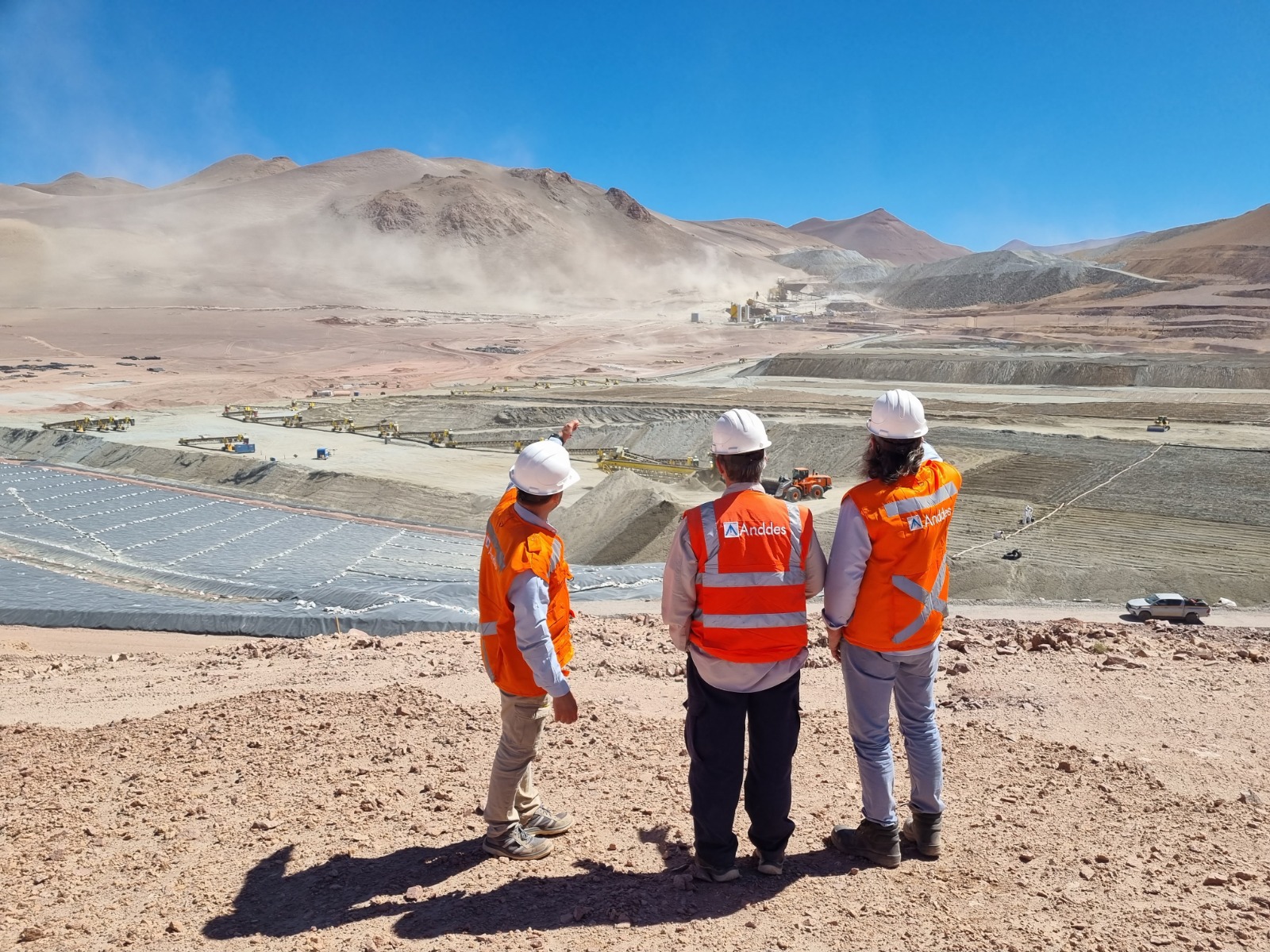
The common practice of dry stacking or disposal of filtered tailings includes stacking, spreading, aeration to reduce moisture from the filtration plant, and compaction with smooth vibratory rollers, all with the aim of obtaining a material with dilatant behavior, adequate resistance, and very low liquefaction potential, thus contributing to the stability of the facility without the need for large containment dams. However, these processes involve significant operating costs for the disposal of filtered tailings, which is one of the main restrictions for the use of this technology. This work focuses on analyzing the static behavior of a filtered tailings storage facility, which will be built dividing it into two zones: (1) a structural zone made up of compacted tailings to guarantee the general stability of the facility; and (2) a non-structural zone made up of filtered tailings arranged as received, that is, without compaction. The inherent risk of this solution is that the relatively low initial degree of saturation of the uncompacted tailings in loose conditions can increase under the static loads of the tailings disposal until reaching saturation, making them susceptible to static or seismic liquefaction. The geotechnical parameters of the foundation soils and filtered tailings were estimated from field and laboratory geotechnical investigations. The operation of disposing of the tailings was simulated by numerical modeling with Sigma/W, in which the uncompacted filtered tailings were analyzed using the NorSand model. The simulation results indicated that it is possible to dispose of filtered tailings without compaction, thus reducing operating costs, but this requires decreasing the moisture content of these materials at least to the optimum to prevent liquefaction and guarantee the general stability of the facility.