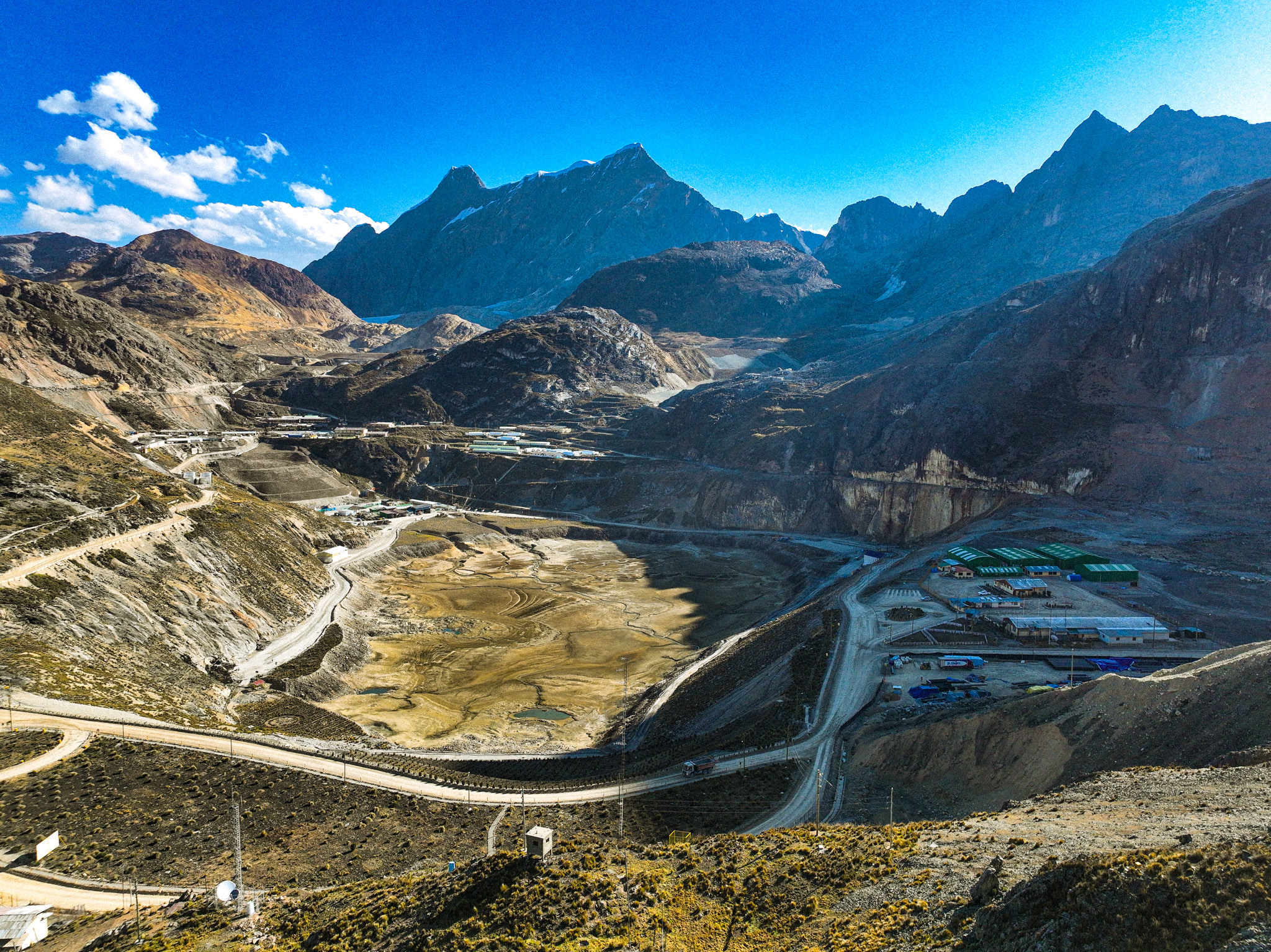
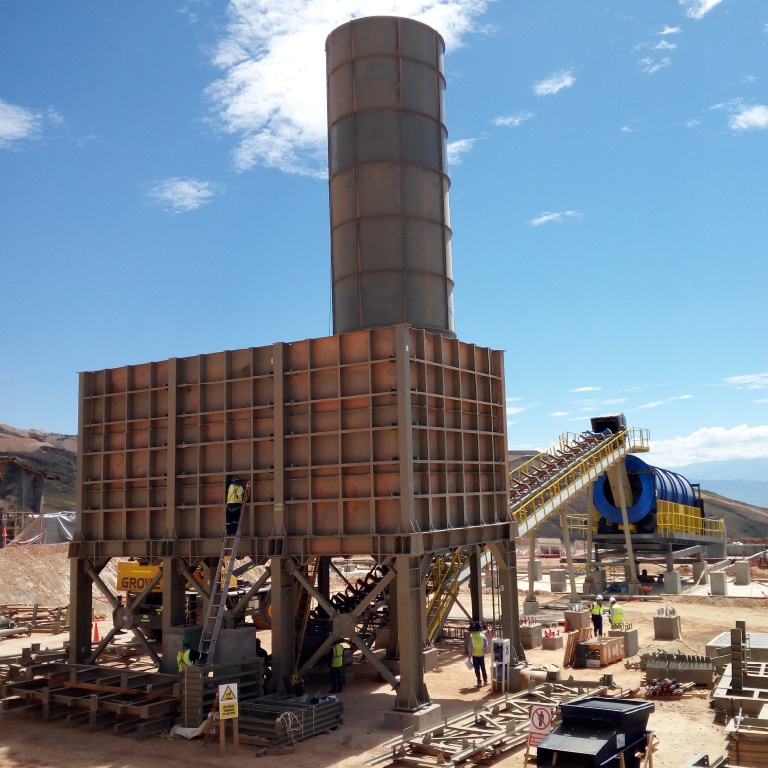
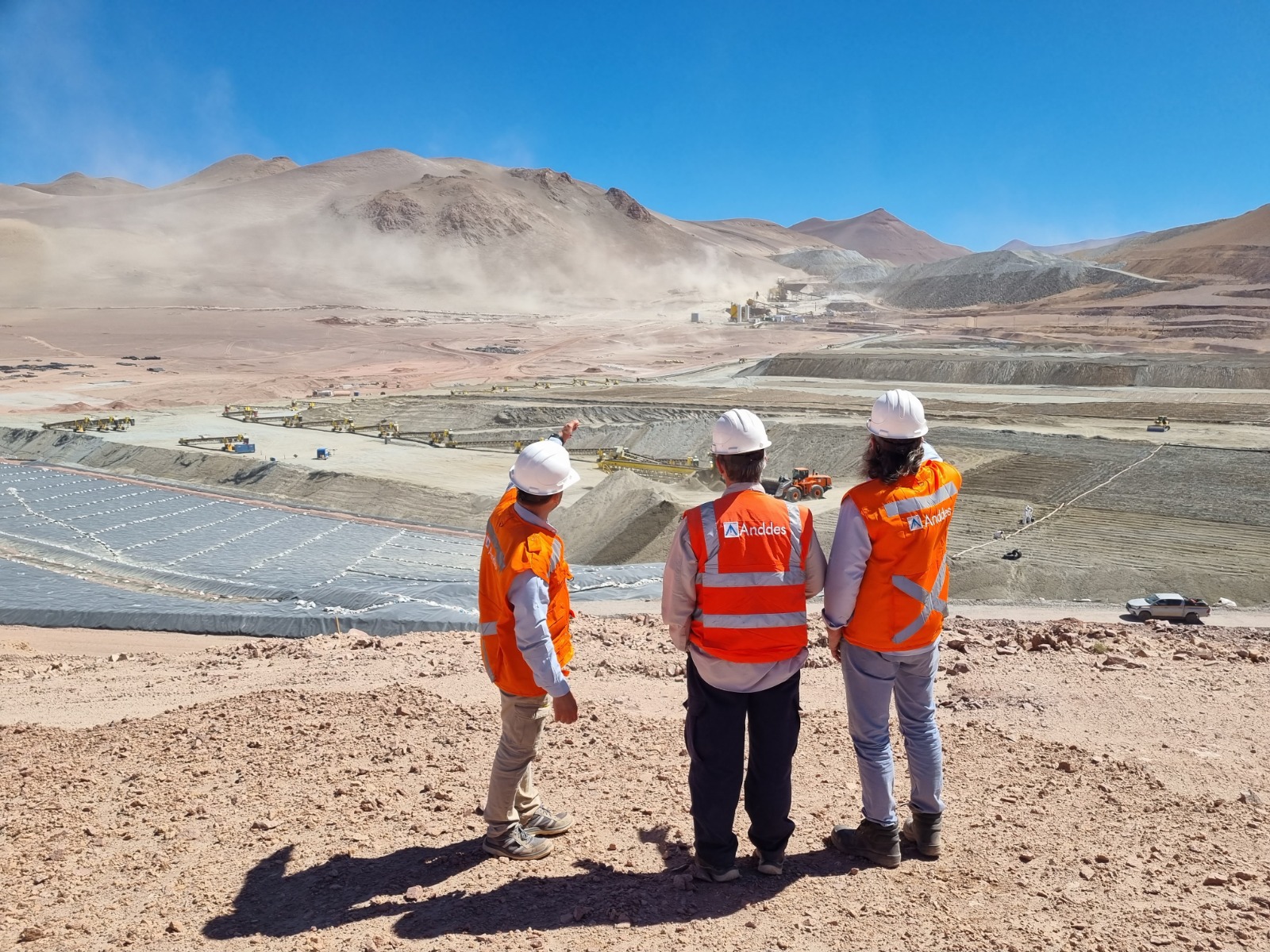
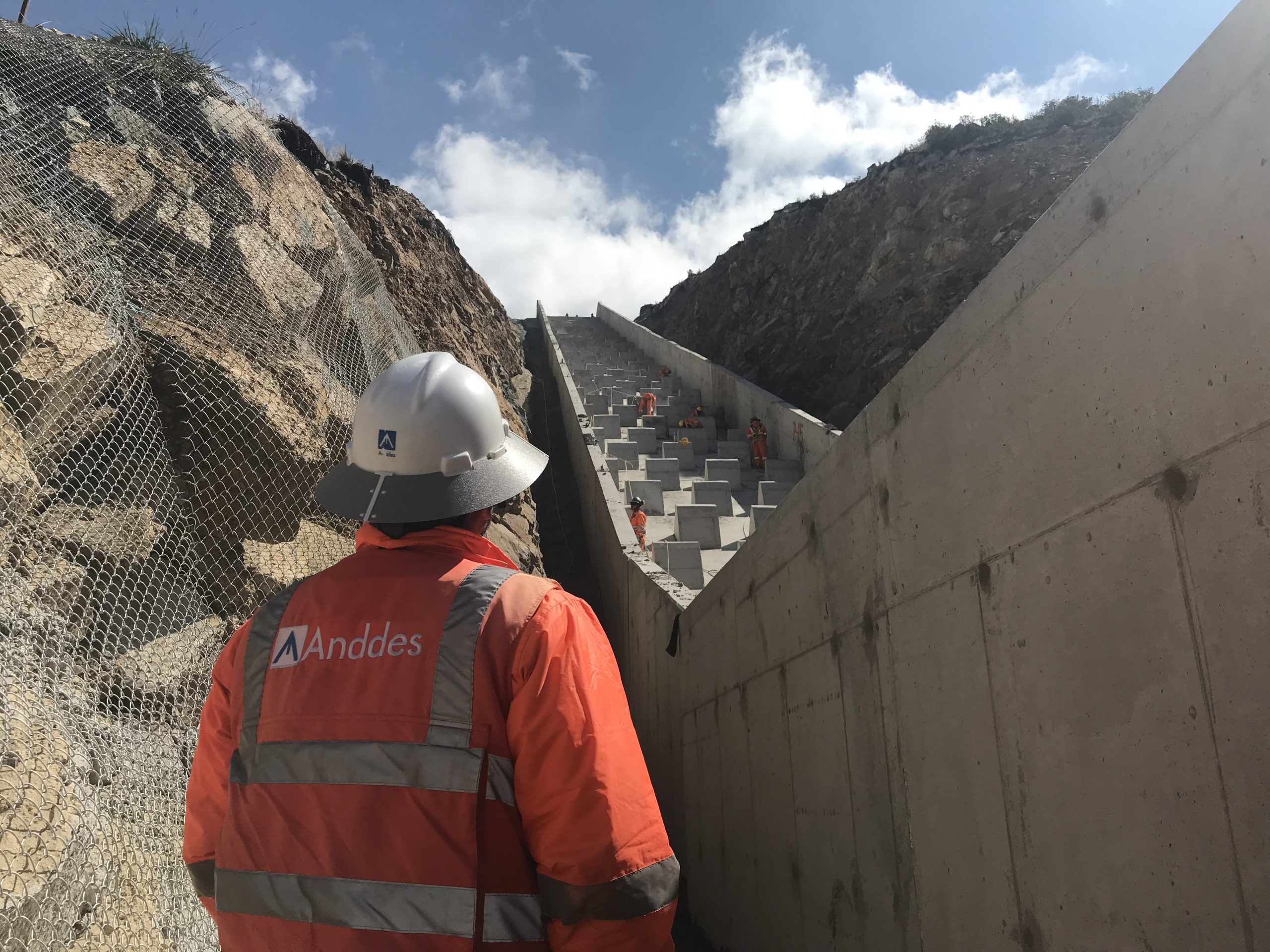
Most mining operations or projects in Peru are located along the Andes, characterized by their aggressive topographic conditions, which represents a challenging environment for the design of mining facilities, including filtered tailings dams, especially due to heavy rainfall, which significantly complicates the filtered tailings disposal process, making it necessary to consider certain technical and operational aspects during the design process.
Filtered tailings disposal is a relatively new technique that optimizes water use to reduce water losses, decrease the risk of facility failure, and minimize the disposal area. The reduction in the risk of failure is due to the fact that the water content is low enough and the tailings are placed compacted, preventing the accumulation of excessive pore pressures. However, a filtered tailings project involves relatively high capital costs (mainly the costs of the filtration plant) and operating costs, requiring proper stormwater management and strict control of tailings disposal. These costs are offset by water saving considerations. Cost considerations, combined with the complexity associated with filtered tailings operation, are evidenced by the fact that there are few mining projects with filtered tailings disposal in the world in high rainfall areas, where water saving is of lower priority, from which we can learn and extract important experiences.
This article aims to discuss water management and the technical and operational considerations for the design of filtered tailings dams in humid climate conditions, based on experiences in the development of this type of project in some mining companies in Peru.