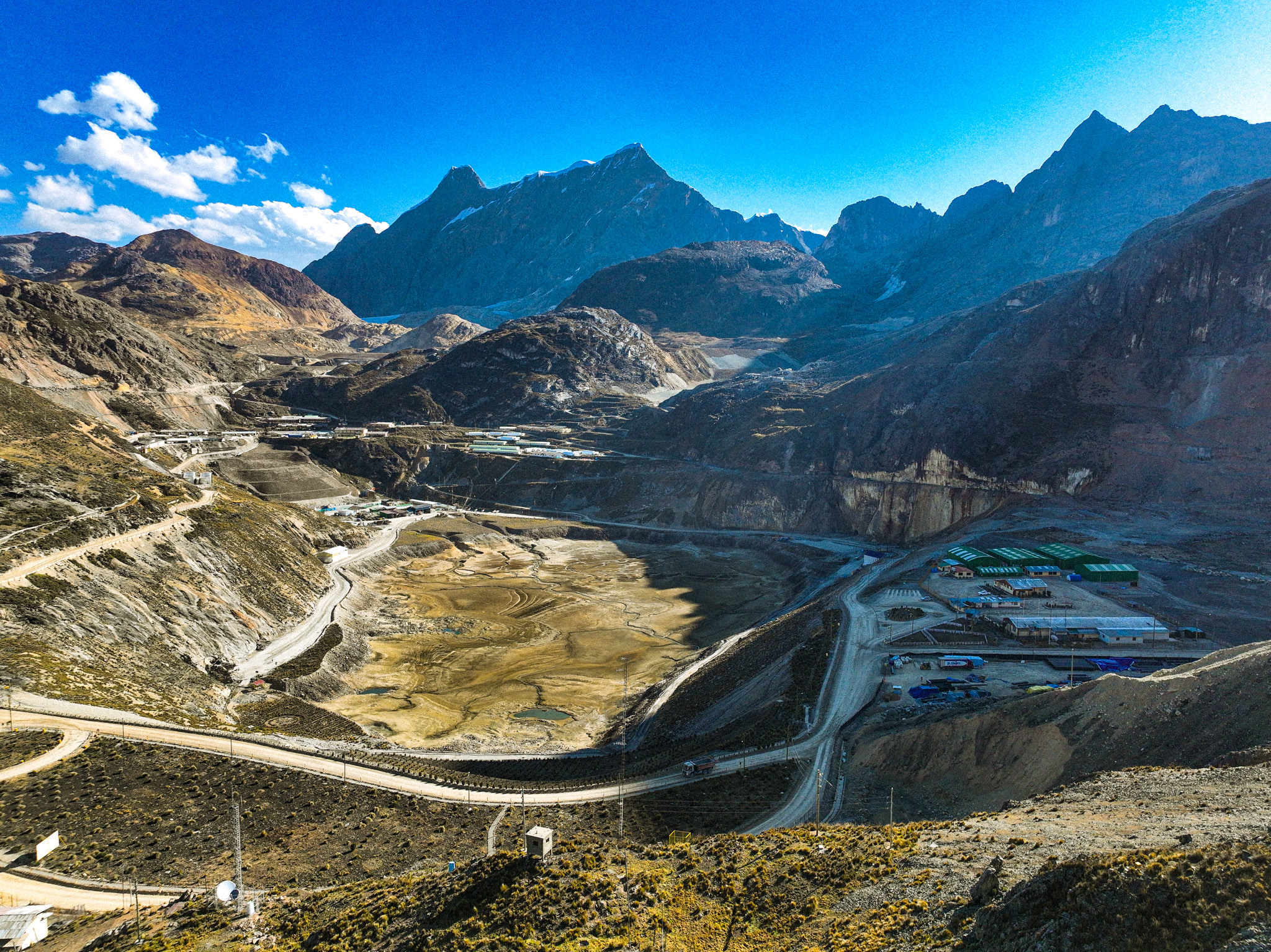
The operation of tailing storage facilities (TSF) implies a potential risk for people and infrastructure located downstream, which may include loss of human lives, floods, damage to buildings such as homes, bridges and agricultural land, as well as the contamination of water sources. Consequently, it is necessary (or mandatory in some countries) to perform a dam breach analysis of a TSF in order to assess the magnitude of the flood wave and the volume of tailings released, thus defining the appropriate remediation measures. In addition, the results of the dam breach analysis can be used to define the classification of the dam according to the guidelines of the Canadian Dam Association. However, it is important to mention that most guidelines and codes for dam breach analysis are oriented to water dams; however, there are few technical reports or methodologies available for TSF.
The objective of this article is to discuss the technical considerations taken into account when performing a dam breach analysis of a TSF, based on practical experience developing simulations for various case studies in Peru. There are two important aspects to understanding a dam breach analysis in a TSF: the generation of hydrographs due to tailings failure and the routing of the flow to identify the times, depths, and velocities of flooding through natural channels and valleys. To determine which failure mode produces the most critical hydrograph, scenarios such as seismic events, extreme weather conditions, poor tailings management, vandalism, among others, were evaluated according to the characteristics of the study area. In addition, the flow should be modeled as a non-Newtonian fluid using the physical, chemical, and rheological properties of the tailings. Finally, the results of the dam breach analysis for the case studies will be presented.