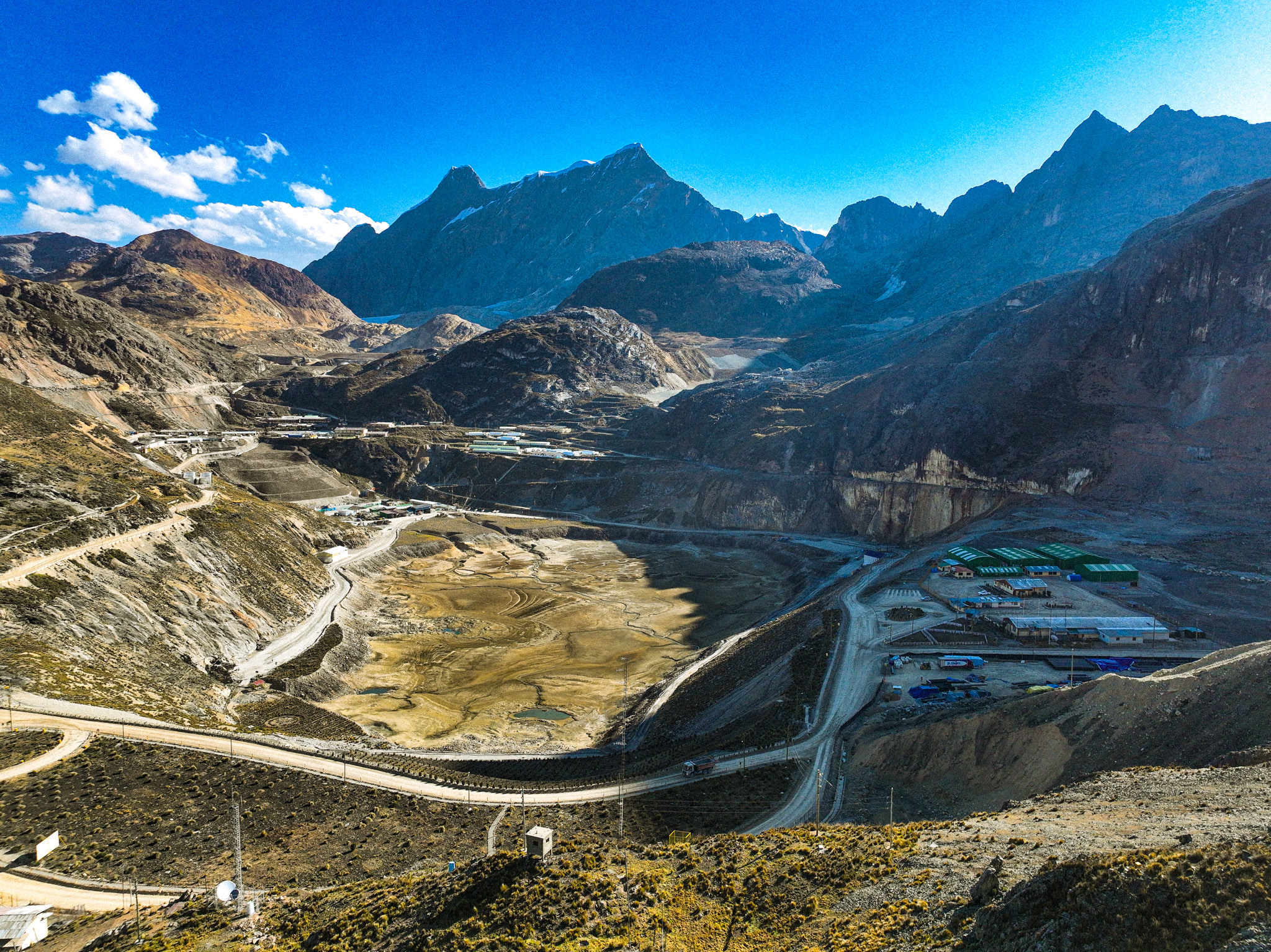

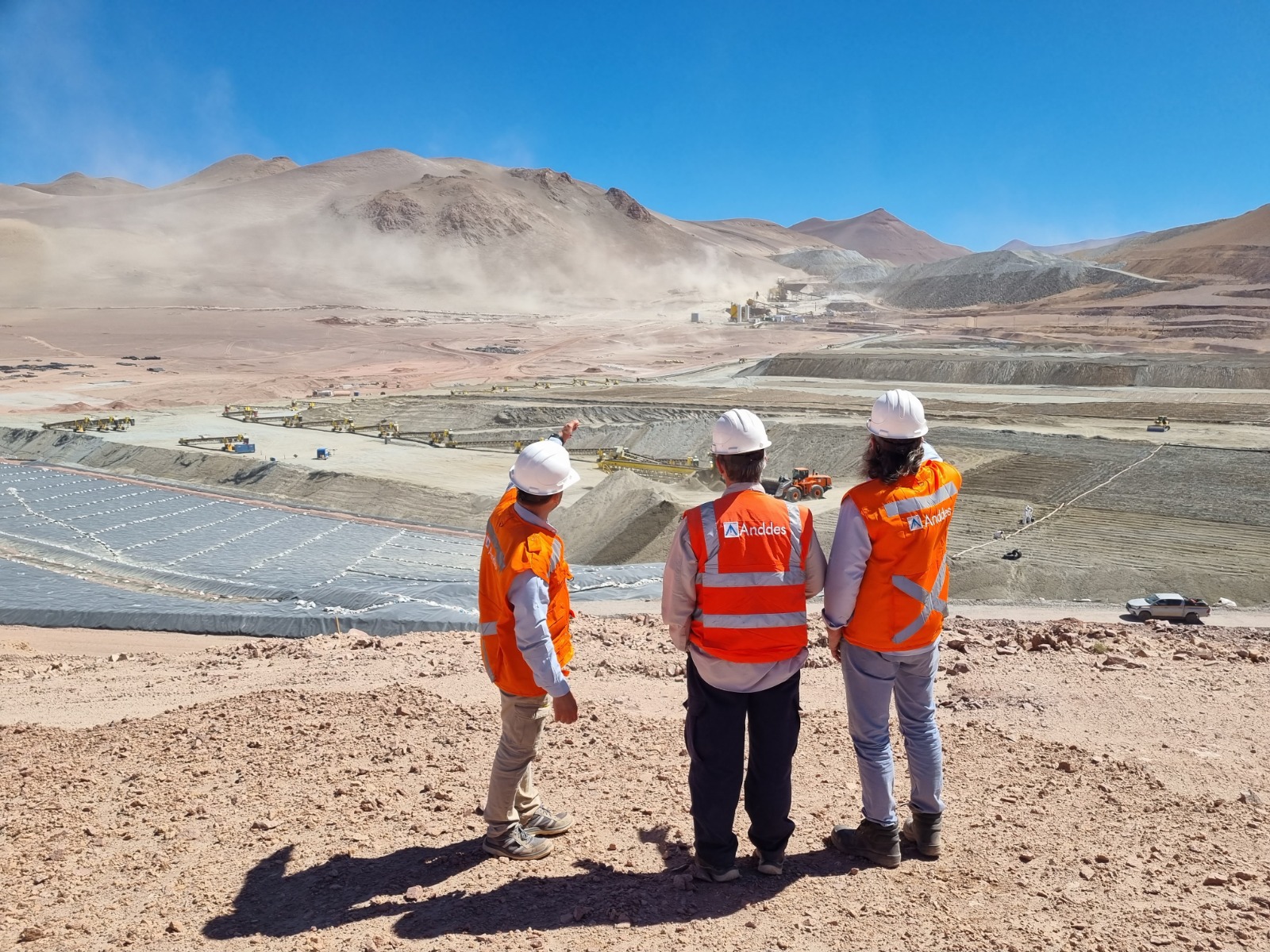
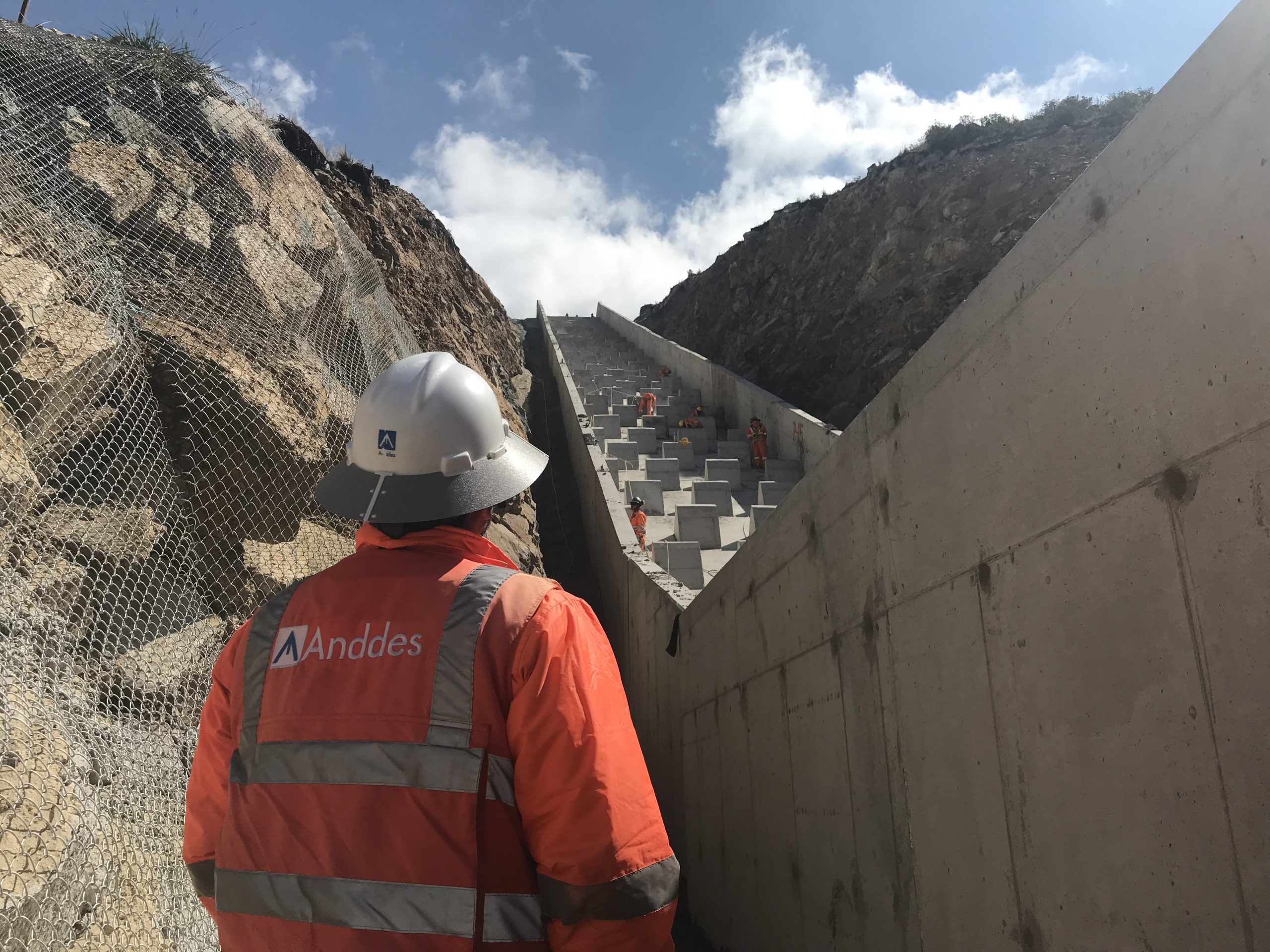
The rapid growth of mining operations in Peru has brought with it many new challenges for the already complex tasks of designing, building, and operating heap leach pads in the aggressive Andean terrain. Consultants often face sensitive issues such as specific construction techniques, complex terrain geometry, limited suitable locations, and – perhaps the most important challenge – high seismic activity.
This article presents a case study of a heap leach pad designed on an existing mine waste dump, which in turn was built on a heterogeneous and complex deposit of soft, clayey soils of alluvial and residual origin. Among other geotechnical aspects, it was necessary to evaluate the long-term stability of both structures. Given the geological and geometric complexity of the design, and using an extensive set of geotechnical investigations and laboratory tests, a detailed one-dimensional and non-linear seismic response analysis of the site was carried out. The seismic response spectra obtained at the base of the mine waste dump and the heap leach pad were used to determine the seismic coefficients and calculate the permanent displacements induced by earthquakes for rotational, composite, and translational failure mechanisms. This evaluation allowed a detailed determination of the seismic coefficients and the permanent displacements induced by earthquakes in different foundation conditions, highlighting their importance. In addition, the need to explore the dynamic properties of both the mine waste and the leached ore was determined.