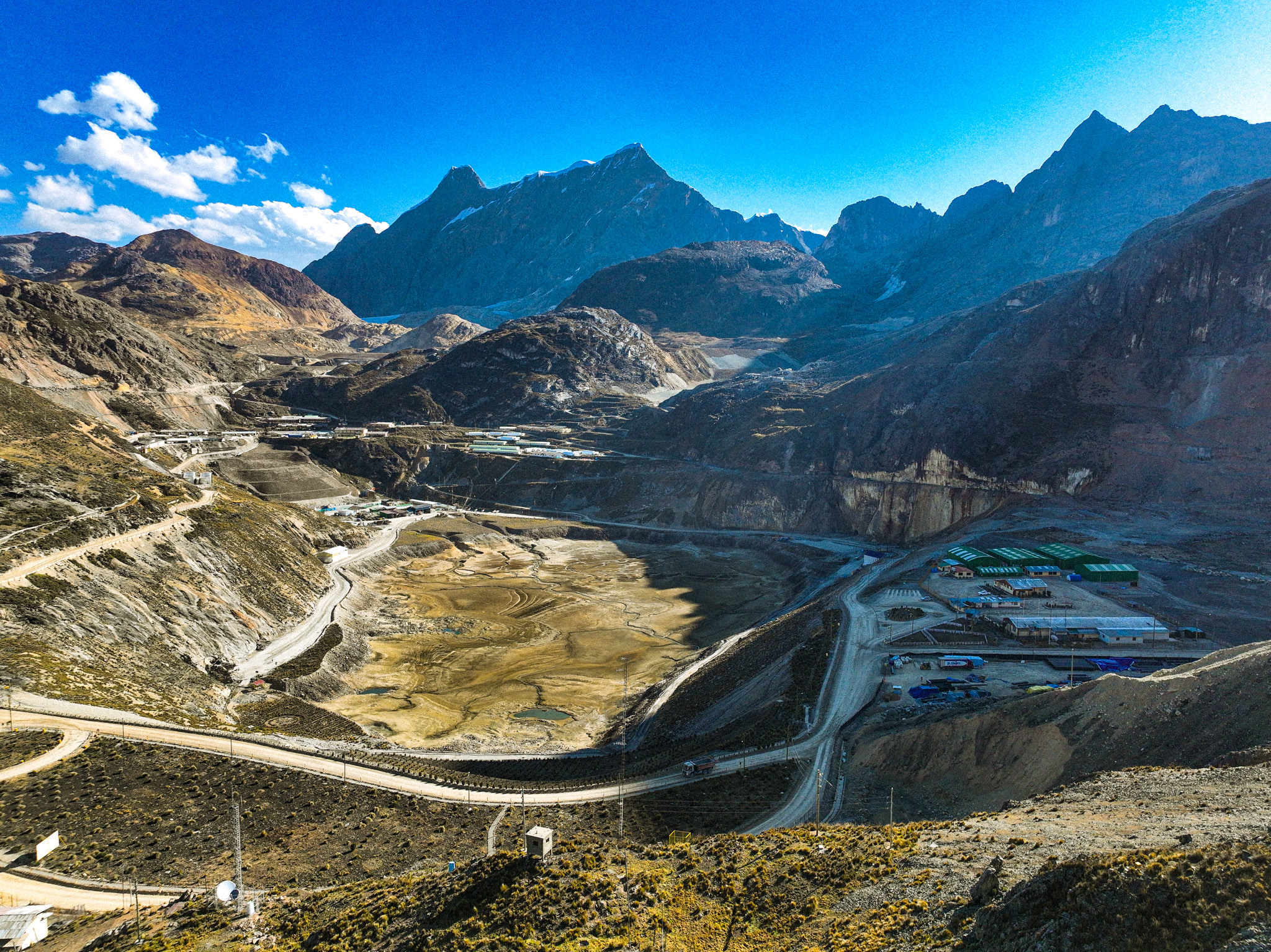
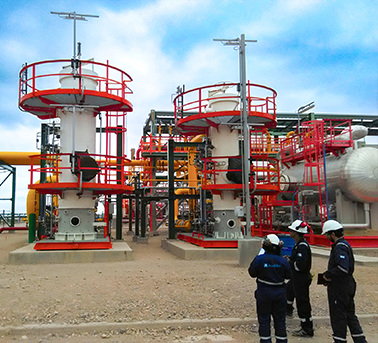
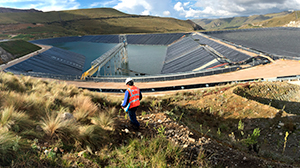
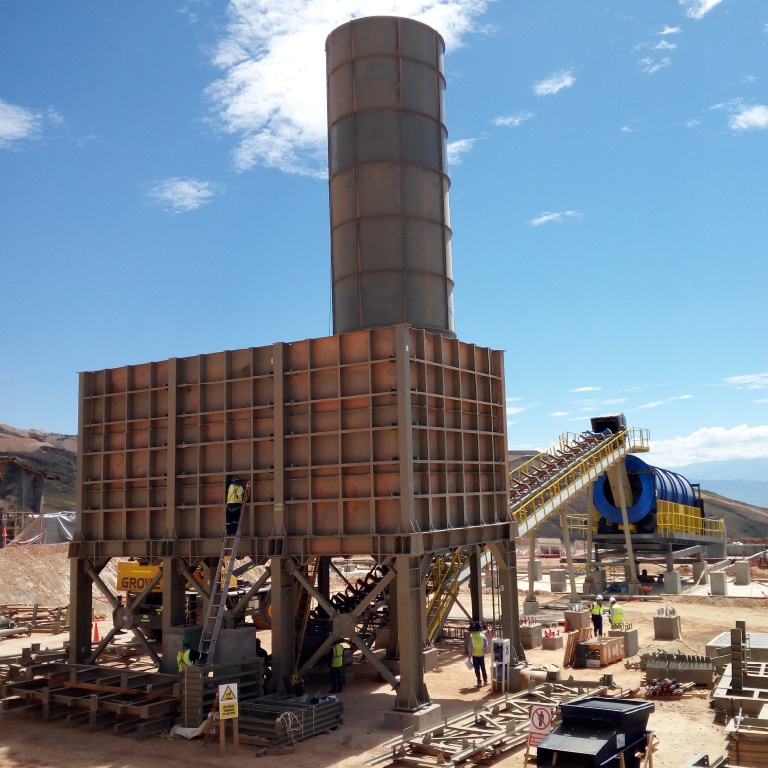
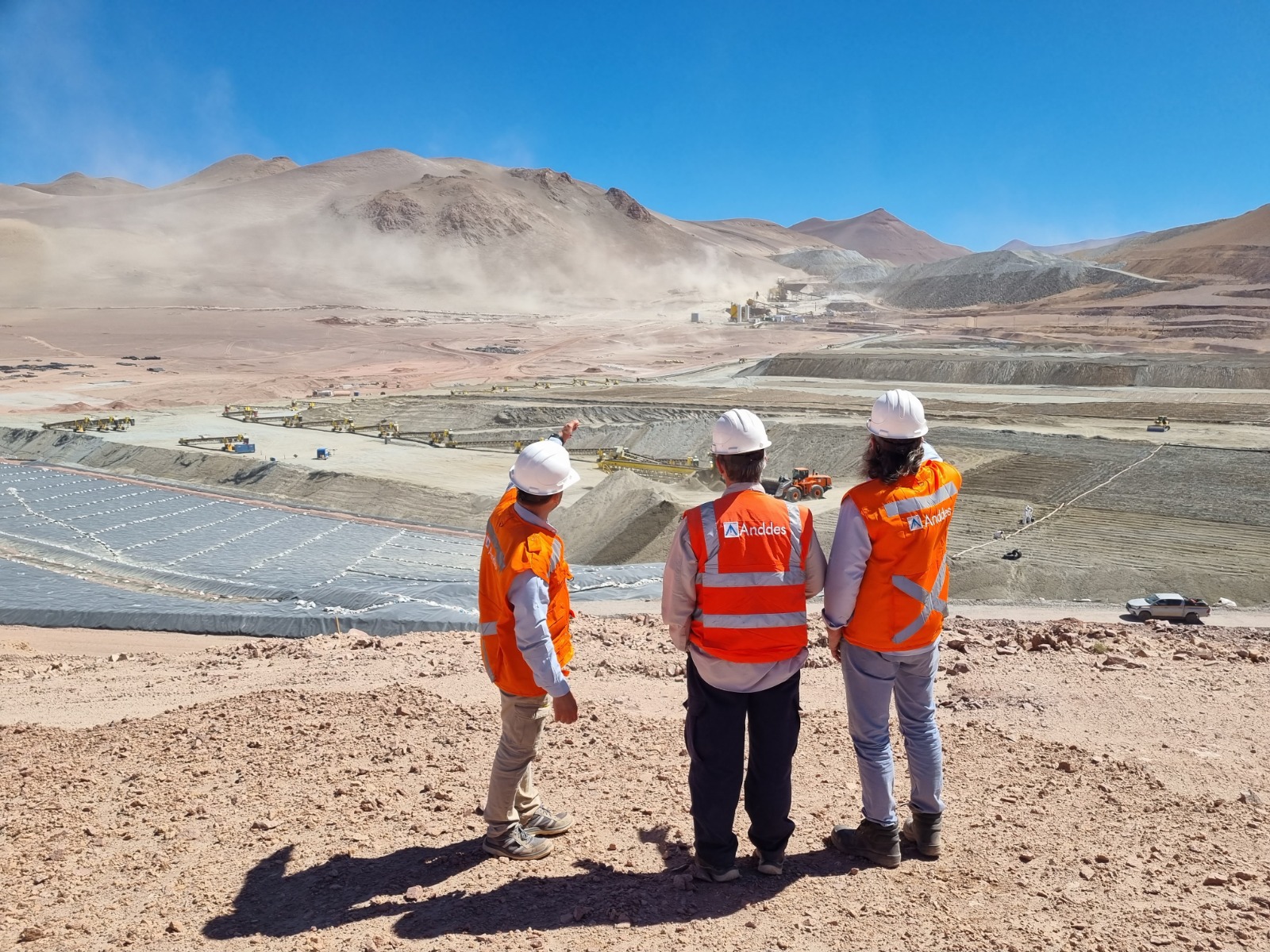
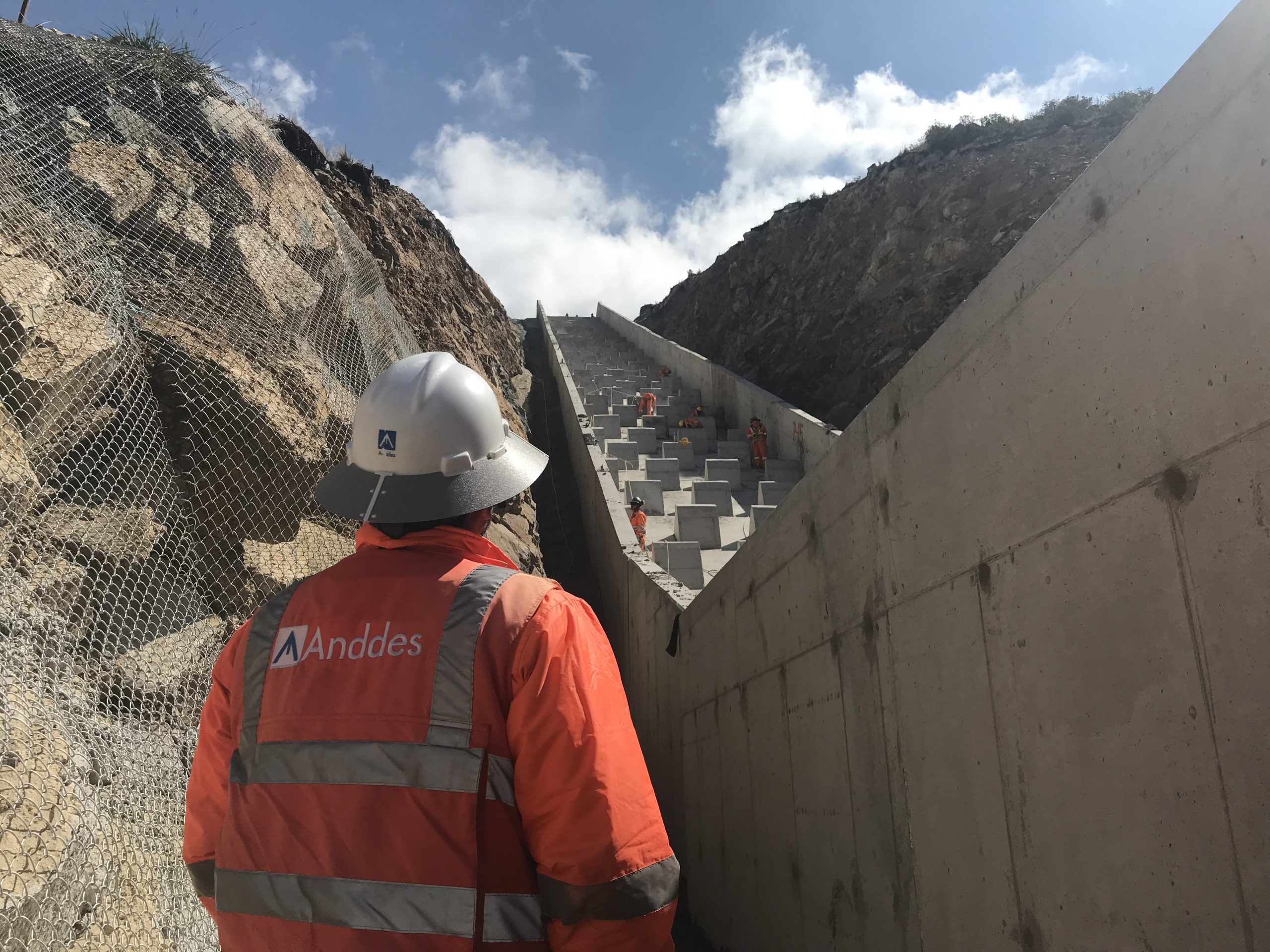
Since BIM methodology has been primarily implemented in the construction industry, certain areas such as surface mining have been neglected. Mining projects are usually large-scale and often located in rugged terrain; consequently, critical activities included in the construction schedule can have a high impact in terms of risk and cost.
The objective of this research is to implement BIM in a mining project for collaborative work through 3D, 4D, and 5D modeling, in order to ensure the adoption of best work practices in project planning, improve constructability, and reduce risks, as well as achieve adequate cost control during project development. Regarding planning, a detailed description of the division of activities is provided to ensure continuous operation and the sectorization of the project, considering the rugged topography of the area. The working method for project modeling is also explained, and the problems encountered in this stage are presented. Based on the results, significant benefits were achieved through the use of 5D modeling, including better visualization of the design, which allowed ensuring adequate constructability and effective cost control.